- Home
- »
- Beauty & Personal Care
- »
-
U.S. Skin Care Products Market Size, Industry Report, 2033GVR Report cover
![U.S. Skin Care Products Market Size, Share & Trends Report]()
U.S. Skin Care Products Market (2026 - 2033) Size, Share & Trends Analysis Report By Product (Face Skin Care, Body Skin Care), By Form, By Gender (Men, Women), By Concern, By Age group (Teenagers, Young Adults, Adults, Mature adults), By Distribution Channel, And Segment Forecasts
- Report ID: GVR-4-68040-204-4
- Number of Report Pages: 110
- Format: PDF
- Historical Range: 2021 - 2025
- Forecast Period: 2026 - 2033
- Industry: Consumer Goods
- Report Summary
- Table of Contents
- Segmentation
- Methodology
- Download FREE Sample
-
 Download Sample Report
U.S. Skin Care Products Market Summary
The U.S. skin care products market size was estimated at USD 35.63 billion in 2025 and is projected to reach USD 62.87 billion by 2033, growing at a CAGR of 7.5% from 2026 to 2033. Rising consumer awareness regarding ingredient transparency and product safety is significantly influencing purchasing behavior in the U.S. skin care products industry.
Key Market Trends & Insights
- By product, lotions face creams & moisturizers accounted for a market share of 44.9% in 2025.
- By form, emulsified skin care products accounted for a market share of 38.6% in 2025.
- By price tier, mass/economy skin care products accounted for a market share of 48.6% in 2025.
- By gender, skin care products for women accounted for a market share of 66.1% in 2025.
- By concern, skin care products for anti-aging & wrinkle reduction accounted for a market share of 34.0% in 2025.
- By age group, skin care products for adults accounted for a market share of 38.2% in 2025.
- By distribution channel, sales through hypermarkets & supermarkets accounted for a market share of 34.1% in 2025.
Market Size & Forecast
- 2025 Market Size: USD 35.63 Billion
- 2033 Projected Market Size: USD 62.87 Billion
- CAGR (2026-2033): 7.5%
Consumers are increasingly scrutinizing product formulations and seeking skincare products that contain recognizable and clinically supported ingredients while avoiding harsh chemicals. According to an article published by Happi in March 2024, ingredient awareness among skincare consumers has increased substantially, with a growing share of buyers actively reviewing ingredient labels and seeking brands that clearly communicate sourcing, formulation processes, and safety standards. The same analysis notes that a majority of skincare consumers now associate ingredient transparency with product effectiveness and trust, encouraging manufacturers to reformulate products with cleaner ingredient lists and emphasize transparency in marketing and packaging. This growing focus on ingredient clarity and safety standards is increasingly influencing the broader skin care industry and shaping purchasing patterns within the facial care market, while also strengthening consumer interest in innovative formulations such as Korean skin care products in the USA, which are widely recognized for ingredient transparency and advanced skincare technologies.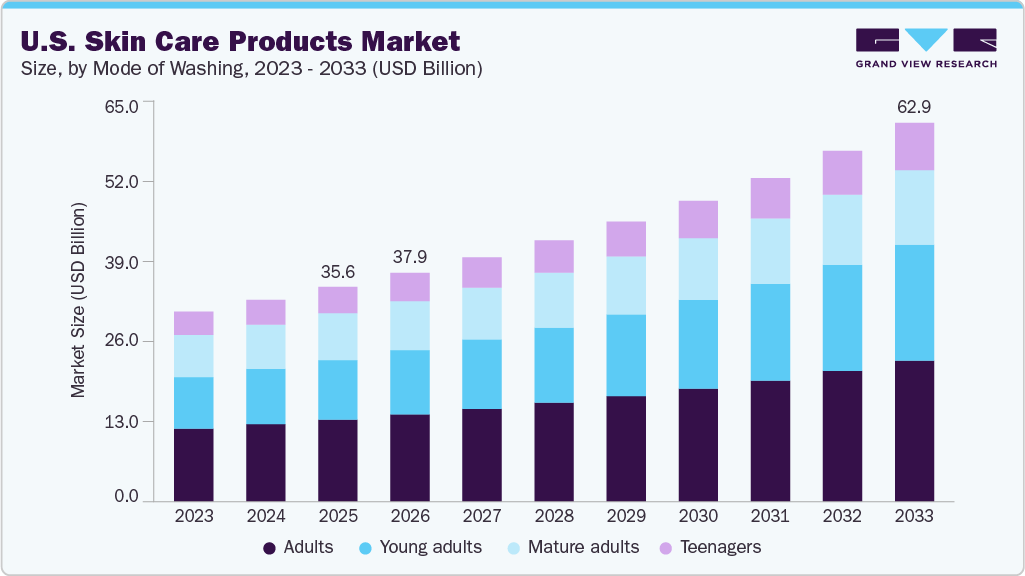
Consumer knowledge regarding beauty and wellness ingredients continues to expand across the broader personal care ecosystem. According to a survey released by PR Newswire in July 2024, approximately 72% of consumers report that ingredient awareness across beauty and wellness categories has increased significantly in recent years. The survey also shows that 66% of consumers actively try to understand ingredient lists before purchasing beauty products, and 64% believe ingredient transparency directly influences their purchase decisions. These findings indicate that consumers are increasingly evaluating skincare products based on formulation transparency and safety standards, encouraging brands to emphasize clinically validated ingredients and responsible sourcing practices. This shift is influencing product development strategies across the skin care industry and driving stronger innovation in the North America skincare Market, where consumers increasingly evaluate brands based on ingredient quality and safety.
Retail dynamics in the U.S. skin care products industry are also evolving as consumers increasingly rely on digital channels for product discovery and purchasing decisions. Online platforms, beauty retailer websites, and social media channels are playing a growing role in influencing skincare purchases, enabling consumers to compare product reviews, ingredients, and brand positioning before making buying decisions. According to the BeautyMatter Change Up Report published in October 2024, approximately 70% of beauty consumers use digital platforms to discover and research products before purchase, and more than half of beauty shoppers say online product education and expert recommendations influence their skincare purchasing decisions. The report also highlights that consumers increasingly expect brands to provide transparent product information, digital consultations, and personalized skincare recommendations through online channels. These evolving retail patterns are reshaping the facial care market and strengthening the visibility of innovative product segments, including Korean skin care products in the USA, which have gained traction through online beauty communities and digital retail platforms.
Another notable consumer trend shaping the U.S. skin care products market is the growing preference for multifunctional skincare solutions that combine several benefits in a single product. Consumers are increasingly favoring skincare products that deliver multiple benefits, such as hydration, anti-aging, skin barrier repair, and sun protection, within simplified routines. According to the PR Newswire consumer survey published in July 2024, nearly 60% of consumers indicate that they prefer skincare products offering multiple benefits in a single formulation, reflecting the growing demand for time-efficient skincare routines. This preference is encouraging manufacturers to introduce hybrid skincare solutions that combine several active ingredients and dermatological benefits into a single product. Such multifunctional product development is increasingly influencing innovation strategies across the North America skincare Market, while also expanding opportunities for brands operating within the broader skin care industry.
In addition, preventive skincare practices are becoming increasingly popular as consumers focus on maintaining skin health rather than only treating visible skin concerns. Daily sunscreen use, antioxidant serums, and barrier-repair moisturizers are becoming integral components of regular skincare routines. A significant share of skincare consumers are now prioritizing long-term skin health through consistent use of protective and restorative skincare products. This growing emphasis on prevention and ingredient transparency is expected to continue shaping product development strategies and consumer purchasing behavior across the market. The trend is also contributing to sustained growth in the facial care market and reinforcing expansion opportunities within the North America Skincare Market, while further encouraging demand for innovation-driven offerings such as Korean skin care products in the USA.
Brand Market Share Insights
The U.S. skin care products market is characterized by a highly competitive landscape supported by the presence of multinational beauty corporations, dermatology-focused brands, and rapidly growing indie skincare labels. Leading companies maintain strong market positions through extensive product portfolios, advanced research capabilities, and wide distribution networks across drugstores, specialty beauty retailers, dermatology clinics, and e-commerce platforms. Major players such as L'Oréal, Estée Lauder Companies, Procter & Gamble, and Johnson & Johnson dominate several skincare categories, offering products ranging from anti-aging treatments and moisturizers to sunscreens and dermatologist-recommended solutions. These companies continue to invest heavily in clinical research, ingredient innovation, and advanced formulations that address concerns such as aging, acne, hyperpigmentation, and skin sensitivity.
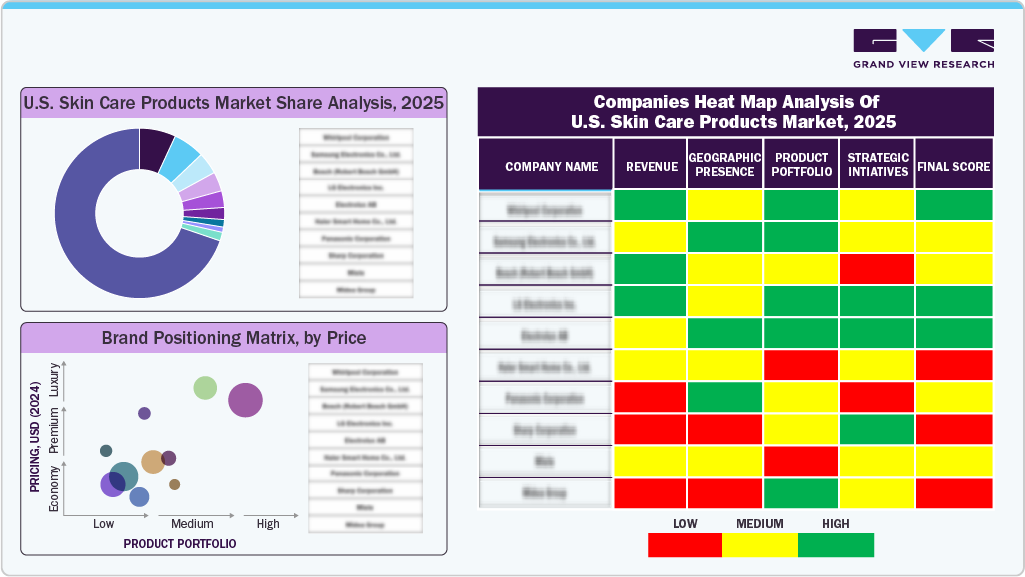
In addition to established corporations, the market is witnessing the rapid emergence of science-led skincare brands and digitally native beauty companies that leverage social media marketing, direct-to-consumer platforms, and ingredient transparency to attract younger consumers, further intensifying competition across the U.S. skin care products industry.
Consumer Insights
Consumer behavior in the U.S. skin care products market is strongly influenced by growing awareness of skin health and the integration of skincare into daily grooming routines. Consumers increasingly follow consistent skincare regimens that include cleansing, moisturizing, and sun protection, while also incorporating targeted treatments such as serums and exfoliants to address specific skin concerns. According to YouGov in the U.S. Skincare Trends Report published in 2025, around 61% of U.S. consumers use facial skincare products every day, highlighting the category’s strong penetration and routine-based consumption. This high level of daily usage supports consistent demand for essential skincare products such as cleansers, moisturizers, and sunscreens, reinforcing the category’s stability across both retail and online channels.
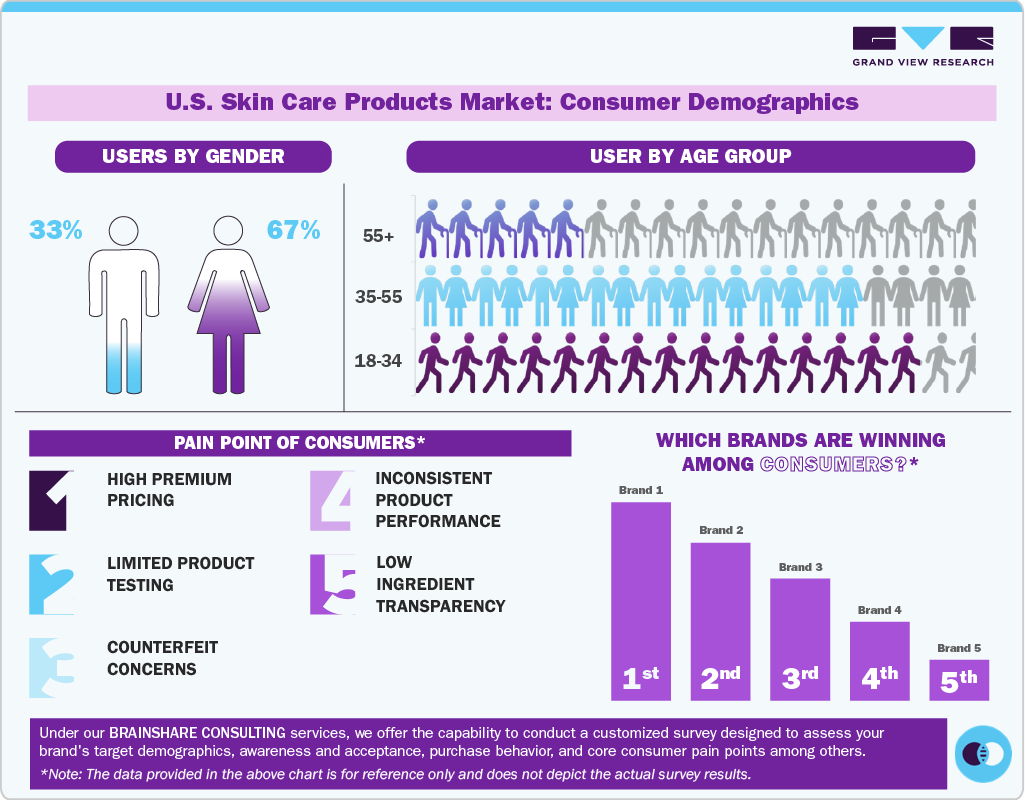
Younger consumers are playing a critical role in shaping evolving skincare habits, particularly through their focus on preventive skincare and long-term skin maintenance. Many younger consumers are adopting skincare routines earlier in life and prioritizing products that support hydration, skin barrier protection, and sun protection. According to Drug Store News in 2024, nearly 70% of Gen Z consumers report using skincare products regularly, demonstrating the growing influence of this demographic on product demand and innovation. These consumers tend to favor gentle formulations, dermatologist-tested ingredients, and simplified routines that deliver visible results while maintaining skin health. Consumer purchasing decisions are also increasingly driven by product education and ingredient transparency. Many skincare buyers actively evaluate ingredient lists and product claims before purchasing, reflecting the growing importance of informed beauty consumption. Digital platforms, online reviews, and social media content often help consumers understand ingredient benefits and compare product performance.
Product Insights
The face skin care products segment led the U.S. skin care products industry, accounting for a share of 70.7% in 2025, supported by the widespread adoption of daily facial cleansing and treatment routines among consumers. Products such as facial cleansers, serums, toners, and sunscreens are commonly used as part of multi-step skincare regimens designed to maintain skin health and improve appearance. The segment is also driven by increasing consumer demand for targeted facial treatments that address concerns such as acne, hyperpigmentation, uneven skin tone, and signs of aging. In addition, manufacturers continue to introduce innovative formulations featuring active ingredients such as retinol, vitamin C, niacinamide, and exfoliating acids that provide specific skin benefits. The strong presence of dermatology-backed brands, premium skincare collections, and specialized facial treatment products across beauty retailers and online platforms further supports the dominant position of face skin care products in the U.S. market.
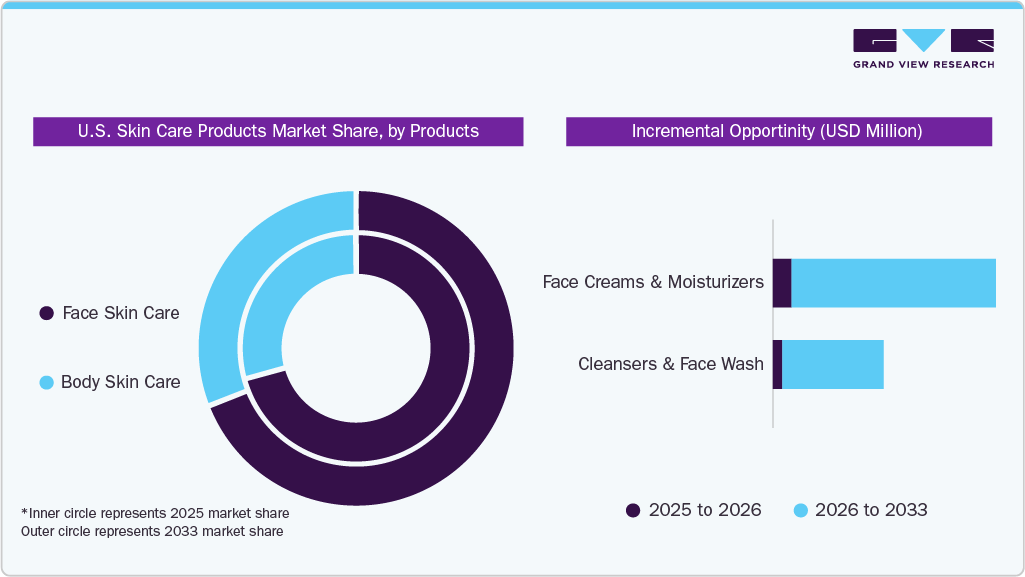
Demand for body skin care products is expected to rise at a CAGR of 8.1% from 2026 to 2033, supported by the growing consumer focus on overall skin hydration and body care as part of daily personal grooming routines. Products such as body lotions, creams, body oils, and exfoliating scrubs are increasingly used to maintain skin softness, improve texture, and prevent dryness caused by environmental factors and seasonal weather changes. The segment is also benefiting from the rising popularity of body care routines that extend beyond basic cleansing, as consumers incorporate moisturizing and skin-repair products into their regular skincare regimens. In addition, manufacturers are introducing advanced body care formulations enriched with ingredients such as shea butter, ceramides, vitamin E, and botanical extracts designed to nourish and protect the skin. The growing availability of premium body care products and dermatologist-recommended formulations across beauty retailers and online platforms further supports the rising demand for body skin care products in the U.S. market.
Form Insights
Emulsified skin care products accounted for a market share of 38.59% in 2025, supported by the growing demand for multifunctional skincare products that combine hydration, treatment, and protection in a single formulation. Emulsified products such as creams and lotions allow manufacturers to incorporate active ingredients, including retinol, niacinamide, and vitamin C, while maintaining a stable and easy-to-apply texture. The segment is also driven by increasing consumer preference for skincare products that spread evenly across the skin and provide longer-lasting moisturization compared to gel or water-based formulations. In addition, premium skincare brands are introducing advanced cream-based products designed for specific skin concerns such as barrier repair, overnight skin renewal, and deep nourishment, further supporting the growth of emulsified skincare products in the U.S. market.
Demand for aqueous skin care products is expected to grow at a CAGR of 8.7% from 2026 to 2033, driven by the rising popularity of multi-step skincare routines that incorporate hydrating toners, facial essences, and water-based serums. These products are commonly used as the initial stages of skincare regimens to help balance skin moisture levels and enhance the absorption of subsequent treatment products. The segment is also driven by rising consumer interest in skincare routines influenced by global beauty trends that emphasize hydration-focused formulations. In addition, aqueous skincare products are often preferred during warmer seasons due to their light texture and cooling properties, which encourage consumers to adopt them as part of daily skincare maintenance.
Price Tier Insights
Mass/economy skin care products accounted for a market share of 48.63% in 2025. Many consumers prefer mass-market skincare products because they offer accessible solutions for everyday concerns such as dryness, acne, and sun protection without requiring a high price tag. The segment is also supported by the presence of well-known consumer brands that offer a broad range of cleansers, moisturizers, and treatment products designed for different skin types. In addition, manufacturers in the mass segment frequently introduce new formulations and product lines that incorporate popular skincare ingredients while maintaining competitive price points, encouraging repeat purchases among a large consumer base in the U.S.
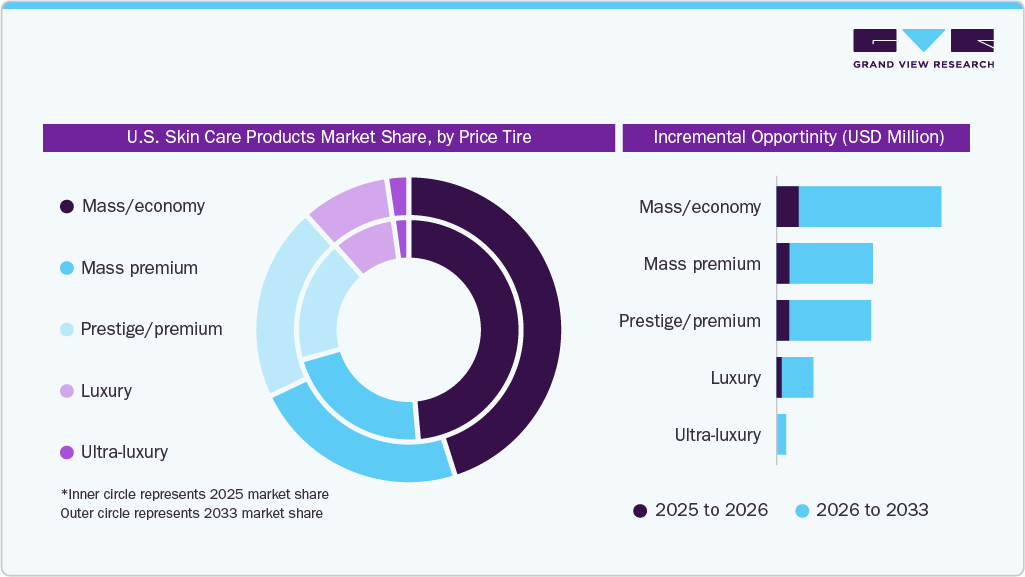
Demand for prestige/premium skin care products is expected to grow at a CAGR of 8.7% from 2026 to 2033,driven by the increasing consumer focus on high-efficacy skincare products that deliver visible and long-term results. Many consumers are shifting toward premium products with higher concentrations of active ingredients and advanced formulations designed to address specific skin concerns, such as aging, uneven skin tone, and skin barrier repair. The segment is also supported by rising disposable incomes among urban consumers who are more willing to spend on luxury personal care products as part of self-care and wellness routines. In addition, premium skincare brands often emphasize product exclusivity, superior ingredient sourcing, and sophisticated packaging, which enhances brand perception and encourages consumers to upgrade from mass-market skincare products to higher-value premium offerings.
Gender Insights
Skin care products for women accounted for a market share of 66.14% in 2025, reflecting greater participation by female consumers in preventive and treatment-oriented skincare. Women are more likely to purchase products designed to address specific dermatological concerns, such as fine lines, uneven pigmentation, and loss of skin firmness, thereby increasing the variety and frequency of product use within this segment. The category also benefits from strong product differentiation, with manufacturers offering specialized formulations such as age-specific treatments, dermatologically tested repair creams, and targeted serums designed for different skin conditions. In addition, extensive marketing investments, brand collaborations, and product launches aimed at female consumers continue to expand product visibility and drive sustained demand for women’s skincare products in the U.S. market.
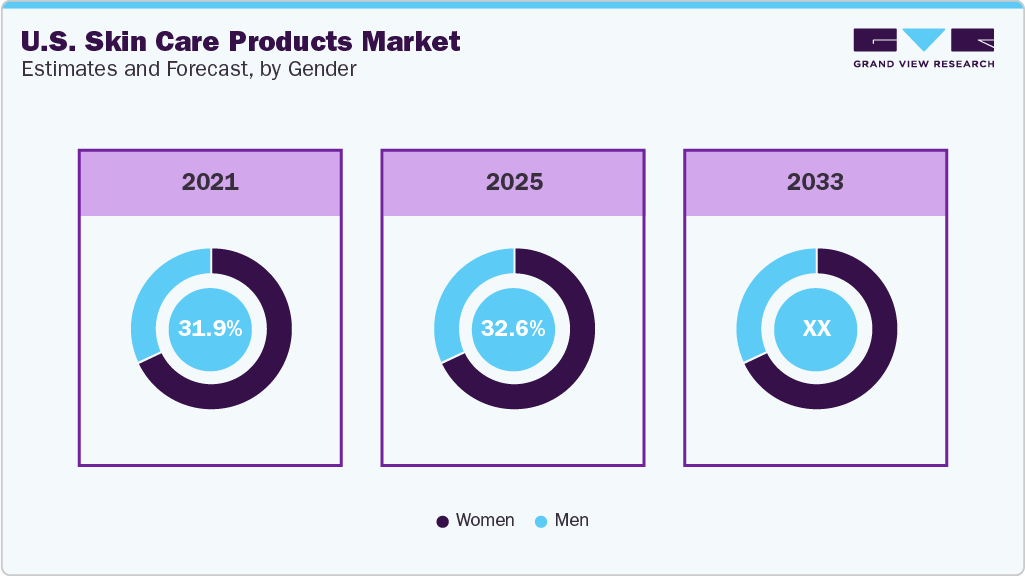
Demand for skin care products for men is expected to grow at a CAGR of 7.7% from 2026 to 2033, supported by the growing normalization of grooming and skincare routines among male consumers. According to insights published by the U.S. Chamber of Commerce, around 66% of men now report using at least one skincare product regularly, reflecting a clear shift in consumer behavior toward personal care and skin maintenance. The segment is also gaining momentum as brands increasingly develop skincare lines formulated specifically for men’s skin characteristics, such as thicker skin texture, higher oil production, and frequent shaving irritation.
Concern Insights
Skin care products used for anti-aging & wrinkle reduction accounted for 34.02% share of the market in 2025, supported by the country's aging demographic profile and the growing demand for products that help maintain skin vitality over time. Consumers in middle-aged and older groups increasingly purchase specialized formulations, such as wrinkle-repair creams, collagen-supporting serums, and skin-firming treatments, to improve skin appearance and texture. The segment also benefits from continuous innovation in cosmetic science, with brands introducing products that incorporate ingredients such as retinoids, peptides, and growth-factor-based complexes aimed at improving skin renewal and elasticity.
Demand for skin care products used for acne & blemish control is expected to grow at a CAGR of 7.6% from 2026 to 2033, supported by increasing consumer awareness of skin health and the rising prevalence of acne-related concerns among both teenagers and adults. Consumers are increasingly incorporating targeted treatments such as salicylic acid cleansers, benzoyl peroxide spot treatments, exfoliating toners, and oil-control serums into their skincare routines to manage breakouts and prevent blemishes. The segment is also gaining traction as preventive skincare becomes more common, particularly among younger consumers who adopt structured skincare routines earlier in life. In addition, growing exposure to skincare education through dermatologists, digital platforms, and social media has encouraged consumers to address acne concerns using specialized products rather than relying solely on basic skincare items.
Age Group Insights
Skin care products for adults accounted for a 38.23% share of the U.S. skin care products market in 2025. Many adults increasingly invest in specialized formulations designed to address visible signs of aging, such as fine lines, loss of elasticity, uneven skin tone, and dryness. Products such as anti-wrinkle creams, collagen-boosting serums, and skin-firming moisturizers are widely adopted as part of daily skincare routines to maintain skin health and appearance over time. The segment is further supported by ongoing advancements in cosmetic science, with manufacturers introducing formulations enriched with ingredients such as retinoids, peptides, hyaluronic acid, and antioxidant complexes that enhance skin renewal, hydration, and firmness, thereby strengthening demand for adult-focused skincare solutions.
Demand for skin care products for young adults is expected to rise at a CAGR of 8.8% from 2026 to 2033, supported by increasing adoption of early skincare routines and greater awareness of preventive skin health among younger consumers. Many young adults are incorporating gentle cleansers, lightweight moisturizers, sunscreens, and targeted treatment serums into their daily routines to maintain clear, healthy skin. The segment is also benefiting from the rising popularity of preventive skincare, where consumers focus on protecting the skin barrier, maintaining hydration, and preventing early signs of skin damage rather than addressing concerns later in life. In addition, growing exposure to skincare education through dermatologists, social media content, and digital beauty communities is encouraging young consumers to choose products formulated with ingredients such as niacinamide, hyaluronic acid, and antioxidants that support long-term skin health.
Distribution Channel Insights
Sales of skin care products through hypermarkets & supermarkets accounted for 34.08% share of the U.S. skin care products industry in 2025. Large retail chains allow consumers to explore a wide range of skincare brands, compare product formulations, and evaluate packaging, textures, and product variants before making purchase decisions. These stores also offer the advantage of immediate product availability, promotional discounts, and bundled offers, which encourage impulse purchases and repeat buying. In addition, the presence of dedicated beauty sections, in-store product displays, and promotional campaigns further strengthens product visibility, making hypermarkets and supermarkets an important distribution channel for mass and mid-range skincare brands across the U.S. market.
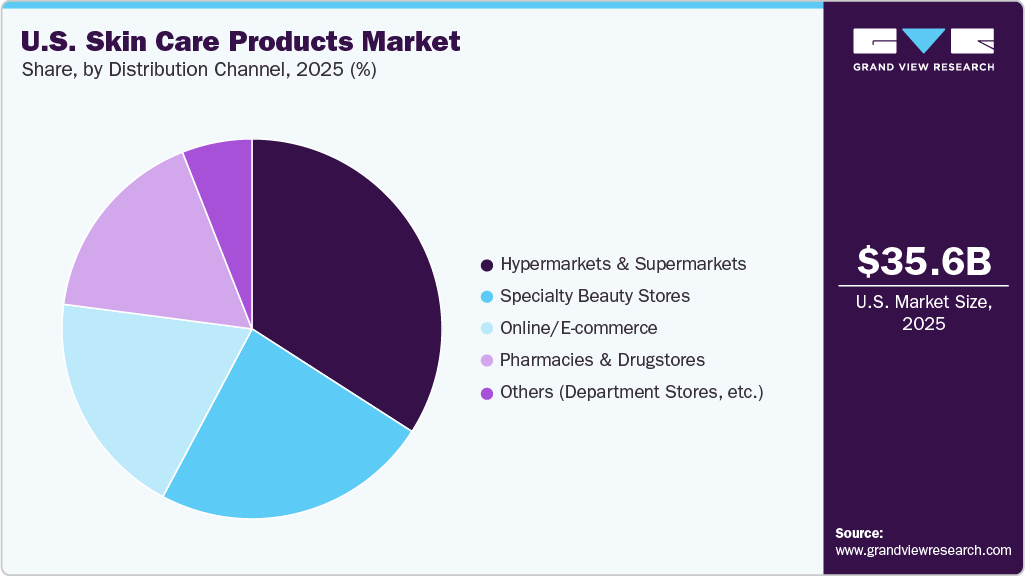
Demand for skin care products in the U.S. through online/e-commerce is expected to grow at a CAGR of 8.5% from 2026 to 2033. Online marketplaces and brand-owned websites allow consumers to browse a wide variety of skincare products, compare ingredients, prices, and customer reviews, and access detailed product information before making purchase decisions. Many consumers prefer online purchasing for the convenience of home delivery, subscription-based replenishment options, and access to exclusive product launches and online-only discounts. In addition, digital platforms increasingly offer personalized skincare tools such as virtual skin assessments, AI-driven product recommendations, and online consultations with skincare specialists, helping consumers select products suited to their skin concerns.
Key U.S. Skin Care Products Companies:
- Revlon
- Colgate-Palmolive Company
- Coty Inc.
- Johnson & Johnson Services, Inc.
- Procter & Gamble (P&G)
- L’Oréal S.A.
- CeraVe
- Cetaphil
- The Ordinary
- Estée Lauder
Recent Developments
-
In February 2026, Neutrogena and South Korean skincare brand Mediheal introduced new derma-focused skincare launches in the U.S. market, targeting growing demand for effective acne treatments. Neutrogena unveiled Evenly Clear, a six-product range developed to address adult acne and reduce the appearance of post-acne marks, combining dermatological research with clinically tested ingredients. At the same time, Mediheal expanded its presence in the U.S. by launching its PDRN-based skincare collection in Ulta Beauty stores, underscoring the growing influence of K-beauty innovations and science-driven skincare solutions in the American market.
-
In September 2025, Galderma launched Cetaphil’s Skin Activator Hydrating & Firming line, a new skincare range designed to improve the appearance of aging, thinning, and fragile skin. The products use a proprietary Skin Activator technology that combines micro-dosed alpha hydroxy acid and encapsulated centella asiatica to support skin renewal, strengthen the moisture barrier, and enhance firmness and hydration. Developed with dermatologists, the range includes creams and lotions for the face and body and aims to help revive surface skin cells, creating smoother, more youthful-looking skin.
-
In May 2025, Origins, a brand under The Estée Lauder Companies, expanded its online presence by launching its products on Amazon’s Premium Beauty store in the United States. The move allows consumers to shop a selection of the brand’s skincare and body care products through Amazon, improving accessibility and strengthening Origins’ reach in the digital beauty retail space.
U.S. Skin Care Products Market Report Scope
Report Attribute
Details
Market size value in 2026
USD 37.97 billion
Revenue forecast in 2033
USD 62.87 billion
Growth rate
CAGR of 7.5% from 2026 to 2033
Actuals
2021 - 2025
Forecast period
2026 - 2033
Quantitative units
Revenue in USD billion and CAGR from 2026 to 2033
Report coverage
Revenue forecast, company ranking, competitive landscape, growth factors, and trends
Segments covered
Product, form, price tier, gender, concern, age group, distribution channel
Country scope
U.S.
Key companies profiled
Revlon; Colgate-Palmolive Company; Estée Lauder; Coty Inc.; Johnson & Johnson Services, Inc.; Procter & Gamble (P&G); L’Oréal S.A.; CeraVe; Cetaphil; The Ordinary; Estée Lauder
Customization
Free report customization (equivalent up to 8 analysts working days) with purchase. Addition or alteration to country, regional & segment scope.
Pricing and purchase options
Avail customized purchase options to meet your exact research needs. Explore purchase options U.S. Skin Care Products Market Report Segmentation
This report forecasts revenue growth at the country levels and provides an analysis of the latest industry trends and opportunities in each of the sub-segments from 2021 to 2033. For this study, Grand View Research has segmented the U.S. skin care products market report by product, form, price tier, gender, concern, age group, and distribution channel:
-
Product Outlook (Revenue, USD Billion, 2021 - 2033)
-
Skin Care
-
Face Skin Care
-
Lotions, Face Creams, & Moisturizers
-
Cleansers & Face Wash
-
Facial Serums
-
Sunscreen/Sun Care
-
Sheet Face Masks
-
Others (Scrub, etc.)
-
-
Body Skin Care
-
Hair Removal Products
-
Lotions, Creams, & Moisturizers
-
Body Sunscreen/Sun Care
-
Body Scrub
-
Others (Serum, Oils, etc.)
-
-
-
-
Form Outlook (Revenue, USD Billion, 2021 - 2033)
-
Aqueous
-
Emulsified
-
Oil-based
-
Gel-based
-
Foam-based
-
Solid/semi-solid
-
Others
-
-
Price Tier Outlook (Revenue, USD Billion, 2021 - 2033)
-
Mass/economy
-
Mass premium
-
Prestige/premium
-
Luxury
-
Ultra-luxury
-
-
Gender Outlook (Revenue, USD Billion, 2021 - 2033)
-
Men
-
Women
-
-
Concern Outlook (Revenue, USD Billion, 2021 - 2033)
-
Acne & blemish control
-
Anti-aging & wrinkle reduction
-
Hydration & moisture balance
-
Hyperpigmentation & dark spots
-
Oil & sebum control
-
Others
-
-
Age Group Outlook (Revenue, USD Billion, 2021 - 2033)
-
Teenagers (ages 13-19)
-
Young adults (ages 20-30)
-
Adults (ages 31-50)
-
Mature adults (ages 51 & above)
-
-
Distribution Channel Outlook (Revenue, USD Billion, 2021 - 2033)
-
Hypermarkets & Supermarkets
-
Specialty Beauty Stores
-
Pharmacies & Drugstores
-
Online/E-commerce
-
Others (Department Stores, etc.)
-
Frequently Asked Questions About This Report
b. Some key players operating in the U.S. skin care products include Revlon; Colgate-Palmolive Company; Estée Lauder; Coty Inc.; Johnson & Johnson Services, Inc.; Procter & Gamble (P&G); L’Oréal S.A.; CeraVe; Cetaphil; The Ordinary
b. Key factors that are driving the U.S. skin care products market growth include the growing awareness regarding one’s physical appearance is expected to spur the demand for various skin care products such as face creams, face washes, and cleansers over the forecast period
b. The U.S. skin care products market size was estimated at USD 35.63 billion in 2025 and is expected to reach USD 37.97 billion in 2026.
b. The U.S. skin care products market is expected to grow at a compound annual growth rate of 7.5% from 2026 to 2033 to reach USD 62.87 billion by 2033.
b. Face creams & moisturizers dominated the U.S. skin care products market with a share of more than 44.95% in 2025. With growing consumer inclination for natural beauty products, the concept of creams, serums, and moisturizers infused with natural ingredients is expected to witness significant demand over the forecast period


Share this report with your colleague or friend.
Need a Tailored Report?
Customize this report to your needs — add regions, segments, or data points, with 20% free customization.


ISO 9001:2015 & 27001:2022 Certified
We are GDPR and CCPA compliant! Your transaction & personal information is safe and secure. For more details, please read our privacy policy.
Trusted market insights - try a free sample
See how our reports are structured and why industry leaders rely on Grand View Research. Get a free sample or ask us to tailor this report to your needs.