- Home
- »
- Medical Devices
- »
-
Intracranial Aneurysm Market Size, Industry Report, 2033GVR Report cover
![Intracranial Aneurysm Market Size, Share & Trends Report]()
Intracranial Aneurysm Market (2026 - 2033) Size, Share & Trends Analysis Report By Product Type, (Surgical Clipping, Endovascular Coiling, Flow Diverters), By End-use (Hospitals, Clinics), By Aneurysm Type, By Region, And Segment Forecasts
- Report ID: GVR-4-68038-416-1
- Number of Report Pages: 110
- Format: PDF
- Historical Range: 2021 - 2024
- Forecast Period: 2026 - 2033
- Industry: Healthcare
- Report Summary
- Table of Contents
- Segmentation
- Methodology
- Download FREE Sample
-
 Download Sample Report
Intracranial Aneurysm Market Summary
The global intracranial aneurysm market size was estimated at USD 1.71 billion in 2025 and is projected to reach USD 3.50 billion by 2033, growing at a CAGR of 8.58% from 2026 to 2033. The growth is primarily driven by the increasing prevalence of cerebrovascular disorders, including hypertension and atherosclerosis, which are major risk factors for aneurysm formation.
Key Market Trends & Insights
- North America dominated the global intracranial aneurysm market and accounted for the largest revenue share of 27.5% in 2025.
- Based on type, the endovascular coiling segment held the largest market share in 2025.
- By aneurysm type, the unruptured intracranial aneurysms segment held the largest revenue share in 2025.
- By end use, the hospitals segment led the market with the largest revenue share in 2025.
Market Size & Forecast
- 2025 Market Size: USD 1.71 Billion
- 2033 Projected Market Size: USD 3.50 Billion
- CAGR (2026-2033): 8.58%
- North America: Largest market in 2025
Advances in medical technology, particularly in endovascular interventions such as coil embolization and flow diverters, have improved treatment outcomes and reduced procedural risks, encouraging wider adoption. In addition, the development of minimally invasive surgical devices and image-guided neurosurgical systems has facilitated earlier detection and treatment, further boosting market demand.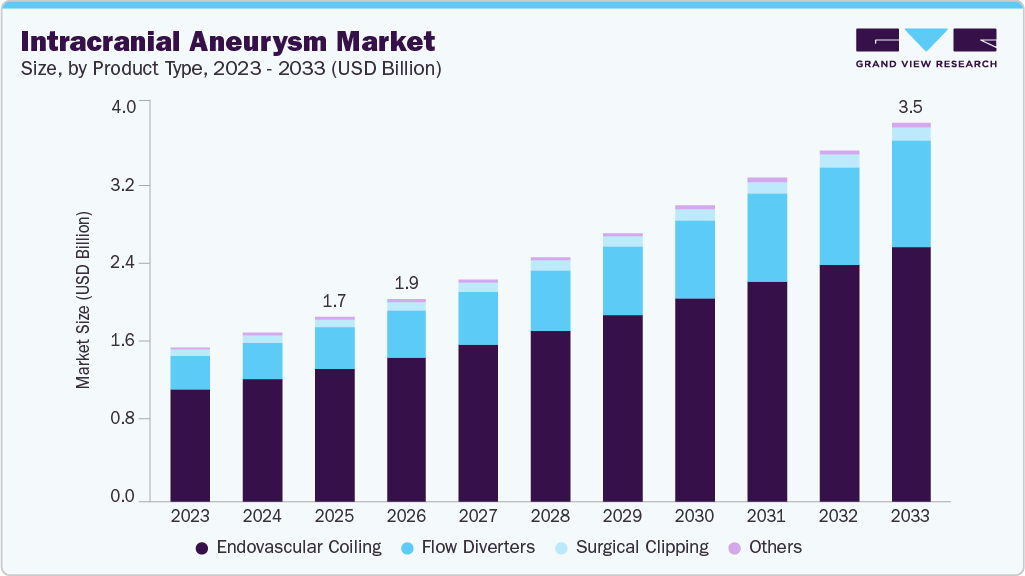
The growing prevalence of brain aneurysms is a key driver of the intracranial aneurysm market. As the number of patients affected by cerebrovascular disorders, hypertension, smoking, and other lifestyle-related risk factors rises, the demand for early diagnosis and effective treatment solutions increases. This is further supported by the aging global population, which is more susceptible to aneurysm formation and rupture. Early detection through advanced imaging techniques, coupled with minimally invasive treatment options like endovascular coiling and flow diversion, has expanded the patient pool seeking intervention, thereby fueling market growth. Additionally, increasing awareness among clinicians and patients about the risks associated with untreated brain aneurysms contributes to higher adoption of therapeutic procedures, making brain aneurysms a central factor driving the market. According to the Hereditary Brain Aneurysm Support 2025, unruptured brain aneurysms, localized bulges or swellings in the brain’s blood vessels, are relatively common, affecting about 3% of the UK population, or roughly 2 million people. While most aneurysms remain asymptomatic and do not cause problems, a small number, between 3,000 and 5,000 cases each year, rupture, with approximately half of these resulting in fatal outcomes.
"Brain aneurysms typically produce no symptoms but can burst without warning with catastrophic consequences. The reality is that most brain aneurysms will never rupture, but we currently have no way of identifying the minority that will. We are making great strides in understanding clinical risk factors but our ability to understand the genetics behind their development and understand why they rupture remains surprisingly limited for a condition that potentially impacts 3% of the UK population."- Professor Diederik Bulters, Consultant Neurosurgeon at UHS, Honorary Professor of Neurovascular Surgery at the University of Southampton, and Chief Investigator of the ROAR Study.
The high prevalence and serious consequences of stroke significantly drive the growth of the cerebrovascular and intracranial aneurysm markets. With hundreds of thousands of people affected annually, many experiencing long-term disability, there is increasing demand for early diagnosis, preventive interventions, and advanced treatment options such as thrombolytic therapy, endovascular procedures, and minimally invasive neurovascular devices. Moreover, rising awareness among healthcare providers and patients about the risks of stroke and transient ischemic attacks encourages timely screening and intervention, further expanding the need for innovative medical devices, imaging technologies, and therapeutic solutions. This combination of widespread incidence, severe outcomes, and the growing focus on early management makes stroke a major driver of market growth.
According to the American Heart Association’s 2026 Heart Disease and Stroke Statistics, stroke is currently the fourth leading cause of death in the United States. Each year, nearly 800,000 people in the U.S. experience a stroke, making it a major contributor to serious, long-term disability.
“This update brings the most important advances in stroke care from the last decade directly into practice. New recommendations in the guideline expand access to cutting-edge treatments, such as clot-removal procedures and medications, simplify imaging requirements so more hospitals can act quickly, and introduce guidance for pediatric stroke for the first time."- Shyam Prabhakaran, M.D., M.S., FAHA, chair of the writing group for the guideline and the James Nelson and Anna Louise Raymond Professor of Neurology and chair of the department of neurology at the University of Chicago Medicine
Stroke (Cerebrovascular Disease) in the UK:
Statistic
Value / Description
Annual deaths
~34,000 deaths per year
Annual stroke cases
>100,000 strokes per year (roughly one every five minutes)
Stroke/TIA survivors
≥1.5 million people
Strokes in working-age people
~25% of all strokes
Leading cause of disability
Stroke is the single biggest cause of severe disability in the UK
Source: British Heart Foundation (BHF), 2026
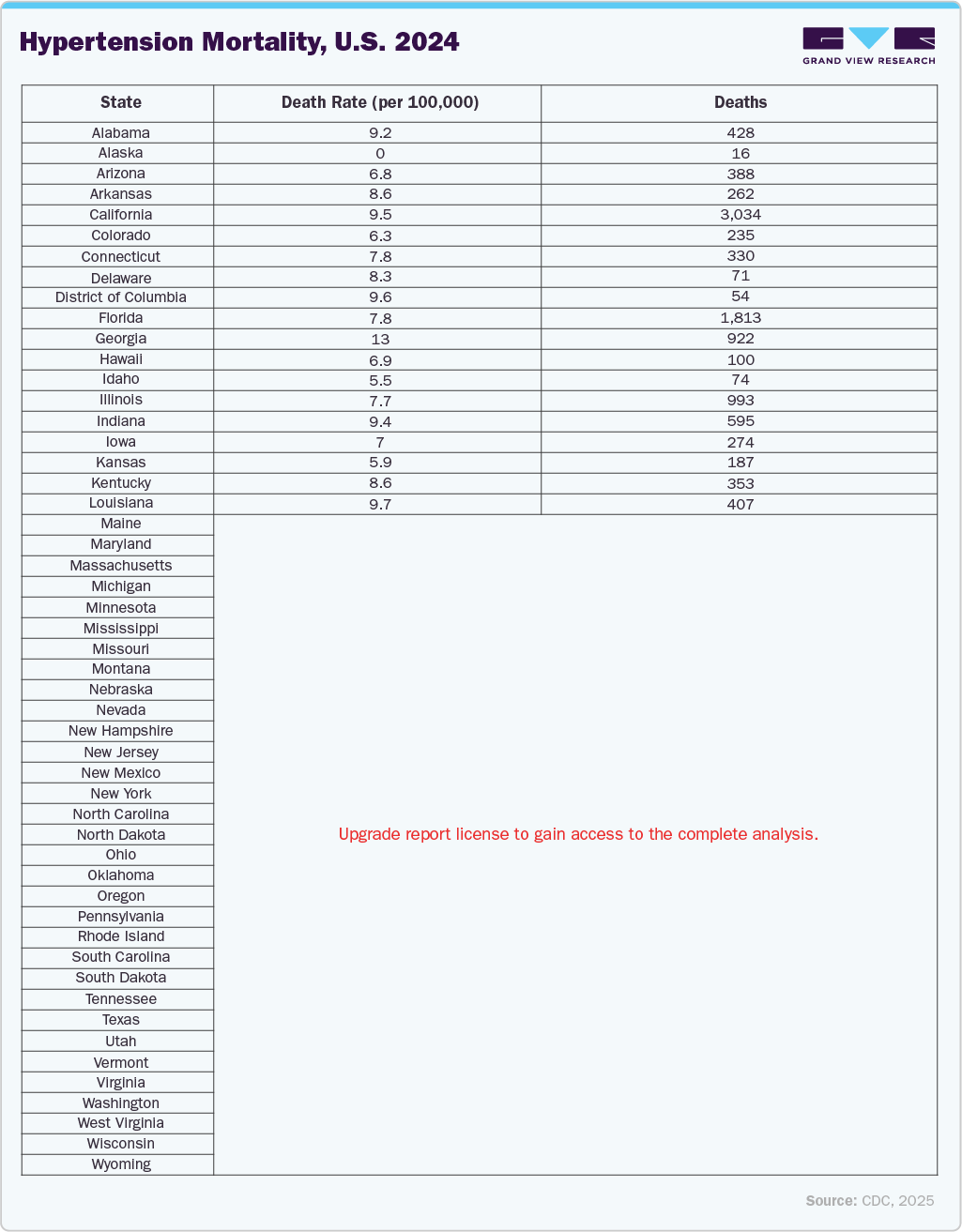
The rising prevalence of hypertension is a key factor driving the intracranial aneurysm and cerebrovascular markets. High blood pressure weakens blood vessel walls over time, increasing the risk of brain aneurysms, strokes, and other cerebrovascular complications, which in turn raises the demand for diagnostic imaging, preventive interventions, and advanced treatment devices. As more patients are diagnosed with hypertension globally, healthcare systems are increasingly focused on monitoring, managing, and treating related vascular conditions, boosting the adoption of minimally invasive procedures, embolization devices, stents, and neurovascular therapies. This growing patient population directly expands the market for products and services targeting hypertension-related cerebrovascular risks.
As per WHO 2025
-
In 2024, an estimated 1.4 billion adults aged 30-79 worldwide had hypertension, representing 33% of the population in this age group.
-
Two-thirds of adults with hypertension live in low- and middle-income countries.
-
About 600 million adults with hypertension (44%) are unaware of their condition.
-
Around 630 million adults (44%) have been diagnosed and are receiving treatment.
-
Approximately 320 million adults (23%) have their hypertension under control.
-
Hypertension is a major contributor to premature death globally.
Market Concentration & Characteristics
The global market has experienced a significant degree of innovation, with innovations in both endovascular devices and delivery systems. There have been notable innovations in types of coils and stents, which are used to treat aneurysms. There have also been improvements in the delivery systems used to deliver these devices.
The degree of innovation in the intracranial aneurysm treatment market is significant, driven by the development of advanced devices and minimally invasive procedures. Innovations such as flow diverters, bioactive coils, and enhanced microcatheters have transformed the treatment landscape, enabling more precise aneurysm targeting, improved safety profiles, and reduced procedural complications. In addition, robotically-assisted interventions and MRI-guided systems are enhancing real-time visualization and procedural accuracy, supporting better clinical outcomes. Continuous research in biomaterials, imaging technologies, and device design ensures that the market remains dynamic, with newer therapies offering faster recovery, lower risk of recurrence, and expanded treatment options for complex aneurysms. This high degree of innovation not only drives market growth but also encourages widespread adoption among hospitals and specialized neurovascular centers.
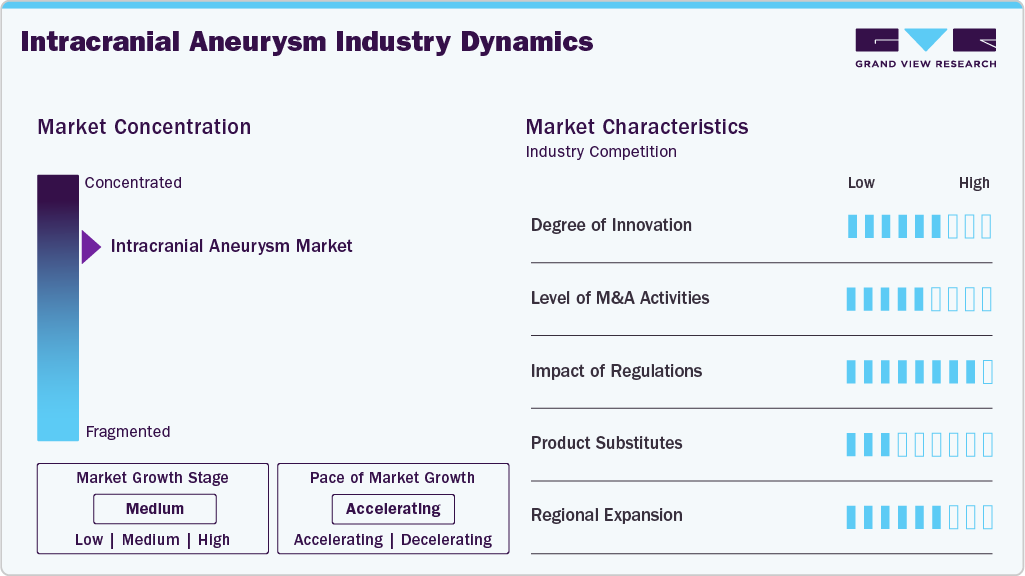
The level of mergers and acquisitions (M&A) activity in the intracranial aneurysm and neurovascular devices market is considered moderate, with several strategic deals occurring as larger medical device companies acquire smaller innovators to expand their technological capabilities and product portfolios. These acquisitions are primarily aimed at gaining access to advanced neurovascular technologies, innovative aneurysm treatment devices, and new geographic markets.
For instance, companies have pursued acquisitions to strengthen their neurovascular offerings. In May 2023, Stryker completed the acquisition of Cerus Endovascular to expand its portfolio of intracranial aneurysm treatment technologies. In January 2025, Kaneka Corporation acquired a majority stake in EndoStream Medical, a company developing advanced aneurysm treatment devices, including the Nautilus system, to enhance its research and development capabilities in the neurovascular segment.
Regulations play a critical role in shaping the intracranial aneurysm market, ensuring patient safety and guiding clinical adoption of advanced devices. Stringent regulatory frameworks in key regions, such as the U.S., Europe, and Japan, require medical device manufacturers to obtain approvals, including FDA clearance, CE marking, or PMDA certification, before commercialization. These regulatory processes ensure that devices, including flow diverters, endovascular coils, and stents, meet strict standards for safety, efficacy, and quality control.
Product Type Insights
The endovascular coiling segment dominates the intracranial aneurysm treatment market due to its widespread clinical adoption and strong effectiveness in treating both ruptured and unruptured aneurysms. Endovascular coiling is a minimally invasive procedure in which small platinum coils are inserted into the aneurysm through a catheter to promote blood clotting and prevent rupture. Compared with traditional surgical clipping, this technique requires smaller incisions, shorter hospital stays, and faster patient recovery, making it a preferred treatment option in many healthcare settings. Another key factor supporting this segment's dominance is the high volume of procedures performed globally, particularly in hospitals and specialized neurovascular centers. Physicians frequently choose coiling because it has established clinical evidence, high procedural success rates, and broad applicability across different aneurysm types and sizes.
The flow diverters segment is expected to grow at the fastest CAGR over the forecast period, driven by increasing preference for minimally invasive endovascular treatments for complex and wide-neck intracranial aneurysms. Flow diverters work by redirecting blood flow away from the aneurysm sac, promoting vessel reconstruction and gradual aneurysm occlusion, which makes them highly effective for treating large or previously difficult-to-treat aneurysms. In addition, ongoing technological advancements and growing clinical evidence supporting the safety and effectiveness of flow-diversion devices are encouraging neurosurgeons and neurointerventionalists to adopt these devices in clinical practice. The growing number of regulatory approvals and product launches by major medical device manufacturers is further expanding the availability of advanced flow diverter systems. For instance:
-
In July 2025, Stryker announced the commercial launch of its Surpass Elite Flow Diverter across the U.S., South Korea, and Europe, marking a significant advancement in neurovascular treatment technologies. The Surpass Elite device incorporates an upgraded implant design and BioStealth Surface technology, a proprietary surface modification that enhances thromboresistance by creating a neutralized cobalt-chromium surface. This innovation is supported by both in vitro and in vivo studies and is designed to reduce thrombin generation during treatment procedures.
Aneurysms Type Insights
The unruptured intracranial aneurysms segment dominates the intracranial aneurysm market primarily due to the higher prevalence and increasing detection of unruptured aneurysms. Many intracranial aneurysms remain asymptomatic and are often discovered incidentally during routine brain imaging procedures such as MRI, CT angiography, and magnetic resonance angiography performed for other neurological conditions. The growing use of advanced imaging technologies and preventive neurological screening has significantly increased the diagnosis of unruptured aneurysms, thereby expanding the patient pool requiring monitoring or treatment.
The ruptured intracranial aneurysms segment holds a significant share of the intracranial aneurysm market due to the high clinical urgency and immediate treatment requirements associated with aneurysm rupture. When an aneurysm ruptures, it often leads to subarachnoid hemorrhage, a life-threatening condition that requires rapid medical intervention. As a result, patients with ruptured aneurysms undergo emergency procedures such as endovascular coiling, surgical clipping, or flow diversion, which increases the demand for advanced neurovascular treatment devices.
End Use Insights
The hospital segment dominated the global intracranial aneurysm market and accounted for the largest revenue share 2025. This is attributed to the use of technologically advanced equipment in operation theaters and intensive care units, the increasing number of hospitals worldwide, and rising government funding for the hospitals. Technologically advanced devices are being used extensively in hospitals to provide better treatment. These devices are not only simplifying treatment procedures but are also helping provide better, faster, and more accurate results.
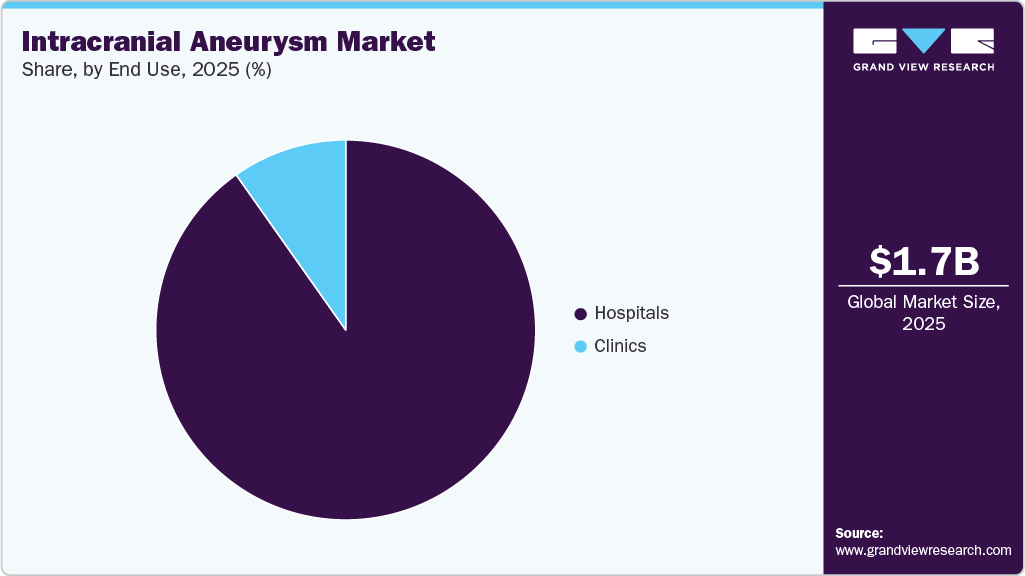
The clinic segment is expected to grow at a lucrative CAGR over the forecast period. Intracranial aneurysm procedures are among the most critical and complicated surgeries that are dependent on high-quality and durable equipment, which are used in hospitals. Hospitals are also better equipped to handle any post-operative complications, and they include facilities for physical rehabilitation post surgeries. Also, hospitals are widely preferred by patients in comparison to emergency clinics owing to better healthcare facilities and the availability of advanced equipment. Thus, these factors are significantly boosting the segment growth.
Regional Insights
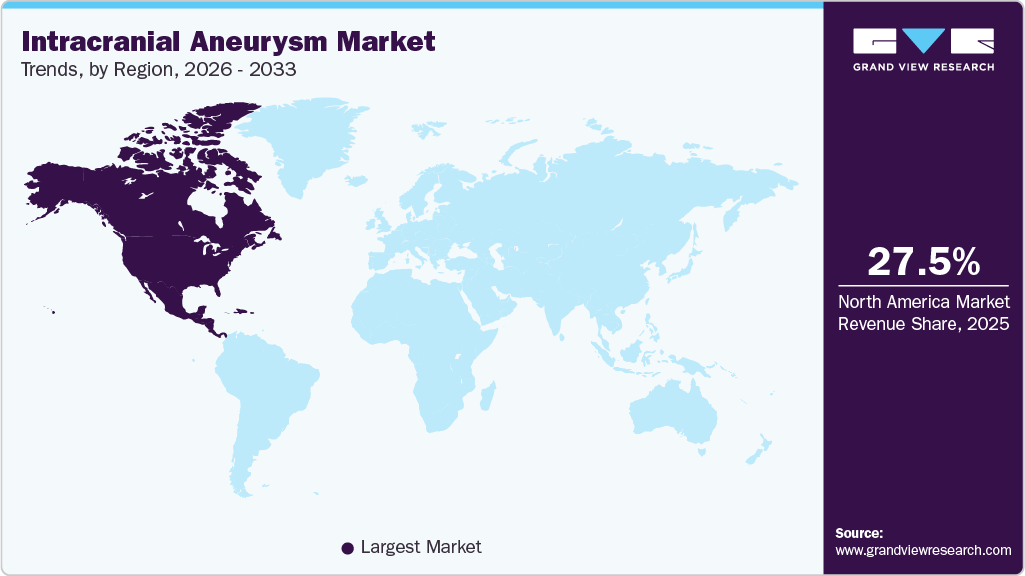
North America dominated the global intracranial aneurysm market and accounted for the largest revenue share of 27.5% in 2025, due to several key healthcare and technological factors. One of the primary drivers is the high prevalence of neurological and cerebrovascular disorders in the region. As per the American Academy of Neurology, more than 54% of the U.S. population is affected by neurological diseases, which significantly increases the need for early diagnosis and treatment of brain-related conditions such as intracranial aneurysms. In addition, the rising incidence of stroke, hypertension, and other cardiovascular risk factors is contributing to the growing demand for neurovascular treatment devices.
U.S. Intracranial Aneurysm Market Trends
The U.S. intracranial aneurysm market is growing due to the increasing prevalence of neurovascular diseases and strong adoption of advanced treatment technologies. In the U.S., around 795,000 people experience a stroke every year, and cerebrovascular disorders such as intracranial aneurysms are becoming more common due to risk factors like hypertension, diabetes, obesity, and sedentary lifestyles. This rising disease burden is increasing demand for neurovascular treatment devices, including coils, stents, and flow diverters, used in aneurysm management.
According to the American Academy of Neurology 2025, a recent systematic analysis indicates that approximately 54% of the U.S. population is affected by a neurological disease or disorder. In 2021, disorders of the nervous system impacted over 180 million people out of nearly 333 million Americans, making neurological conditions the leading cause of health loss in the country. The nervous system includes the brain, spinal cord, and peripheral nerves, and diseases affecting these structures contribute significantly to the national disease burden. Among the most prevalent neurological conditions were tension-type headaches affecting around 122 million Americans, migraines impacting about 58 million individuals, and diabetic neuropathy affecting approximately 17 million people. The major contributors to health loss from neurological diseases include stroke, Alzheimer’s disease and other dementias, diabetic neuropathy, and migraine, highlighting the growing burden of neurological disorders in the U.S.
“This new analysis showing one in two people in the U.S. is affected by a neurological disease or disorder is an urgent call to action. It emphasizes the importance of accelerating research and discovery to achieve scientific breakthroughs in preventing and treating neurological diseases and disorders. With these efforts, led by neurologists and neuroscientists, the experts in brain health, we can improve brain health for all.”- President Natalia S. Rost, MD, MPH, FAAN, FAHA, American Academy of Neurology
Europe Intracranial Aneurysm Market Trends
The Europe intracranial aneurysm market is growing due to several clinical and healthcare system factors. One of the key drivers is the rising prevalence of cerebrovascular diseases and stroke across the region. The increasing incidence of hypertension, smoking, obesity, and other lifestyle-related risk factors is contributing to a higher number of brain aneurysm cases, which is increasing demand for advanced neurovascular treatment devices such as coils, stents, and flow diverters.
Another major factor supporting market growth is the aging population in Europe. Countries such as Germany, Italy, and France have a large elderly population, and older adults are at a higher risk of intracranial aneurysms and related neurological conditions. This demographic trend is increasing the need for early diagnosis and treatment, driven by advanced imaging technologies and minimally invasive procedures.
The UK intracranial aneurysm market is growing due to the increasing prevalence of stroke and other neurovascular disorders in the country. The UK records over 100,000 stroke cases annually, which significantly increases the need for advanced neurovascular treatments such as aneurysm coiling, flow diverters, and embolization devices. The rising elderly population and higher incidence of hypertension and other cardiovascular risk factors are further contributing to the growing demand for aneurysm diagnosis and treatment.
Another key factor supporting market growth is the expansion of advanced neurointerventional services within the National Health Service (NHS). Government initiatives aimed at improving stroke care, such as the development of hyperacute stroke units (HASUs) and integrated stroke delivery networks, are expanding access to specialized neurovascular procedures nationwide. These programs are also encouraging hospitals to adopt advanced imaging technologies and minimally invasive endovascular treatments, which accelerate the use of intracranial aneurysm treatment devices.
The Germany intracranial aneurysm market is growing due to the country’s advanced healthcare infrastructure and increasing burden of cerebrovascular diseases. Germany has a well-established network of specialized neurovascular and stroke centers equipped with advanced imaging technologies and interventional facilities, which supports the adoption of modern aneurysm treatment procedures such as coiling, stent-assisted therapies, and flow diverters.
The market is also supported by strong reimbursement policies and high healthcare spending, which make advanced neurovascular procedures more accessible to patients. In addition, Germany has a strong medical technology ecosystem and close collaboration between hospitals, research institutions, and medical device manufacturers, which accelerates the adoption of innovative treatment technologies such as AI-assisted imaging, robotics, and next-generation embolization devices.
Asia Pacific Intracranial Aneurysm Market Trends
The Asia-Pacific intracranial aneurysm market is growing due to the rising prevalence of cerebrovascular diseases and stroke, fueled by aging populations and lifestyle-related risk factors such as hypertension, diabetes, smoking, and obesity across countries like China, India, and Japan. These conditions significantly increase the risk of brain aneurysms and other neurovascular disorders, leading to higher demand for advanced treatment devices such as coils, stents, and flow diverters.
The Japan intracranial aneurysm market is growing due to clinical and healthcare system factors. One of the major drivers is Japan’s rapidly aging population, which increases the incidence of cerebrovascular diseases such as stroke and brain aneurysms. With a large proportion of the population aged 65 and above, the prevalence of risk factors such as hypertension and atherosclerosis is rising, leading to greater demand for aneurysm diagnosis and treatment procedures. According to Japan's Ministry of Internal Affairs and Communications, as of 2024, the country had a record 36.25 million people aged 65 and over, accounting for 29.3% of the total population. This share is projected to rise to 34.8% in 2040 and 36.3% in 2045.
The China intracranial aneurysm market is experiencing steady growth due to the rising burden of cerebrovascular diseases and strong government healthcare initiatives. The increasing prevalence of stroke, hypertension, and other non-communicable diseases in China is significantly raising the risk of brain aneurysms, thereby increasing demand for early diagnosis and neurovascular treatment devices. Studies indicate that the burden of stroke and related cerebrovascular conditions in China is expected to increase further as the population ages, which will continue to drive demand for advanced neurointerventional procedures.
A major factor supporting market expansion is the Healthy China 2030 strategy, introduced by the Chinese government to strengthen the national healthcare system and improve disease prevention, diagnosis, and treatment services. The policy focuses on improving healthcare access, expanding medical coverage, strengthening disease prevention programs, and promoting advanced medical technologies to enhance healthcare outcomes.
MEA Intracranial Aneurysm Market Trends
The Middle East Africa intracranial aneurysm market is experiencing growth driven by the increasing prevalence of neurovascular disorders, improved healthcare infrastructure, and the rising adoption of minimally invasive neuro-interventional procedures. Countries such as Saudi Arabia and the UAE are investing in advanced healthcare systems, specialized stroke centers, and neurovascular treatment facilities, thereby increasing demand for aneurysm treatment devices such as coils, flow diverters, and stents. In addition, growing awareness of stroke and brain aneurysm diagnosis, along with improved imaging technologies (CTA, MRI, and angiography), is enabling earlier detection and treatment of aneurysms, supporting market expansion.
Furthermore, government healthcare investments and national healthcare transformation programs, such as Saudi Arabia’s Vision 2030, are supporting the development of specialized neurosurgical centers and the procurement of advanced neurovascular technologies. The region is also witnessing increasing procedural volumes due to a rise in stroke incidence, aging populations, and lifestyle risk factors like hypertension and obesity.
Key Companies & Market Share Insights
Key players in the global intracranial aneurysm market include Medtronic plc, Stryker Corporation, MicroPort Scientific Corporation, and others. Strategies such as new product development, patent protection, regulatory approval, and collaborations and partnerships are widely undertaken strategies by these players.
Key Intracranial Aneurysm Companies:
The following key companies have been profiled for this study on the intracranial aneurysm market.
- Stryker Corporation
- Medtronic
- MicroPort Scientific Corporation
- Johnson & Johnson
- Terumo Corporation
- Penumbra, Inc. (Boston Scientific Corporation)
- BAL‑T Group (Balt Extrusion SAS)
- phenox GmbH (Wallaby Medical)
- Acandis GmbH
- Kaneka Corporation
Recent Developments
-
In January 2026, Boston Scientific Corporation announced a definitive agreement to acquire Penumbra, Inc. The acquisition is intended to expand Boston Scientific’s cardiovascular and neurovascular portfolio and strengthen its presence in fast-growing vascular treatment segments, including mechanical thrombectomy and neurovascular interventions.
-
In July 2025, the Radiological Society of North America launched the 2025 RSNA Intracranial Aneurysm Detection AI Challenge to accelerate the development of artificial intelligence tools for radiology and improve patient care. The challenge, organized in collaboration with the American Society of Neuroradiology, European Society of Neuroradiology, and Society of Neurointerventional Surgery, focuses on AI-assisted detection and localization of intracranial aneurysms using multiple imaging modalities, including computed tomography angiography (CTA), magnetic resonance angiography (MRA), and MRI.
-
In October 2023, a study published in the BMJ Journal of Neurointerventional Surgery demonstrated that PreSize, an AI software, is more accurate than human clinicians in predicting placement of a stent in a patient’s brain. This development shows how the integration of AI could provide growth opportunities for the players operating in the market.
-
In May 2023, Stryker Corporation acquired Cerus Endovascular Ltd., a medical devices company involved in making neuro interventional devices for the treatment of intracranial aneurysms. With this acquisition, Stryker aims to expand its product portfolio for aneurysm treatment solutions.
Intracranial Aneurysm Market Report Scope
Report Attribute
Details
Market size value in 2026
USD 1.88 billion
Revenue forecast in 2033
USD 3.50 billion
Growth rate
CAGR of 8.58% from 2026 to 2033
Base year for estimation
2025
Historical data
2021 - 2024
Forecast period
2026 - 2033
Quantitative units
Revenue in USD million/billion and CAGR from 2026 to 2033
Report coverage
Revenue forecast, company ranking, competitive landscape, growth factors, trends
Segments covered
Product type, aneurysm type, end use, and region.
Country scope
U.S.; Canada, Mexico; Germany; UK; France; Italy; Spain; Denmark; Sweden; Norway; Japan; China; India; Australia; Thailand; South Korea; Brazil; Argentina; South Africa; Saudi Arabia; UAE; and Kuwait
Key companies profiled
Stryker Corporation, Medtronic, MicroPort Scientific Corporation, Johnson & Johnson, Terumo Corporation, Penumbra, Inc., Balt Group, phenox GmbH, Acandis GmbH, and Kaneka Corporation.
Customization scope
Free report customization (equivalent up to 8 analysts working days) with purchase. Addition or alteration to country, regional & segment scope.
Pricing and purchase options
Avail customized purchase options to meet your exact research needs. Explore purchase options
Global Intracranial Aneurysm Market Report Segmentation
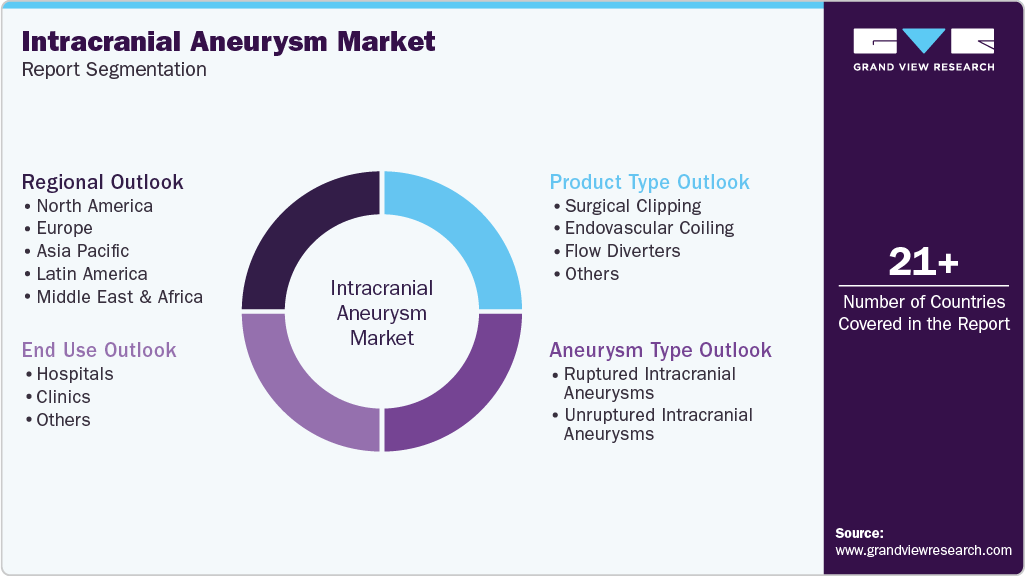
This report forecasts revenue growth at country and states level and provides an analysis of the latest industry trends in each of the sub-segments from 2021 to 2033. For this study, Grand View Research has segmented the global intracranial aneurysm market report based on product type, aneurysm type, end use, and region:
-
Product Type Outlook (Revenue, USD Million, 2021 - 2033)
-
Surgical Clipping
-
Endovascular Coiling
-
Flow Diverters
-
Others
-
-
Aneurysm Type Outlook (Revenue, USD Million, 2021 - 2033)
-
Ruptured Intracranial Aneurysms
-
Unruptured Intracranial Aneurysms
-
-
End Use Outlook (Revenue, USD Million, 2021 - 2033)
-
Hospitals
-
Clinics
-
Others
-
-
Regional Outlook (Revenue, USD Million, 2021 - 2033)
-
North America
-
U.S.
-
Canada
-
Mexico
-
-
Europe
-
Germany
-
UK
-
France
-
Italy
-
Spain
-
Denmark
-
Sweden
-
Norway
-
-
Asia Pacific
-
Japan
-
China
-
India
-
Australia
-
Thailand
-
South Korea
-
-
Latin America
-
Brazil
-
Argentina
-
-
Middle East & Africa
-
South Africa
-
Saudi Arabia
-
UAE
-
Kuwait
-
-
Frequently Asked Questions About This Report
b. Key factors that are driving the intracranial aneurysm market growth include the increasing prevalence of hypertension and aneurysm among the aging adult population as well as technologically advanced products by key players.
b. The global intracranial aneurysm market was estimated at USD 1.71 billion in 2025 and is expected to reach USD 1.88 billion in 2026.
b. The global intracranial aneurysm market is expected to grow at a compound annual growth rate of 8.58% from 2026 to 2033 to reach USD 3.50 billion by 2033.
b. North America dominated the intracranial aneurysm market with a share of 27.5% in 2025. This is attributable to the increasing cost of treatment, rising aging population, and a greater incidence of hypertension and stroke in the region.
b. Some key players operating in the intracranial aneurysm market include Stryker Corporation, Medtronic, MicroPort Scientific Corporation, Johnson & Johnson, Terumo Corporation, Penumbra, Inc., Balt Group, phenox GmbH, Acandis GmbH, and Kaneka Corporation.


Share this report with your colleague or friend.
Need a Tailored Report?
Customize this report to your needs — add regions, segments, or data points, with 20% free customization.


ISO 9001:2015 & 27001:2022 Certified
We are GDPR and CCPA compliant! Your transaction & personal information is safe and secure. For more details, please read our privacy policy.
Trusted market insights - try a free sample
See how our reports are structured and why industry leaders rely on Grand View Research. Get a free sample or ask us to tailor this report to your needs.