
- Home
- »
- Consumer F&B
- »
-
Healthy Foods Market Size, Share, Industry Report, 2033GVR Report cover
![Healthy Foods Market Size, Share & Trends Report]()
Healthy Foods Market (2026 - 2033) Size, Share & Trends Analysis Report By Product (Functional Food & Drinks, Organic Food & Beverages), By Distribution Channel (Supermarket & Hypermarket, Convenience Stores, Specialty Stores), By Region, And Segment Forecasts
- Report ID: GVR-4-68040-486-6
- Number of Report Pages: 109
- Format: PDF
- Historical Range: 2021 - 2024
- Forecast Period: 2026 - 2033
- Industry: Consumer Goods
- Report Summary
- Table of Contents
- Segmentation
- Methodology
- Download FREE Sample
-
 Download Sample Report
Healthy Foods Market Summary
The global healthy foods market size was estimated at USD 1,063.3 billion in 2025 and is projected to reach USD 2,013.0 billion by 2033, growing at a CAGR of 8.1% from 2026 to 2033. The increasing awareness of health and nutrition among consumers is one of the most significant drivers of the healthy foods industry's growth.
Key Market Trends & Insights
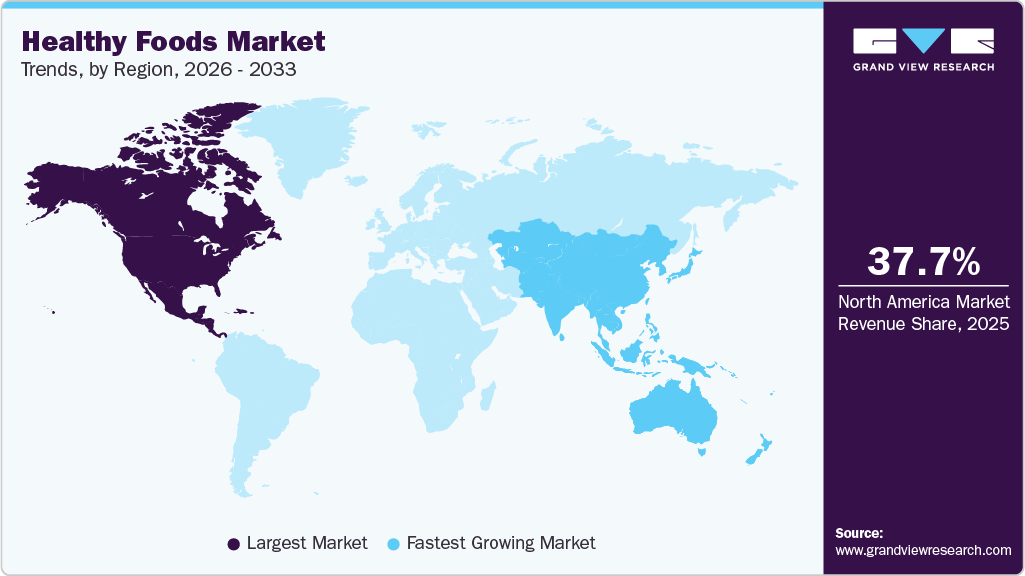
- North America dominated the global healthy foods market with the largest revenue share of 37.66% in 2025.
- The healthy foods industry in the U.S. accounted for the largest market revenue share in North America in 2025.
- By product, the functional food & drinks segment led the market with the largest revenue share of 52.01% in 2025.
- By distribution channel, the supermarkets and hypermarkets segment led the market with the largest revenue share of 47.29% in 2025.
Market Size & Forecast
- 2025 Market Size: USD 1,063.3 Billion
- 2033 Projected Market Size: USD 2,013.0 Billion
- CAGR (2026-2033): 8.1%
- North America: Largest market in 2025
- Asia Pacific: Fastest growing market
As more individuals recognize the importance of a balanced diet and its impact on overall well-being, there has been a marked shift towards healthier eating habits. This trend is fueled by rising incidences of lifestyle-related diseases such as obesity and diabetes, prompting consumers to seek out foods that offer nutritional benefits and support weight management. The demand for protein-rich products, organic foods, and allergen-free products is rising as people prioritize their health through dietary choices.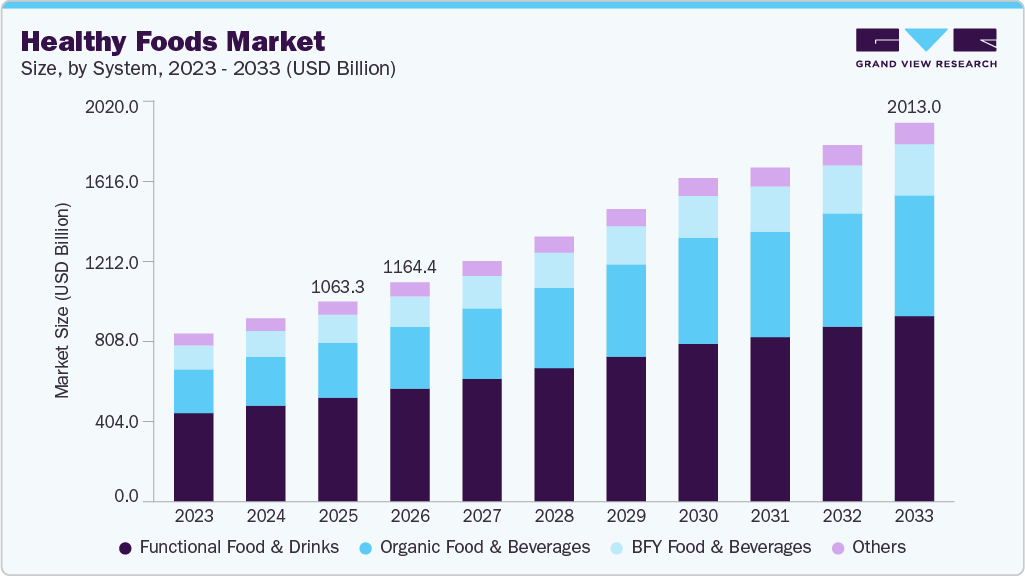
Adopting plant-based diets has emerged as a powerful trend influencing the healthy foods industry. With growing concerns about animal welfare, environmental sustainability, and personal health, many consumers are shifting from animal-based products to vegan and vegetarian options. This transition is supported by an increasing number of individuals who are lactose intolerant or have other dietary restrictions, further driving demand for plant-based alternatives. The popularity of dairy-free milk, gluten-free snacks, and plant-based proteins reflects this significant market shift.
The modern lifestyle has also played a crucial role in shaping the healthy foods industry. As more people work from home or lead busy lives, there is a growing preference for convenient food options that do not compromise health. Ready-to-eat meals and snacks that are nutritious and easy to prepare are gaining traction among consumers seeking quick yet healthy meal solutions. This trend aligns with the increasing focus on clean-label products that emphasize ingredient transparency, catering to health-conscious consumers who prefer minimal processing in their food choices.
Technological advancements in food production and distribution are facilitating the market growth. Innovations such as fortified foods, functional beverages, and probiotic-rich products are becoming increasingly popular as consumers seek additional health benefits beyond basic nutrition. Moreover, e-commerce platforms have made it easier for consumers to access a wider range of health food products, further driving sales and expanding market reach.
Finally, there is a growing emphasis on preventive health measures among consumers. Many individuals are now more proactive about their health, seeking foods that enhance their immune systems and overall vitality. This shift towards preventive nutrition encourages manufacturers to develop products that cater to these needs, including supplements, functional foods, and snacks designed to boost energy levels and support long-term health. As awareness about the connection between diet and disease prevention grows, the demand for health-oriented food products is expected to rise correspondingly.
One of the primary challenges in the healthy foods industry is the shorter shelf life of fresh products. While fresh foods are often preferred for their superior nutritional content and flavor, their perishable nature necessitates quick consumption or refrigeration. This limitation can lead to higher production costs and increased waste due to unsold inventory, ultimately affecting profitability and sustainability efforts in the healthy foods industry. Retailers may struggle to keep fresh, healthy food items in stock, which can deter consumers who prioritize convenience and availability.
Another significant barrier is the high prices associated with healthy foods. Many consumers find that organic and wellness-focused products cost more than conventional options, which can limit accessibility for a broader audience. The perception that healthy eating is expensive can discourage individuals from adopting healthier diets, particularly in regions with widespread economic constraints. This challenge is particularly acute in markets like India, where a substantial portion of the population cannot afford a nutritious diet.
The healthy foods industry also faces regulatory challenges, particularly concerning fortified foods and beverages. Stricter regulations aimed at ensuring product safety and transparency can create hurdles for manufacturers who may struggle to comply with these standards. Failure to meet regulatory requirements can limit the availability of certain products in the market, stifling innovation and reducing consumer choices. Manufacturers must navigate these complex regulations while maintaining product quality and meeting consumer expectations.
Consumer Insights for Healthy Foods Market
Consumer preferences in the healthy foods industry have been shifting markedly toward nutrition-centric, transparent purchasing decisions, as evidenced by recent surveys. In India, 58% of urban consumers reported prioritizing nutritional benefits over taste when choosing snacks, a figure that exceeds the global average of 52% and reflects a broader trend of informed eating habits, particularly among Millennials and Gen Z, who scrutinize nutritional labels before buying, also with 86 % having purchased nuts within six months as a preferred healthy snack category.
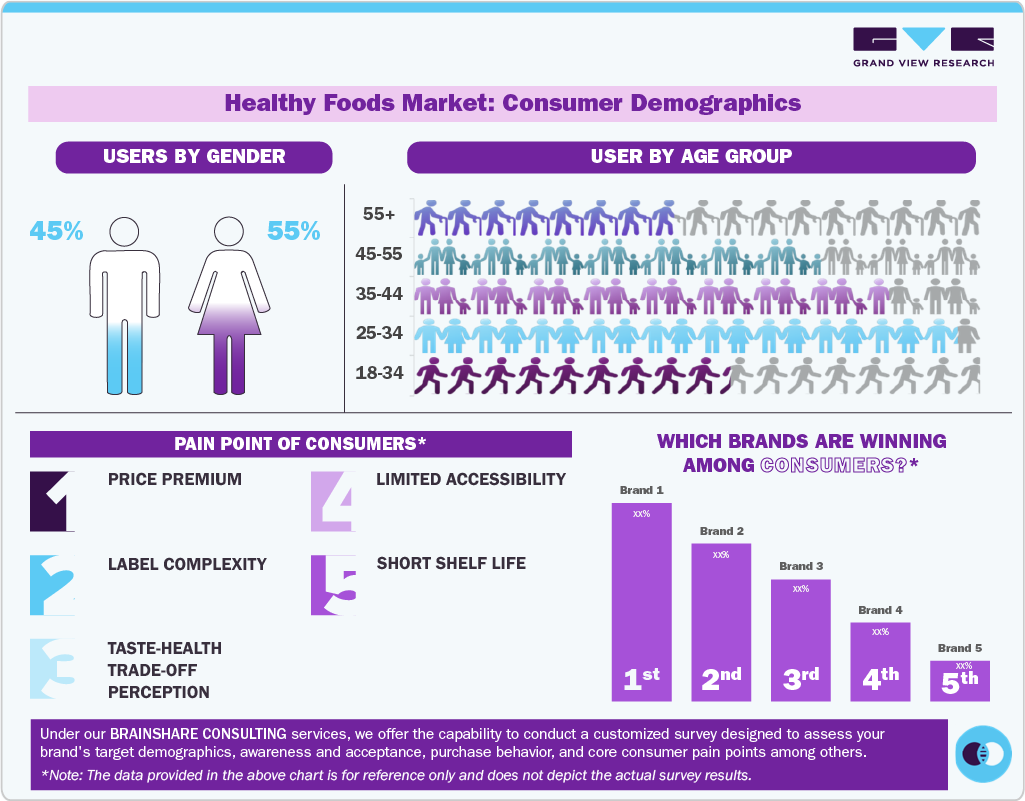
Globally, it has been observed that around 55% of health-conscious consumers read ingredient labels to assess product healthfulness, and 67% prefer products labeled “non-GMO,” indicating a widespread demand for clear health signaling on packaging.
In addition to nutritional focus, demographic trends reveal that Millennials and Generation Z collectively account for over 60% of health food consumers, highlighting the central role of younger cohorts in driving healthy eating behavior. These groups tend to seek products that align with broader wellness goals, for example, functionality (e.g., 42.9% associating healthy food with energy-boosting benefits), and sustainability concerns are increasingly influencing purchase decisions. Furthermore, consumers across regions demonstrate a growing willingness to support brands that are transparent about ingredients and health benefits (70%) and are even prepared to pay a premium for locally sourced or genuinely healthier alternatives (40%), reinforcing the trend that value perceptions extend beyond price to include quality, ethics, and health impact.
Product Insights
The functional food & drinks segment led the market with the largest revenue share of 52.01% in 2025. One of the primary drivers is the increased consumer interest in health and wellness. As individuals become more aware of the impact of nutrition on overall well-being, there is a growing demand for foods that offer health benefits beyond essential nutrition. Functional foods, which include products fortified with vitamins, minerals, probiotics, and other bioactive compounds, are increasingly sought for their potential to prevent chronic diseases such as obesity, diabetes, and cardiovascular issues. This shift towards health-conscious eating habits encourages consumers to seek functional foods to enhance their quality of life and support long-term health goals.
Another significant factor contributing to the growth of the functional food market is the rise in chronic diseases. With conditions like heart disease and diabetes becoming more prevalent, consumers are actively looking for dietary solutions to manage these health challenges. Functional foods are positioned as practical tools for promoting health and preventing disease, which resonates with a population increasingly focused on preventive healthcare. The aging demographic also plays a crucial role; older adults are particularly interested in foods that support cognitive function, joint health, and overall vitality. This demographic shift further drives demand for products specifically designed to address age-related health concerns.
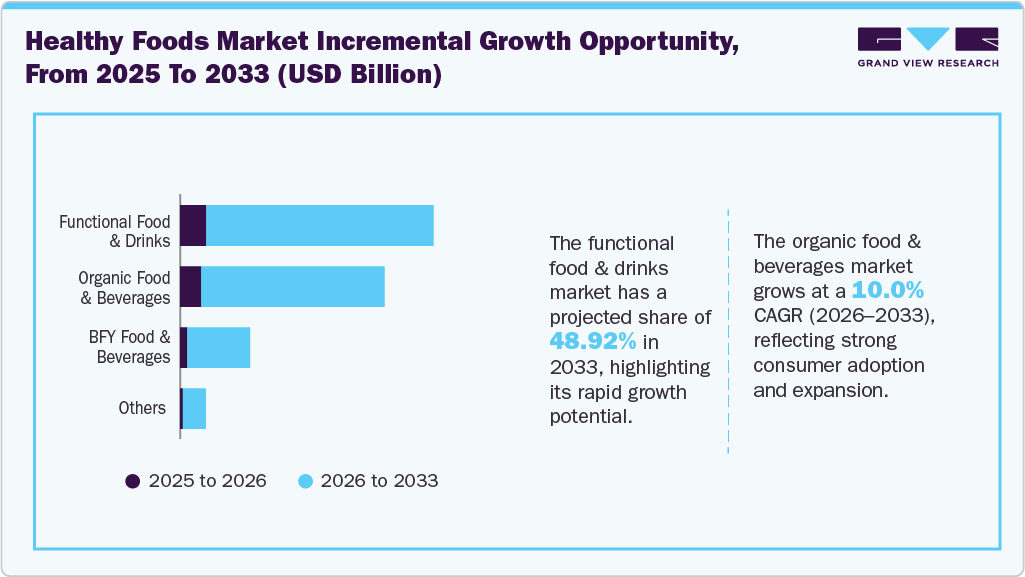
The organic food & beverages segment is expected to grow at the fastest CAGR of 10.0% over the forecast period. As consumers become more educated about the benefits of organic foods-such as reduced exposure to harmful pesticides and chemicals-they are increasingly inclined to choose organic options over conventional products. This shift in consumer behavior is supported by a growing body of research highlighting the health advantages of organic diets, including improved nutritional profiles and potential long-term health benefits. Furthermore, the rise of social media and digital platforms has facilitated information sharing, allowing consumers to access knowledge about organic farming practices and their positive impacts on health and the environment.
Another critical driver for the organic food market is the heightened concern for environmental sustainability. As awareness of climate change and ecological degradation grows, consumers seek food products that align with their sustainability and ethical consumption values. Organic farming practices are often perceived as more environmentally friendly because they emphasize biodiversity, soil health, and reduced reliance on synthetic fertilizers and pesticides. This alignment with ecological values encourages consumers to support organic agriculture to promote sustainable food systems. Consequently, many individuals view purchasing organic products as a dietary choice and a commitment to environmental stewardship.
Distribution Channel Insights
The supermarkets and hypermarkets segment led the market with the largest revenue share of 47.29% in 2025, driven by the increasing consumer demand for health-conscious products. As awareness of nutrition and its impact on overall health grows, consumers actively seek more nutritious food options that align with their dietary preferences. Supermarkets are responding to this trend by expanding their organic, natural, and functional food offerings to cater to the growing segment of health-conscious shoppers. This shift is supported by initiatives that promote healthy eating habits, as evidenced by reports indicating that a substantial percentage of consumers are trying to eat healthier. By prioritizing the availability of wholesome foods, supermarkets position themselves as key players in the health and wellness movement.
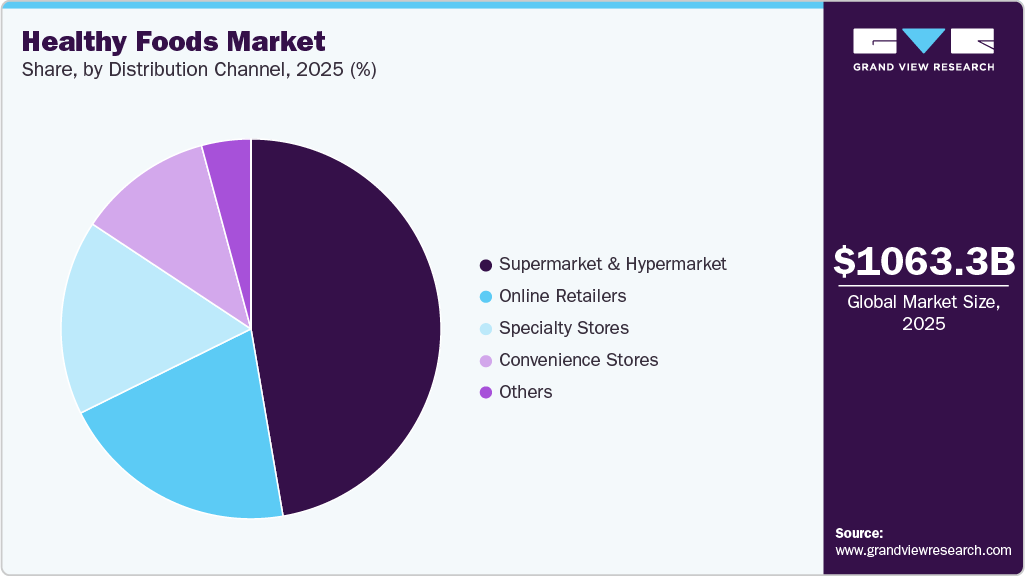
Another crucial driver is the integration of e-commerce and omnichannel retailing within supermarkets and hypermarkets. The convenience of online shopping has transformed consumer purchasing behaviors, allowing customers to easily access a wide variety of healthy food options from the comfort of their homes. Many retailers are enhancing their digital platforms to offer personalized shopping experiences, which include tailored recommendations for healthy products based on individual preferences and dietary needs. This integration not only increases accessibility to nutritious foods but also encourages consumers to explore new products that they might not have considered in a traditional shopping environment.
The online segment is expected to grow at the fastest CAGR of 10.0% from 2026 to 2033. Online distribution channels are significantly driving market growth by enhancing accessibility and convenience for consumers. The rise of e-commerce platforms allows consumers to browse a wide range of healthy food options from home, eliminating the need to visit physical stores. This convenience particularly appeals to health-conscious individuals with busy lifestyles who prefer quick access to nutritious products. Furthermore, online channels often provide detailed product information, including nutritional information and ingredient sourcing, empowering consumers to make informed food purchase decisions. The ability to compare prices and read reviews also fosters a more competitive marketplace, encouraging brands to maintain high quality and transparency.
Online distribution channels expand the reach of local and international brands in the healthy foods industry. E-commerce platforms break down geographical barriers, allowing consumers in remote areas to access specialty healthy foods that may not be available in nearby supermarkets. This democratization of access is particularly beneficial for niche products, such as organic or gluten-free items, which might have limited shelf space in traditional retail settings. Moreover, the integration of social media marketing and influencer partnerships within e-commerce strategies further enhances brand visibility and consumer engagement. As health trends evolve, online channels enable brands to quickly adapt their offerings based on consumer feedback and emerging dietary preferences, driving innovation and growth in the healthy foods sector.
Regional Insights
North America dominated the healthy foods market with the largest revenue share of 37.66% in 2025, driven by an increasing consumer commitment to health and wellness, accelerated by the COVID-19 pandemic. As many individuals reassess their dietary choices, around 50% of consumers report prioritizing healthy eating, with a strong focus on fresh produce and foods free from artificial ingredients. This trend reflects a broader shift towards conscious eating, where consumers actively seek products that promote personal health and align with sustainability goals. The pandemic has further intensified this movement, leading to a notable increase in the consumption of plant-based foods and a reduction in processed food intake as people become more aware of the links between diet and overall well-being.
U.S. Healthy Foods Market Trends
The healthy foods market in the U.S. accounted for the largest market revenue share in North America in 2025. The changing consumer attitudes and the expansion of online distribution channels have played a crucial role in driving market growth. E-commerce platforms have made it easier for consumers to access a diverse range of nutritious food options, including organic and specialty products that may not be available in traditional grocery stores. This increased accessibility caters to the growing demand for convenience among health-conscious shoppers who prefer the ease of online shopping. Moreover, enhanced product information and customer reviews on these platforms empower consumers to make informed choices, further fueling interest in healthier food options. As supermarkets and hypermarkets adapt to these trends by expanding their healthy food offerings and improving their online presence, they are well-positioned to meet the evolving needs of U.S. consumers.
Europe Healthy Foods Market Trends
The healthy foods market in Europe is experiencing growth driven by a strong culture of preventive nutrition and wellness. Consumers in the region are increasingly seeking food products that support long-term health benefits, including improved immunity, digestive health, and metabolic balance. This trend is reinforced by high regulatory standards and stringent quality controls across the European Union, which elevate consumer confidence in clean-label and scientifically verified health claims on product packaging. European markets also benefit from deep-rooted organic agriculture systems and a strong preference for minimally processed foods, enabling widespread availability of plant-based, organic, and fortified food options in mainstream retail channels.
The Germany healthy foods market is distinguished by its leadership in organic agriculture and extensive natural food retail infrastructure, supported by a strong consumer orientation toward high-quality, sustainable food sourcing. The market is characterized by robust demand for organic, plant-based, and functional food offerings, with German shoppers willing to purchase premium products that align with environmental responsibility and nutritional transparency. Retail channels, particularly supermarkets with dedicated organic sections and specialty natural food stores, have expanded product availability while promoting health-focused consumption patterns.
Asia Pacific Healthy Foods Market Trends
The healthy foods market in the Asia Pacific is expected to grow at the fastest CAGR of 8.8% from 2026 to 2033. The market growth in the Asia Pacific region is being propelled by several interrelated factors, with rising consumer health consciousness taking center stage. In countries like China and India, there is a notable shift towards preventive health measures, with nearly 39% of consumers actively seeking products to help prevent health issues before they arise. This proactive approach has led to increased demand for nutrient-rich foods, such as protein and fiber, sought for their health benefits. For instance, the popularity of protein-rich snacks is particularly pronounced among younger demographics, including Gen Z and Millennials, who prioritize nutrition in their lifestyle choices. The focus on health has also encouraged brands to innovate by incorporating functional ingredients that address specific health needs, such as immunity-boosting and weight management.
Another significant growth driver in the market is the increasing disposable income across Asia, enabling consumers to make healthier food choices. As the middle class expands-projected to rise from 2 billion in 2020 to 3.5 billion by 2030-countries like Indonesia and Vietnam are witnessing a surge in demand for premium healthy food products. Consumers are more willing to spend on organic and sustainably sourced foods, reflecting a broader trend towards ethical consumption. This economic shift not only enhances access to a variety of healthy options but also supports local producers who prioritize sustainable agricultural practices. The willingness to invest in health-promoting foods is further amplified by growing awareness of the link between diet and long-term well-being.
The Japan healthy foods market is projected to grow at a significant CAGR from 2026 to 2033. Technological advancements and innovations in food processing are also playing a crucial role in driving the Japan healthy foods industry. Countries such as Japan are at the forefront of developing functional foods that meet evolving consumer preferences for taste and health benefits. The introduction of products fortified with vitamins and minerals, as well as plant-based alternatives, caters to a growing interest in dietary diversity and nutritional enhancement. For example, Japan's focus on food labeling has increased transparency about caloric values and nutritional content, allowing consumers to make informed choices about their diets. This trend is mirrored in South Korea, where technological innovations have led to the creation of convenient, ready-to-eat, healthy meals that appeal to busy urban lifestyles.
The pandemic prompted many individuals to reassess their dietary habits and prioritize immune-boosting foods, leading to a surge in demand for functional products that support overall health. Consumers are increasingly seeking foods that not only satisfy hunger but also support their physical and mental well-being. This shift has led to a greater emphasis on clean-label products that contain natural ingredients, free of additives or preservatives. As consumers become more mindful of their food choices, brands that emphasize transparency and health-promoting attributes are likely to thrive in this evolving market landscape.
Central & South America Healthy Foods Market Trends
The healthy foods market in Central & South America is expanding due to rising health awareness among consumers, particularly in response to the growing prevalence of lifestyle-related conditions such as obesity and cardiovascular disease. This shift is driving stronger demand for functional and fortified food products that support preventive nutrition and overall well-being. Urbanization and increased disposable incomes have improved access to diverse healthy food options, while retail modernization, including expanded supermarket penetration and digital commerce channels, has made nutritious foods more accessible across both urban and peri-urban populations.
Middle East & Africa Healthy Foods Market Trends
The healthy foods market in the Middle East and Africa is witnessing accelerated growth driven by rising health consciousness among urban and upper-income consumers, who increasingly prioritize clean-label, plant-based, and nutrient-dense products as part of broader lifestyle changes. Urbanization, combined with higher disposable incomes, has amplified demand for premium organic and functional foods, while government efforts to promote healthier diets and improve food safety have strengthened market legitimacy and consumer trust. Cultural and demographic shifts, including youthful populations and a growing focus on combating chronic lifestyle diseases, are contributing to heightened interest in wellness-oriented food choices.
Key Healthy Foods Company Insights
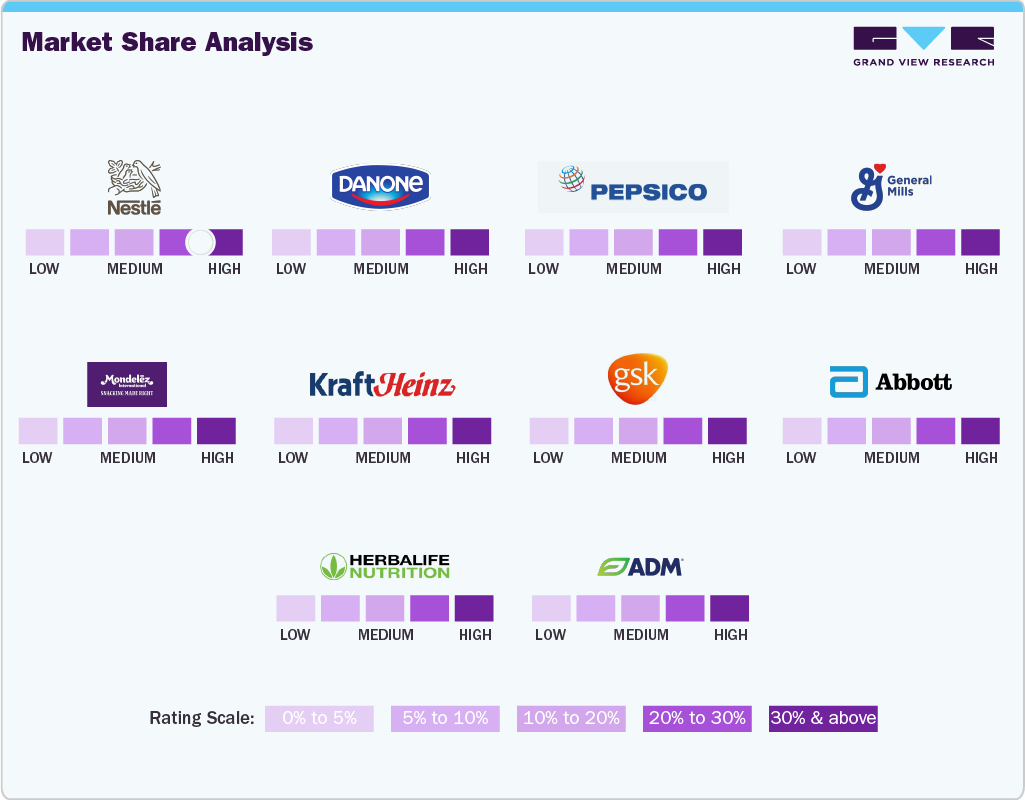
The healthy foods industry is characterized by a diverse and competitive landscape, with several key players actively shaping the industry. Major companies such as Nestlé, Danone, PepsiCo, Coca-Cola, and General Mills are prominent in this space, each expanding its portfolio to include healthier food and beverage options. For instance, Nestlé has been enhancing its offerings in the health and wellness segment, while Danone is well-known for its dairy and plant-based products. These companies leverage research and development to innovate and differentiate their products, addressing the increasing consumer demand for natural, organic, and functional foods. In addition, strategic partnerships and acquisitions are common strategies these firms employ to enhance their market presence and product variety.
Emerging players and local brands are also making significant inroads in the healthy foods industry, contributing to its fragmentation. These smaller companies often focus on niche segments such as gluten-free, vegan, or functional foods tailored to specific health needs, which resonates with consumers seeking specialized options. The competition from these local players encourages established brands to innovate continuously and adapt their offerings to meet evolving consumer demands. As a result, the market is becoming increasingly dynamic, with companies needing to stay agile to respond to trends such as plant-based diets, functional foods, and personalized nutrition solutions.
Key Healthy Foods Companies:
The following key companies have been profiled for this study on the healthy foods market.
- Nestlé S.A.
- Danone S.A.
- PepsiCo Inc.
- General Mills Inc.
- Kraft Heinz Company
- Mondelez International Inc.
- GlaxoSmithKline PLC
- Abbott Laboratories
- Herbalife Nutrition Ltd.
- Archer Daniels Midland Company
Recent Developments
-
In January 2026, PepsiCo launched Pepsi Prebiotic Cola, a traditional cola with added prebiotic fiber (3 g), low sugar (5 g), and 30 calories, marketed as a functional beverage focused on gut health and wellness.
-
In October 2025, WellBe Foods introduced a new category of vacuum-cooked snacks combining legumes, pulses, and tubers with healthier preparation methods, alongside 14 innovative clean-label snack products designed for better-for-you consumer appeal.
Healthy Foods Market Report Scope
Report Attribute
Details
Market value size in 2026
USD 1,164.4 billion
Revenue Forecast in 2033
USD 2,013.0 billion
Growth rate
CAGR of 8.1% from 2026 to 2033
Base year for estimation
2025
Historical data
2021 - 2024
Forecast period
2026 - 2033
Quantitative units
Revenue in USD million/billion, and CAGR from 2026 to 2033
Report coverage
Revenue forecast, company ranking, competitive landscape, growth factors, and trends
Segments covered
Product, distribution channel, region
Regional Scope
North America; Europe; Asia-Pacific; Central & South America; Middle East & Africa
Country scope
U.S.; Canada; Mexico; Germany; UK; France; Italy; Spain; China; Japan; Australia & New Zealand; India; South Korea; Brazil; Saudi Arabia
Key companies profiled
Nestlé S.A.; Danone S.A.; PepsiCo Inc.; General Mills Inc.; Kraft Heinz Company; Mondelez International Inc.; GlaxoSmithKline PLC; Abbott Laboratories; Herbalife Nutrition Ltd.; Archer Daniels Midland Company
Customization scope
Free report customization (equivalent up to 8 analysts’ working days) with purchase. Addition or alteration to country, regional & segment scope.
Pricing and purchase options
Avail customized purchase options to meet your exact research needs. Explore purchase options
Global Healthy Foods Market Report Segmentation
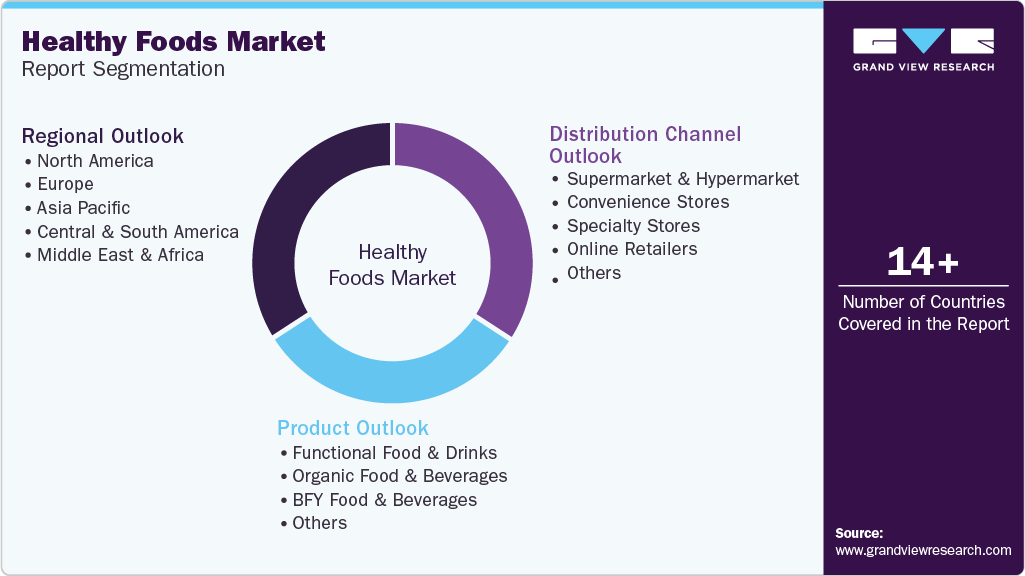
This report forecasts revenue growth at the regional and country levels and provides an analysis of the latest industry trends and opportunities in each of the sub-segments from 2021 to 2033. For this study, Grand View Research has segmented the global healthy foods market report based on the product, distribution channel, and region.
-
Product Outlook (Revenue, USD Billion, 2021 - 2033)
-
Functional Food & Drinks
-
Organic Food & Beverages
-
BFY Food & Beverages
-
Others
-
-
Distribution Channel Outlook (Revenue, USD Billion, 2021 - 2033)
-
Supermarket & Hypermarket
-
Convenience Stores
-
Specialty Stores
-
Online Retailers
-
Others
-
-
Regional Outlook (Revenue, USD Billion, 2021 - 2033)
-
North America
-
U.S.
-
Canada
-
Mexico
-
-
Europe
-
UK
-
Germany
-
France
-
Italy
-
Spain
-
-
Asia Pacific
-
Japan
-
India
-
China
-
Australia & New Zealand
-
South Korea
-
-
Central & South America
-
Brazil
-
-
Middle East & Africa
-
Saudi Arabia
-
-
Frequently Asked Questions About This Report
b. The global healthy foods market was valued at USD 1,063.3 billion in 2025 and is expected to reach USD 1,164.4 billion by 2026.
b. The global healthy foods market is expected to reach USD 2,013.0 billion by 2033 and is expected to grow at a compound annual growth rate (CAGR) of 8.1% from 2026 to 2033.
b. Some key players operating in the healthy foods market include Nestlé S.A.; Danone S.A.; PepsiCo Inc.; General Mills Inc.; Kraft Heinz Company; Mondelez International Inc.; GlaxoSmithKline PLC; Abbott Laboratories; Herbalife Nutrition Ltd.; Archer Daniels Midland Company; Chobani Global Holdings LLC; Clif Bar & Company; Dairy Farmers of America Inc.; Glanbia PLC; Yakult Honsha Co., Ltd
b. One of the most significant drivers of the health foods market is the increasing awareness of health and nutrition among consumers. As more individuals recognize the importance of a balanced diet and its impact on overall well-being, there has been a marked shift towards healthier eating habits. This trend is fueled by rising incidences of lifestyle-related diseases such as obesity and diabetes, prompting consumers to seek out foods that offer nutritional benefits and support weight management. The demand for protein-rich products, organic foods, and those free from allergens is rising as people prioritize their health through dietary choices.
b. Functional food & drinks were the largest consumed health and wellness food product with a revenue share of 52.01% in 2025. One of the primary drivers is the increased consumer interest in health and wellness.


Share this report with your colleague or friend.
Need a Tailored Report?
Customize this report to your needs — add regions, segments, or data points, with 20% free customization.


ISO 9001:2015 & 27001:2022 Certified
We are GDPR and CCPA compliant! Your transaction & personal information is safe and secure. For more details, please read our privacy policy.
Trusted market insights - try a free sample
See how our reports are structured and why industry leaders rely on Grand View Research. Get a free sample or ask us to tailor this report to your needs.