
- Home
- »
- Consumer F&B
- »
-
Health And Wellness Foods Market, Industry Report, 2033GVR Report cover
![Health And Wellness Foods Market Size, Share & Trends Report]()
Health And Wellness Foods Market (2026 - 2033) Size, Share & Trends Analysis Report By Product (Functional Foods, Organic Foods, BFY Foods, Healthy Beverages), By Distribution Channel (Supermarket & Hypermarket, Convenience Stores), By Region, And Segment Forecasts
- Report ID: GVR-4-68040-482-3
- Number of Report Pages: 109
- Format: PDF
- Historical Range: 2021 - 2025
- Forecast Period: 2026 - 2033
- Industry: Consumer Goods
- Report Summary
- Table of Contents
- Segmentation
- Methodology
- Download FREE Sample
-
 Download Sample Report
Health And Wellness Foods Market Summary
The global health and wellness foods market size was estimated at USD 1,015.0 billion in 2025 and is expected to reach USD 2,031.1 billion by 2033, growing at a CAGR of 9.1% from 2026 to 2033. Growing consumer awareness and health consciousness a crucial factors for market growth.
Key Market Trends & Insights
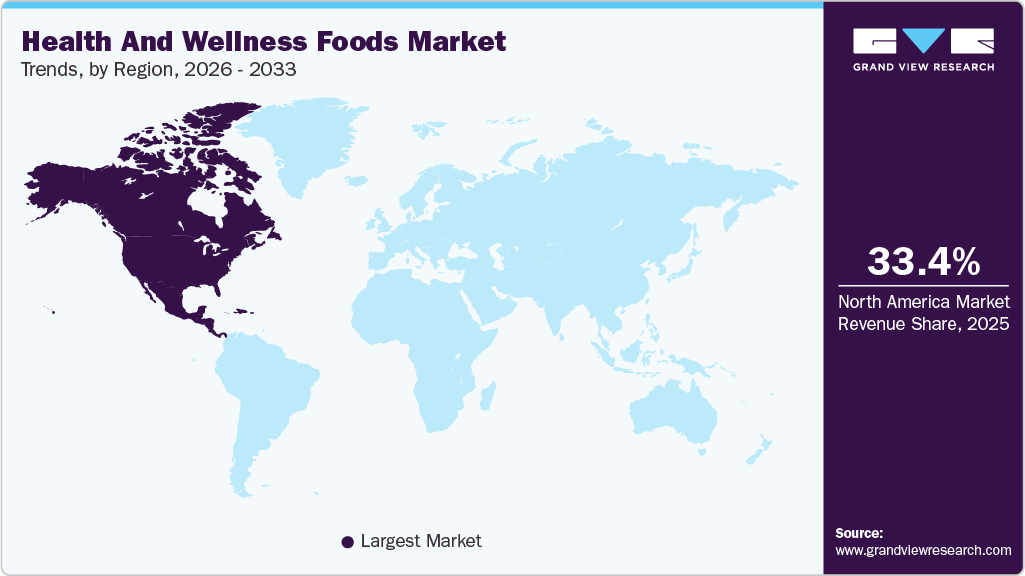
- The North America health & wellness foods market was the largest market with revenue of USD 338.8 billion in 2025.
- The health and wellness foods market in the U.S. was estimated at USD 296.5 billion in 2025.
- By product, functional food products accounted for a revenue share of 38.26% in 2025.
- By distribution channel, supermarkets and hypermarkets accounted for a revenue share of 47.38% in 2025.
Market Size & Forecast
- 2025 Market Size: USD 1,015.0 Billion
- 2033 Projected Market Size: USD 2,031.1 Billion
- CAGR (2026-2033): 9.1%
- North America: Largest market in 2025
Consumers are increasingly aware of the impact of diet on overall health. This awareness has led to a surge in demand for foods that provide functional benefits, such as enhanced immune support, weight management, and digestive health. The COVID-19 pandemic has particularly heightened this focus on health, prompting individuals to prioritize products that support overall well-being.An aging population is also driving demand for healthier food options as older adults seek to maintain their health and vitality through better nutrition. In addition, rising disposable incomes in emerging markets enable more consumers to invest in premium health-oriented products. In addition, the prevalence of lifestyle-related diseases, such as obesity and diabetes, has prompted consumers to seek healthier food options. Awareness of these conditions has fueled interest in foods that promote weight management and overall health.
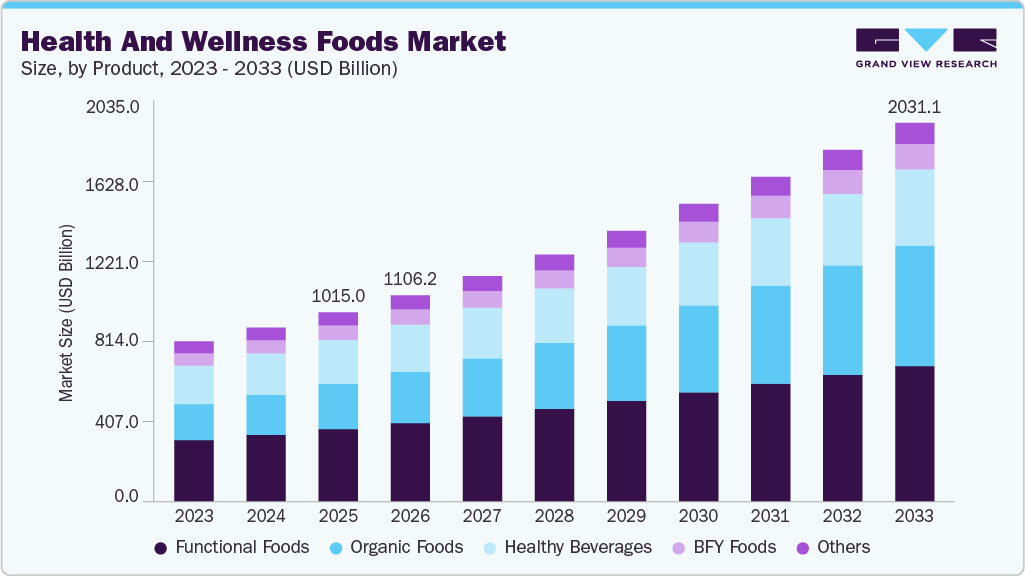
There is a growing focus on plant-based foods as it is perceived as a healthy food option. Consumers are opting for foods rich in essential nutrients, fiber, and antioxidants while being lower in saturated fats and cholesterol. This shift is driven by health benefits associated with plant-based diets, including reduced risks of chronic diseases such as heart disease and diabetes. In addition, there is a growing demand for protein-rich food products as consumers seek to support a healthy lifestyle. This trend encompasses traditional protein sources and plant-based proteins and supplements, reflecting a broader shift towards health-oriented eating habits.
Consumers are actively seeking foods that offer specific health benefits beyond basic nutrition. Functional foods, i.e., foods fortified with vitamins, minerals, probiotics, and other beneficial ingredients-are gaining popularity as individuals look to enhance their immune function, manage weight, and support overall health. The demand for clean-label products is rising as consumers prefer foods with transparent ingredient lists free from artificial additives. This movement reflects a broader desire for simplicity and authenticity in food choices, prompting manufacturers to develop products emphasizing natural ingredients and minimal processing.
The trend towards healthier snacking options is becoming mainstream as consumers seek convenient yet nutritious alternatives to traditional snacks. Products that are low in calories, high in protein, and rich in nutrients are increasingly favored. The companies are responding with innovative offerings such as protein bars, baked snacks, and nutrient-dense treats. The shift towards an at-home lifestyle has accelerated online grocery shopping, making it easier for consumers to access health-focused products. Brands are enhancing their online presence to cater to this growing demand for convenience and contactless purchasing options.
The critical challenge for the market is the high cost of health-beneficial products. The perception that health and wellness foods are premium products can deter consumers from purchasing them. Many healthier options are priced higher due to quality ingredients and specialized production methods, making them less accessible to price-sensitive consumers. Despite the growing interest, there remains a significant gap in consumer education regarding the benefits of health and wellness foods. Many consumers do not fully understand the nutritional advantages or may be misled by marketing claims, which can hinder market penetration.
Consumer Insights For Health And Wellness Foods Market
Younger generations, Millennials and Gen Z, are disproportionately represented among health and wellness food consumers. Over 60% of health-focused purchases in markets like the U.S. are made by these cohorts, with many showing strong preferences for non-GMO, organic, and functional foods. This demographic group also tends to prioritize lifestyle wellness, including diet, fitness, stress management, and long-term preventive health as part of their broader consumption philosophy.
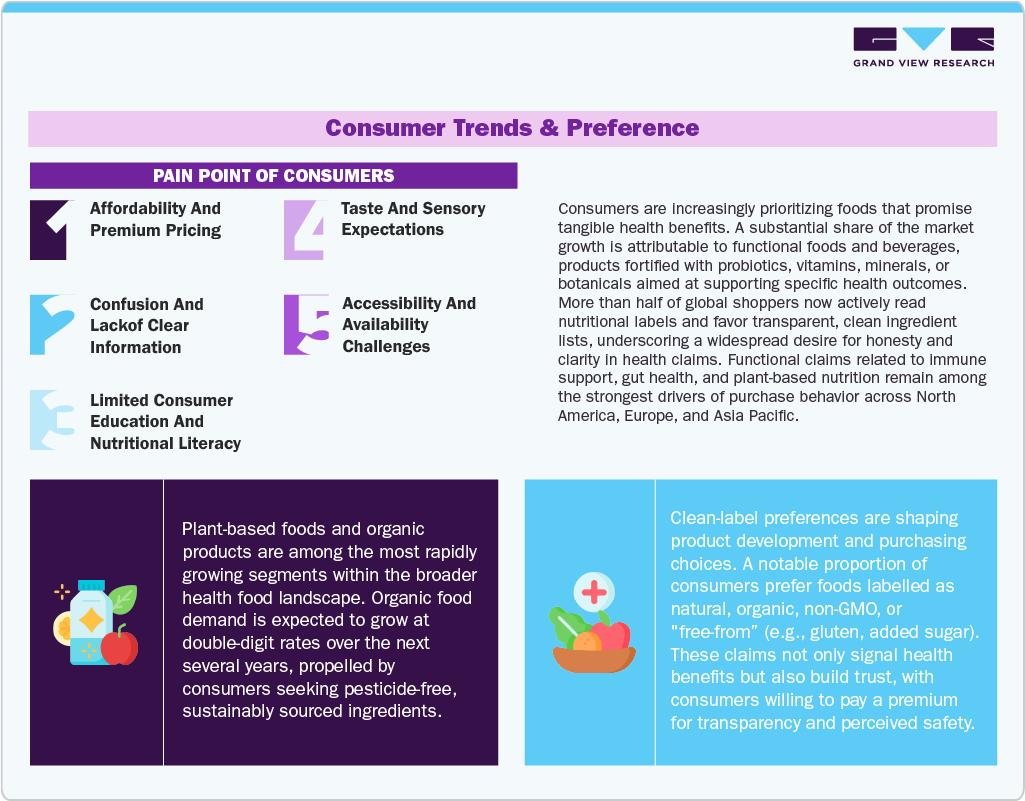
The way consumers access health and wellness foods is evolving alongside their preferences. While traditional supermarkets and health food stores remain important channels, online and e-commerce platforms have become critical for growth, particularly among younger buyers. These digital channels provide expanded product variety, user reviews, and personalized recommendation tools that align with the desire for informed purchasing decisions.
Product Insights
The functional foods market accounted for a revenue share of 38.26% in 2025 in the global market. Consumers are becoming more conscious of their health and the role of diet in preventing chronic diseases. This awareness leads to a higher demand for foods that offer specific health benefits, such as improved immunity, digestive health, and heart health. There is a rising interest in foods fortified with vitamins, minerals, and other beneficial ingredients. This trend is powerful among populations concerned about nutrient deficiencies due to hectic lifestyles and dietary restrictions.
The rise in preventive healthcare is expected to remain a key driver for market growth. Functional foods are crucial in preventive healthcare because they offer specific health benefits beyond essential nutrition. They can be fortified, enriched, altered, or enhanced to provide additional health benefits. The market is influenced by consumer trends such as increasing health consciousness and demand for personalized nutrition. The industry responds with increased R&D and marketing strategies focused on health claims.
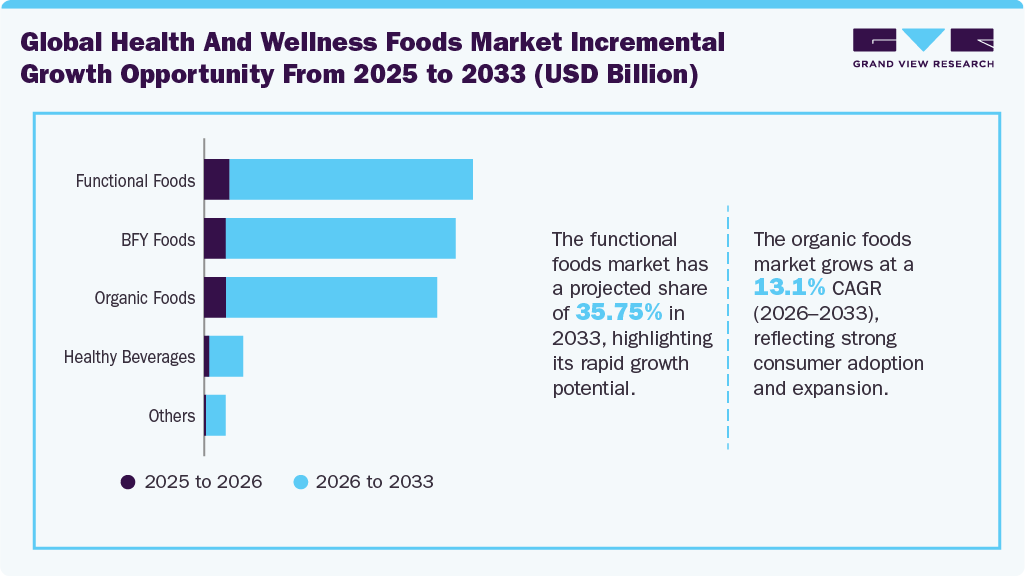
The organic foods market is expected to grow at a CAGR of 13.1% over the forecast period, primarily due to improved consumer awareness about their benefits. Consumers are becoming more aware of the health benefits of organic foods, which are perceived as free from synthetic pesticides, genetically modified organisms (GMOs), and artificial additives. This awareness has led to a willingness to pay a premium for organic products, particularly in larger economies with higher access to information and disposable income. The association of organic food with a healthier lifestyle significantly influences purchasing decisions.
Government initiatives promoting organic farming and stringent certification processes bolster consumer confidence in organic products. These regulations ensure that organic food producers adhere to strict guidelines, making it easier for consumers to identify genuine organic products on the market. As awareness of these certifications grows, so does consumer trust in the authenticity of organic offerings. Integrating organic products into mainstream retail channels has made them more accessible to a broader audience. Major supermarket chains are dedicating more shelf space to organic items, while restaurants incorporate organic options into their menus, further normalizing their consumption. This accessibility expands consumer reach and enhances awareness of the benefits associated with organic farming.
Distribution Channel Insights
Sales of health & wellness foods through supermarkets and hypermarkets accounted for a market share of 47.38% in 2025. Supermarkets and hypermarkets play a crucial role in promoting health and wellness foods. Supermarkets serve as major distribution channels for health and wellness foods, providing a wide range of products under one roof. This convenience caters to consumers seeking quick access to nutritious options, making incorporating healthy foods into their diets easier. The variety available helps meet diverse dietary needs and preferences.
Many supermarkets employ registered dietitians to provide personalized nutrition counseling, conduct store tours, and offer workshops. This educational approach empowers consumers to make informed dietary choices, helping them navigate the landscape of health and wellness foods. By integrating health professionals into their operations, these retailers position themselves as trusted sources of nutritional information.
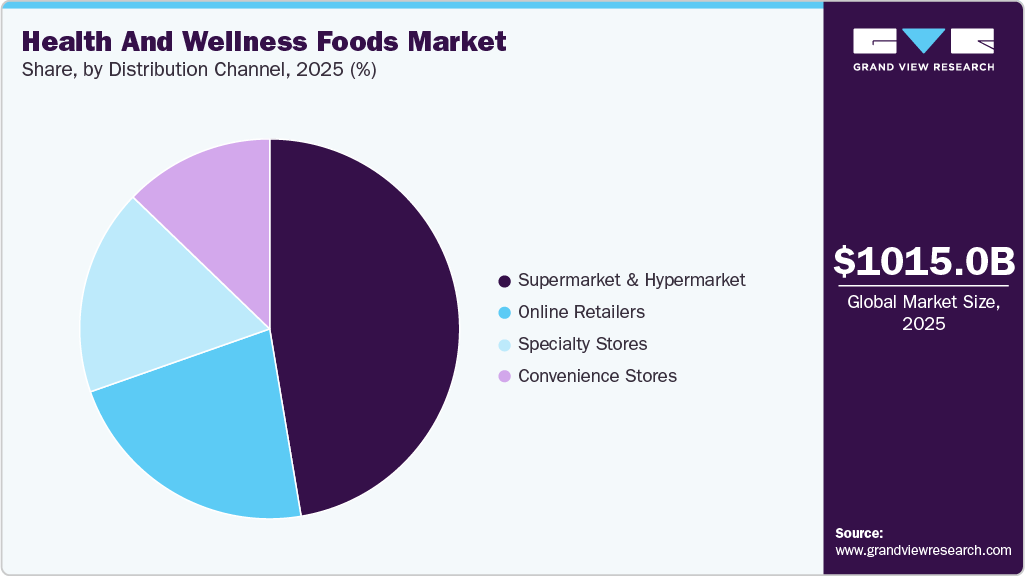
Sales of health & wellness foods through the online sales segment are expected to grow at a CAGR of 10.9% from 2026 to 2033. The convenience offered by e-commerce is a significant driver for the online sales of health and wellness foods. Consumers appreciate the ability to browse extensive product selections, read nutritional information, and compare prices without visiting physical stores. Many brands are adopting D2C models, eliminating traditional retail barriers and allowing manufacturers to sell directly to consumers via online platforms. This approach enhances product visibility and provides consumers with access to exclusive products and promotions that may not be available in stores. The rise of mobile commerce is another factor contributing to online sales growth in this sector. Consumers increasingly use smartphones to shop for health and wellness foods, leading retailers to optimize their websites and apps for mobile users.
Regional Insights
The North America health & wellness foods market held the largest market share in 2025. Rising health awareness is expected to be a key driver for market growth in the region. The growing awareness has resulted in a shift in dietary habits. Individuals actively seek functional foods that contribute to overall health, reflecting a broader trend toward healthier lifestyles. The growing incidence of health issues such as obesity and diabetes has heightened consumer focus on nutrition. North America has a high prevalence of obesity, which has resulted in consumers seeking healthier food options. The rising popularity of plant-based diets is driving market growth. Consumers are increasingly choosing plant-based foods due to their perceived health benefits and lower environmental impact than animal-derived products.
U.S. Health And Wellness Foods Market Trends
The health and wellness foods market in the U.S. is expected to grow at a CAGR of 9.1% over the forecast period. The clean label trend in the U.S. encompasses a growing preference for organic products, free from artificial additives, and made with recognizable ingredients. This trend is supported by increasing consumer willingness to pay higher prices for clean-label products, as evidenced by studies indicating that 71% of consumers are open to spending more on these options. Advances in food technology allow manufacturers to create products that meet clean label criteria without compromising on taste or shelf life. This innovation is essential for catering to the evolving preferences of health-conscious consumers.
Europe Health And Wellness Foods Market Trends
In Europe, rising health consciousness and preventive nutrition awareness are foundational drivers of growth in the health and wellness foods market. Consumers increasingly seek foods that support immunity, better-for-you, digestive health, cardiovascular well-being, and overall vitality rather than merely satisfying hunger, reflecting a proactive approach to health management rather than reactive treatment. This shift has intensified demand for functional foods enriched with probiotics, vitamins, minerals, and antioxidants, with surveys indicating that a significant majority of European adults actively seek products promoting holistic wellness outcomes.
The German health & wellness foods market is a key European market for functional foods and is expected to grow at a significant CAGR from 2026 to 2033. German consumers prefer organic food, which is closely linked to the demand for functional foods. Consumers are increasingly inclined to choose products made from natural ingredients over processed options. This trend is reflected in the significant growth of organic food consumption, which is expected to continue driving the demand for functional foods. Germany's aging demographic is an essential driver of the functional foods market. As the population ages, there is an increasing focus on products that support health issues prevalent among older adults, such as digestive health and cognitive function. Functional foods targeting these specific needs are gaining traction.
Asia Pacific Health And Wellness Foods Market Trends
The health and wellness food market in the Asia Pacific is expected to grow at a CAGR of 9.5% from 2026 to 2033. Rising demand in countries such as China, India, and Japan are significant market growth driver. Rapid urbanization in many Asian countries is leading to lifestyle changes, including dietary habits. An increasing middle-class population with higher disposable incomes is more willing to invest in health-focused food products, contributing to market growth. Strong cultural influences on dietary habits in Asian countries promote market growth. Traditional wellness practices, such as Ayurveda and traditional Chinese medicine, significantly influence Asian nutritional choices. These practices encourage the consumption of natural and functional foods that align with a health-oriented lifestyle.
The health and wellness foods market in India is projected to grow at a significant CAGR from 2026 to 2033. In India, the health & wellness foods market is being propelled by rapidly rising health consciousness and preventive healthcare orientation among consumers. Urban and semi-urban populations are increasingly shifting their diets toward functional foods, fortified products, and nutrition-rich alternatives to address rising incidences of lifestyle diseases such as diabetes, obesity, and cardiovascular conditions. This awareness is amplified through fitness culture, wellness influencers, and digital health platforms, which collectively reinforce the notion that food is a key component of personal health management.
Key Health & Wellness Foods Company Insights
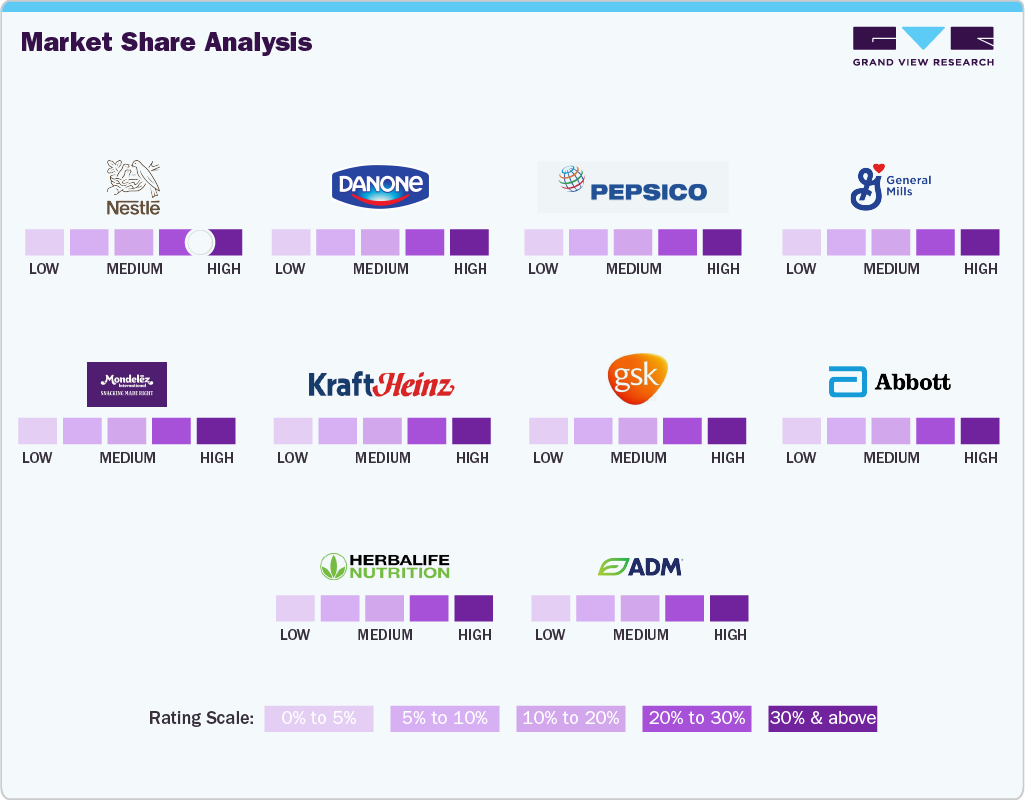
The global health and wellness foods market is dominated by large multinational food and beverage companies that leverage deep retail distribution, global branding, extensive R&D, and diversified portfolios to meet evolving consumer preferences for nutrition-forward foods. These companies continuously reformulate mainstream products to incorporate health-driven attributes such as functional ingredients, lower sugar/sodium content, plant-based alternatives, and clean labels.
Key Health And Wellness Foods Companies:
The following key companies have been profiled for this study on the health & wellness foods market.
- Nestlé S.A.
- Danone S.A.
- PepsiCo Inc.
- General Mills Inc.
- Kraft Heinz Company
- Mondelez International Inc.
- GlaxoSmithKline PLC
- Abbott Laboratories
- Herbalife Nutrition Ltd.
- Archer Daniels Midland Company
Recent Developments
-
In May 2025, PepsiCo completed the acquisition of Poppi, a prebiotic soda brand, for approximately USD 1.95 billion. This move strengthens PepsiCo’s position in the functional beverage and gut-health segment, enabling it to tap into rising consumer demand for prebiotic and low-sugar wellness drinks.
-
In February 2025, Celsius Holdings acquired Alani Nutrition for around USD 1.8 billion, reinforcing its presence in the better-for-you drinks category. Alani Nutrition is known for its energy and wellness beverage offerings, and this acquisition reflects broader industry consolidation around health-focused brands with strong consumer traction.
Health And Wellness Foods Market Report Scope
Report Attribute
Details
Market value size in 2026
USD 1,106.2 billion
Revenue forecast in 2033
USD 2,031.1 billion
Growth rate (Revenue)
CAGR of 9.1% from 2026 to 2033
Actuals
2021 - 2025
Forecast period
2026 - 2033
Quantitative (Revenue) units
Revenue in USD million/billion, and CAGR from 2026 to 2033
Report coverage
Revenue forecast, company ranking, competitive landscape, growth factors, and trends
Segments covered
Product, distribution channel, region
Regional Scope
North America; Europe; Asia Pacific; Central & South America; Middle East & Africa
Country scope
U.S.; Canada; Mexico; Germany; UK; France; Italy; Spain; China; Japan; Australia; India; South Korea; Brazil; Saudi Arabia
Key companies profiled
Nestlé S.A.; Danone S.A.; PepsiCo Inc.; General Mills Inc.; Kraft Heinz Company; Mondelez International Inc.; GlaxoSmithKline PLC; Abbott Laboratories; Herbalife Nutrition Ltd.; Archer Daniels Midland Company
Customization scope
Free report customization (equivalent up to 8 analysts’ working days) with purchase. Addition or alteration to country, regional & segment scope.
Pricing and purchase options
Avail customized purchase options to meet your exact research needs. Explore purchase options
Global Health And Wellness Foods Market Segmentation
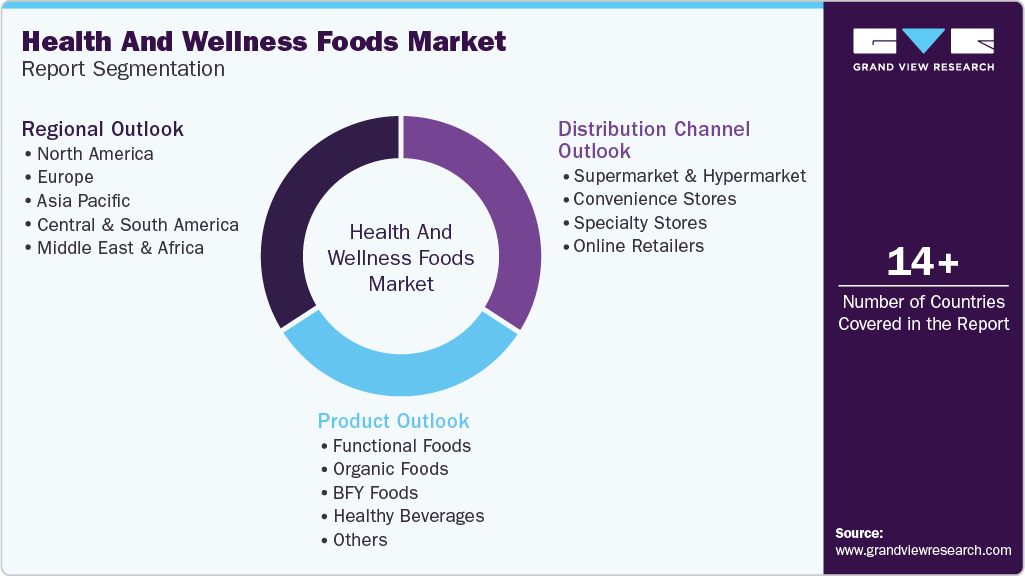
This report forecasts revenue growth at the regional and country levels and provides an analysis of the latest industry trends and opportunities in each of the sub-segments from 2021 to 2033. For this study, Grand View Research has segmented the health and wellness foods market report on the basis of product, distribution channel, and region.
-
Product Outlook (Revenue, USD Billion, 2021 - 2033)
-
Functional Foods
-
Organic Foods
-
BFY Foods
-
Healthy Beverages
-
Others
-
-
Distribution Channel Outlook (Revenue, USD Billion, 2021 - 2033)
-
Supermarket & Hypermarket
-
Convenience Stores
-
Specialty Stores
-
Online Retailers
-
-
Regional Outlook (Revenue, USD Billion, 2021 - 2033)
-
North America
-
U.S.
-
Canada
-
Mexico
-
-
Europe
-
UK
-
Germany
-
France
-
Italy
-
Spain
-
-
Asia Pacific
-
Japan
-
India
-
China
-
Australia
-
South Korea
-
-
Central & South America
-
Brazil
-
-
Middle East & Africa
-
Saudi Arabia
-
-
Frequently Asked Questions About This Report
b. Some key players operating in the health and wellness foods market include Nestlé S.A., Danone S.A., PepsiCo Inc., General Mills Inc., Kraft Heinz Company, Mondelez International Inc., GlaxoSmithKline PLC, Abbott Laboratories, Herbalife Nutrition Ltd., Archer Daniels Midland Company, Chobani Global Holdings LLC, Clif Bar & Company, Dairy Farmers of America Inc., Glanbia PLC, Yakult Honsha Co., Ltd.
b. Key factors driving the growth of the health and wellness foods market include growing consumer awareness and health consciousness, a surge in demand for functional foods that provide benefits such as enhanced immune support, weight management, and digestive health, and rising disposable incomes in emerging markets.
b. The global health and wellness foods market size was estimated at USD 1,015.0 billion in 2025 and is expected to reach USD 1,106.2 billion in 2026.
b. The global health and wellness foods market is expected to grow at a compound annual growth rate of 9.1% from 2026 to 2033 to reach USD 2,031.1 billion in 2033.
b. Functional foods were the largest consumed health and wellness food product with a revenue share of 38.26% in 2025. Consumers are becoming more conscious of their health and the role of diet in preventing chronic diseases.


Share this report with your colleague or friend.
Need a Tailored Report?
Customize this report to your needs — add regions, segments, or data points, with 20% free customization.


ISO 9001:2015 & 27001:2022 Certified
We are GDPR and CCPA compliant! Your transaction & personal information is safe and secure. For more details, please read our privacy policy.
Trusted market insights - try a free sample
See how our reports are structured and why industry leaders rely on Grand View Research. Get a free sample or ask us to tailor this report to your needs.