- Home
- »
- Animal Health
- »
-
Pet Medicine Market Size And Share, Industry Report, 2033GVR Report cover
![Pet Medicine Market Size, Share & Trends Report]()
Pet Medicine Market (2026 - 2033) Size, Share & Trends Analysis Report By Product (Biologics, Pharmaceuticals), By Pet (Dogs & Cats), By Route of Administration, By Drug Type (Branded & Generic), By Distribution Channel, By Region (North America, Europe, Asia Pacific, Middle East & Africa), And Segment Forecasts
- Report ID: GVR-4-68040-874-6
- Number of Report Pages: 150
- Format: PDF
- Historical Range: 2021 - 2025
- Forecast Period: 2026 - 2033
- Industry: Healthcare
- Report Summary
- Table of Contents
- Segmentation
- Methodology
- Download FREE Sample
-
 Download Sample Report
Pet Medicine Market Summary
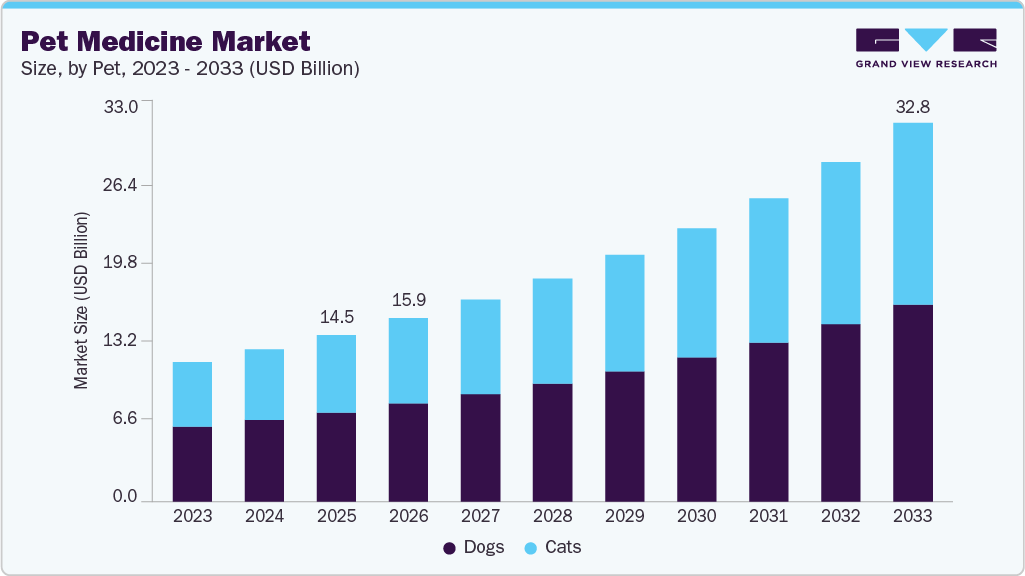
The global pet medicine market size was estimated at USD 14.5 billion in 2025 and is projected to reach USD 32.8 billion by 2033, growing at a CAGR of 10.9% from 2026 to 2033. The industry is growing due to rising chronic diseases in dogs and cats, expansion of vaccination and preventive care programs, innovation in veterinary therapeutics and biologics, and increasing funding for companion animal research.
Key Market Trends & Insights
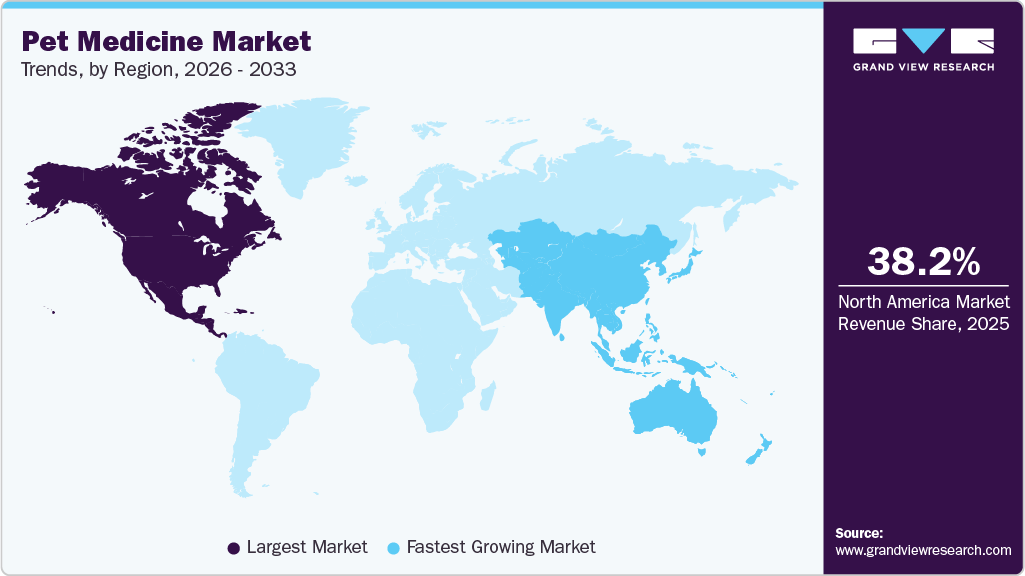
- North America pet medicine market held the largest revenue share of 38.2% in 2025.
- U.S. dominated the North American region with the largest revenue share in 2025.
- By product, pharmaceuticals held the largest share of 58.9% of the market in 2025.
- By pet, the dogs segment held the largest share in 2025.
- Based on the route of administration, the injectable segment held the largest share in 2025.
Market Size & Forecast
- 2025 Market Size: USD 14.5 Billion
- 2033 Projected Market Size: USD 32.8 Billion
- CAGR (2026-2033): 10.9%
- North America region: Largest market in 2025
- Asia Pacific region: Fastest growing market
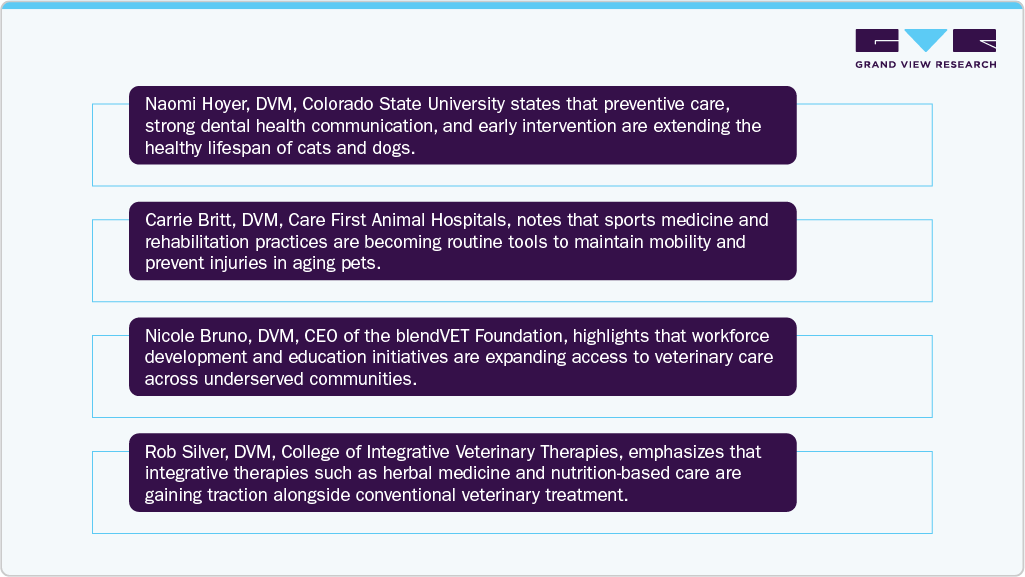
A key driver for the market is rapid innovation in veterinary therapeutics and biologics that is expanding treatment options for chronic and complex diseases in companion animals. Pharmaceutical companies and veterinary research groups are introducing advanced therapies that mirror innovations seen in human medicine, which is increasing clinical adoption and improving treatment outcomes for pets. One such instance is the February 2026 approval of Merck & Co.’s NUMELVI (atinvicitinib tablets) by the FDA; this product is used for dogs suffering from allergic dermatitis. The therapy is a second-generation Janus kinase (JAK) inhibitor designed to control pruritus associated with allergic skin diseases in dogs. The product received approval from the FDA and is the first veterinary therapy in its class, providing once-daily treatment that directly targets inflammatory cytokine pathways responsible for itching and skin inflammation.Biologic therapies are also gaining traction in pet medicine. Companies such as Zoetis are investing in monoclonal antibody research for animals. These therapies are designed to target specific disease pathways with high precision and have already been used to manage conditions such as chronic pain and inflammatory disorders in companion animals. Their mechanism of action resembles biologic treatments widely used in human medicine, which highlights the convergence of human and veterinary drug innovation. Another area of rapid advancement is regenerative medicine. Veterinary researchers are increasingly exploring stem cell therapy for pets to treat degenerative conditions such as osteoarthritis and orthopedic injuries. These therapies involve collecting and processing stem cells from the animal and reintroducing them into damaged tissues to promote healing and tissue regeneration. Veterinary clinics are testing these treatments as alternatives to invasive surgery or long-term medication in dogs and cats.
Precision medicine and immunotherapy are also emerging as high-growth areas. Research initiatives are studying targeted immune therapies and genomic approaches to treat diseases such as cancer in companion animals. These programs aim to personalize treatment strategies based on genetic or molecular disease profiles, which can improve treatment success rates and reduce adverse effects. To conclude, advances in biologics, regenerative medicine, and targeted pharmaceuticals are reshaping the pet medicine sector. These innovations are expanding the therapeutic pipeline and driving higher demand for advanced veterinary treatments.
Market Concentration & Characteristics
The pet medicine sector shows moderate to high industry concentration, led by established global animal health companies. Major firms such as Zoetis Inc., Boehringer Ingelheim International GmbH, Merck & Co., Inc., and Elanco Animal Health hold strong market positions through extensive product portfolios, R&D investment, and global distribution networks. Other companies, including Dechra Pharmaceuticals PLC, Ceva Santé Animale, Virbac, Phibro Animal Health Corporation, Bimeda Corporate, and Biogénesis Bagó, compete through targeted therapies, vaccines, and regional expansion strategies. Competition centers on product innovation, regulatory approvals, and portfolio expansion.
The industry shows a high degree of innovation as companies and research institutions develop advanced therapies, biologics, and precision treatments for companion animals. Pet medicine is expanding beyond traditional pharmaceuticals toward targeted therapies and personalized care models. Emerging innovations include immunotherapies and advanced biologics that address chronic diseases in pets such as cancer, dermatological disorders, and metabolic conditions. Precision pet medicine is gaining traction as companies integrate genomic testing, predictive analytics, and data-driven treatment pathways. These developments are improving disease detection and enabling individualized therapeutic strategies for dogs and cats. The ongoing shift toward biologics, genetic analysis, and specialized therapies is accelerating technological advancement in the global pet medicine sector.
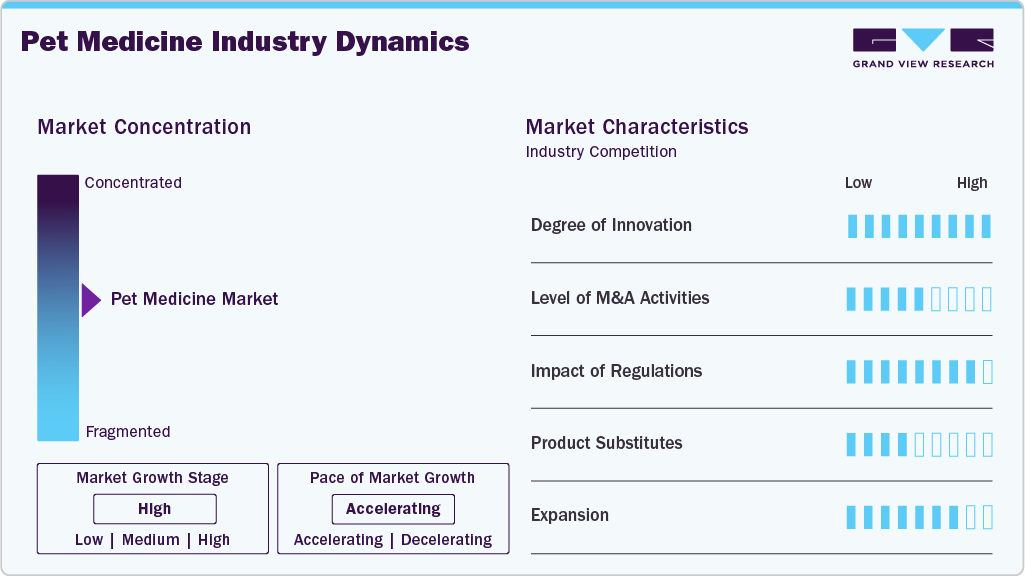
The industry is witnessing steady merger and acquisition activity as companies aim to strengthen research capabilities, expand portfolios, and gain access to advanced technologies. Strategic acquisitions allow large animal health firms to integrate new scientific platforms and expand their presence in emerging segments such as precision animal medicine and genomics. For instance, in February 2026, Zoetis Inc. announced an agreement to acquire the animal genomics business of Neogen Corporation for approximately USD 160 million. The transaction is expected to strengthen Zoetis’ capabilities in predictive genetic analysis and precision animal health technologies that support individualized veterinary care. This type of consolidation activity reflects the industry’s focus on advanced diagnostics and data-driven veterinary treatment development.
Regulatory oversight plays a critical role in shaping the sector by influencing product approvals, safety monitoring, and veterinary prescribing practices. Governments and regulatory agencies closely evaluate veterinary drugs, biologics, and vaccines before market entry to protect animal health and public safety. These regulations affect development timelines, clinical testing requirements, and commercialization strategies for pharmaceutical companies. In some regions, regulatory authorities have also imposed restrictions or bans on certain veterinary drugs that may harm wildlife or ecosystems, leading to product withdrawals and changes in treatment protocols. At the same time, regulatory frameworks governing vaccination programs and veterinary prescribing practices support disease prevention efforts and promote responsible use of animal health therapeutics.
Alternative medicine represents a product substitute to the traditional pet medicines. Pet owners are increasingly exploring complementary therapies such as herbal medicine, homeopathy, Ayurveda, and traditional Chinese veterinary medicine for managing common conditions in dogs and cats. Herbal remedies, plant-based supplements, and natural functional ingredients are often used for digestive health, immune support, and inflammatory conditions in pets. These alternative treatment approaches appeal to pet owners seeking natural therapies, which may partially substitute conventional pharmaceutical products in certain preventive or wellness applications.
Companies in the industry are expanding their product portfolios to address chronic diseases, dermatological disorders, parasitic infections, and metabolic conditions affecting dogs and cats. Growth is supported by increasing investments in veterinary oncology, immunotherapy research, and early disease detection technologies. Expansion is occurring across both developed and emerging markets as veterinary infrastructure improves and pet owners seek advanced treatment options. Strategic collaborations between pharmaceutical companies, research institutions, and veterinary hospitals are strengthening the innovation pipeline and supporting the global expansion of the pet medicine industry.
Product Insights
By product, the pharmaceuticals segment dominated the market with the largest revenue share of 58.9% in 2025. The segment comprises anti-inflammatories, parasiticides, antibiotics, and other drugs. The segment is dominating as these drugs remain the primary treatment option for common and chronic diseases in pets. High disease prevalence among dogs and cats drives continuous demand for anti-infectives, dermatology drugs, pain management therapies, and metabolic treatments. Conditions such as obesity, osteoarthritis, and infectious diseases require long-term pharmaceutical management. Regular veterinary prescriptions and strong compliance with drug-based therapies sustain market demand. Expanding product portfolios from leading animal health companies and the availability of multiple therapeutic classes continue to strengthen the revenue contribution of pharmaceuticals within the pet medicine sector.
The biologics segment is expected to grow at the fastest CAGR over the forecast period, driven by increasing adoption of vaccines, monoclonal antibodies, and advanced immunotherapies for companion animals. Rising focus on preventive healthcare and disease control programs is accelerating vaccine uptake in dogs and cats. Biologic therapies are gaining interest as they offer targeted treatment mechanisms and improved safety profiles compared with conventional drugs. Expanding research in veterinary immunology and precision medicine is also contributing to biologics growth. Continuous product development by major animal health companies and increasing investments in innovative biologic platforms are strengthening this segment’s long-term expansion.
Pet Insights
On the basis of pet, the dogs segment dominated with the largest revenue share in 2025, driven by high healthcare spending on canine companions and the rising prevalence of chronic conditions. Obesity affects approximately 25-30 % of dogs in North America, while osteoarthritis impacts millions of adult dogs, creating consistent demand for pharmaceuticals, nutraceuticals, and joint-support therapies. Large-scale vaccination programs, including rabies immunization campaigns, also contribute to sustained treatment uptake. Combined, these factors, alongside increasing pet ownership and owner willingness to invest in preventive and therapeutic care, reinforce the revenue dominance of the canine segment.
The cats segment is projected to grow at the fastest rate, driven by rising adoption rates, particularly among younger demographics in Europe and Canada, and increased focus on feline health management. Cats are more susceptible to infectious and age-related diseases, driving demand for vaccines, preventive medications, and therapeutic treatments. Companies are expanding product portfolios tailored to cats, including disease-specific drugs and advanced biologics. Growing pet owner awareness of early disease detection, nutrition, and wellness interventions further supports rapid adoption of veterinary solutions, positioning the feline segment for accelerated market growth over the forecast period.
Drug Type Insights
By drug type, the branded segment dominated the market in 2025, supported by strong consumer trust, established efficacy, and comprehensive support from major animal health companies. High adoption of well-known vaccines, therapeutics, and specialty pharmaceuticals for dogs and cats ensures consistent demand. Brand recognition, regulatory approvals, and proven safety profiles maintain preference among veterinarians and pet owners, driving the segment’s revenue leadership.
The generic segment is projected to register the fastest CAGR during the forecast period, driven by rising demand for cost-effective veterinary treatments and broader access to essential medications. Expiring patents on key pharmaceuticals enable the introduction of generics, increasing market penetration. Growing price sensitivity among pet owners, combined with expanding regulatory pathways for approval, fuels the adoption of generic drugs for common canine and feline conditions.
Distribution Channel Insights
On the basis of distribution channel, veterinary hospitals and clinics constituted the largest revenue share in 2025. This channel serves as the primary point of care for dogs and cats, offering prescription drugs, vaccines, and specialized treatments. Veterinarians’ professional recommendations and mandatory vaccination programs drive consistent demand. Direct access to clinical services ensures proper dosing, monitoring, and adherence, reinforcing hospitals and clinics as the dominant distribution channel.
The E-commerce segment is expected to grow at the fastest CAGR over the forecast period. Some of the key driving factors for this segment are rising online pet product adoption, convenience, and broader accessibility of pharmaceuticals, nutraceuticals, and wellness products. Pet owners increasingly purchase preventive treatments, supplements, and specialty medications through digital platforms. Expanding online veterinary services, subscription models, and doorstep delivery enhance convenience, supporting rapid adoption of e-commerce as a distribution channel for companion animal healthcare.
Route of Administration Insights
On the basis of route of administration, the injectable segment held the largest revenue share in 2025, owing to its critical role in delivering vaccines, biologics, and therapeutic drugs with high efficacy and rapid onset. Core and non-core vaccination programs for dogs and cats rely heavily on injectable formulations to prevent infectious diseases such as rabies, panleukopenia, and distemper. Additionally, chronic disease management, including immunotherapies, monoclonal antibodies, and pain-control treatments, increasingly uses injectable administration. Strong clinical adoption, regulatory acceptance, and the requirement for precise dosing further reinforce injectables as the dominant route in the industry.
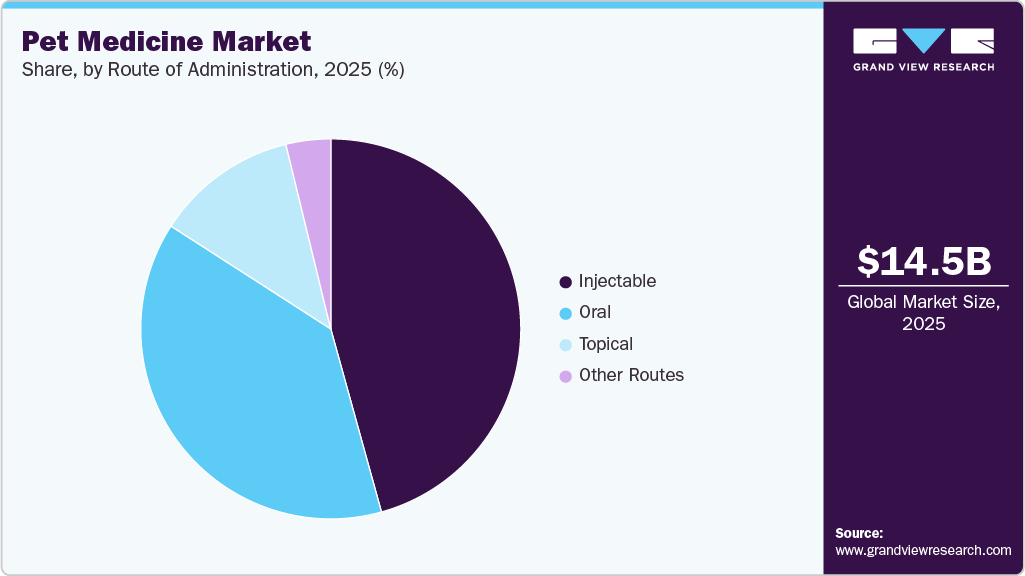
The topical route represents the fastest growing segment, driven by increasing demand for convenient, owner-friendly treatments for parasite control, dermatological conditions, and localized therapies. Products such as flea and tick preventives, medicated shampoos, and topical pain relief formulations offer ease of administration, improve owner compliance, and reduce stress for pets. Rising awareness of skin and coat health, combined with broader adoption of over-the-counter veterinary topical products, is stimulating growth. Advances in transdermal drug delivery and combination therapies further enhance the commercial potential of topical formulations in companion animal care.
Regional Insights
North America pet medicine market dominated with the largest revenue share of 38.2% in 2025. The market is driven by high pet ownership, strong consumer spending on companion animal health, and widespread adoption of preventive care. The region exhibits a high prevalence of chronic conditions in dogs and cats, including obesity, osteoarthritis, and dermatological disorders, which sustains demand for pharmaceuticals, biologics, and nutraceuticals. Well-established veterinary infrastructure, including hospitals, clinics, and specialty practices, facilitates access to advanced treatments and vaccination programs. Robust R&D activity, coupled with corporate and nonprofit investments in pet healthcare, further strengthens North America’s leadership in the global market.
U.S. Pet Medicine Market Trends
The pet medicine market in the U.S. accounted for the highest share in the North America region, owing to high pet adoption rates and strong consumer willingness to invest in pet care. Chronic diseases, including osteoarthritis in dogs and hyperthyroidism in cats, create sustained demand for pharmaceuticals and biologics. Advanced veterinary infrastructure, widespread specialty clinics, and proactive preventive care programs support high treatment uptake. Corporate funding and academic collaborations enhance innovation and treatment accessibility. Regulatory support for veterinary approvals further facilitates market growth.
The Mexico pet medicine marketis expected to grow at the fastest CAGR during the forecast perioddue to rising pet ownership and increasing awareness of preventive healthcare. Expanding veterinary networks, growing access to pharmaceuticals, and emerging e-commerce channels support treatment adoption. Additionally, rising disposable incomes and urbanization are encouraging investments in advanced therapies and wellness products for dogs and cats.
Europe Pet Medicine Market Trends
The pet medicine market in Europe is shaped by increasing companion animal adoption, particularly cats, and rising focus on preventive care. Chronic conditions such as obesity, osteoarthritis, and cardiac disorders drive demand for pharmaceuticals and biologics. Growing investments in veterinary R&D, academic collaborations, and specialized clinics enhance treatment accessibility. Supportive regulations for vaccination programs and animal welfare initiatives, alongside expanding e-commerce for pet healthcare products, are accelerating market growth across major European countries.
The UK pet medicine market is characterized by structured veterinary regulations, high pet ownership, and increasing spending on pet health. Mandatory vaccination programs and stringent licensing for veterinary drugs ensure safe and standardized treatment delivery. Rising prevalence of infectious and chronic diseases in dogs and cats drives demand for pharmaceuticals, biologics, and preventive therapies. Innovations such as all-in-one parasite-control products enhance compliance and convenience. Trade agreements with India improve access to competitively priced veterinary drugs, supporting supply continuity and market expansion.
The pet medicine market in Denmark is expected to grow at the fastest rate over the forecast period. The country’s growth is influenced by strong government-led animal welfare initiatives and public health programs. Collaborative efforts, such as the “Together for Animals” initiative (2024-2027), focus on improving companion animal health and preventive care. Active policy interventions and regulatory oversight encourage the adoption of innovative treatments. The presence of local players like Dechra Pharmaceuticals, supported by efficient logistics infrastructure, strengthens market supply. Growing public awareness and engagement in pet wellness further stimulate demand for veterinary pharmaceuticals, biologics, and advanced therapies.
Asia Pacific Pet Medicine Market Trends
The pet medicine market in Asia Pacific is expected to grow at the fastest CAGR over the forecast period. The region's growth can be attributed to heightened awareness of preventive care. The growing prevalence of chronic conditions in cats and dogs has spurred the adoption of advanced therapies, including novel weight management treatments in China and Japan. Expanding veterinary infrastructure and increasing investment in companion animal health further reinforce regional market growth. Expanding veterinary infrastructure, increasing access to specialty clinics, and rising investment in preventive care and advanced therapies support sustained regional growth.
China pet medicine marketheld the largest regional revenue shareandis witnessing new growth opportunities due to rapid growth in pet ownership, especially cats and dogs, urbanization, and rising disposable income among younger consumers, which creates strong demand for preventive and therapeutic care. The sector now sees novel growth opportunities from emerging obesity‑targeted treatments, such as weight‑loss drugs for overweight cats being reviewed by Chinese regulators, driven by rising feline obesity rates and innovation in GLP‑1‑based therapies tailored for pets.
The market for pet medicine in India is driven by rising owner awareness of pet health risks, including zoonotic infections, which highlight the need for regular veterinary screening and vaccination. This trend increases demand for preventive pharmaceuticals and diagnostics. Growing consumer interest in pet nutrition and wellness supports the uptake of functional foods and natural remedies, including Ayurvedic herbal supplements. India’s market also benefits from pharmaceutical firms entering the sector, such as Mankind Pharma’s expansion into cat nutrition products, which broadens treatment and care options for pets.
Latin America Pet Medicine Market Trends
The pet medicine market in Latin America is growing as more households adopt pets and view them as family members in urban centres. Rising pet ownership, particularly in Brazil and Argentina, has expanded demand for companion animal healthcare. Veterinary services are increasingly available in major cities, driving uptake of preventive care, diagnostics, and therapeutics for dogs and cats. Awareness of vector‑borne and other diseases also encourages regular vet visits and medical treatments. Urbanization and higher spending on pet wellness remain core market drivers.
Brazil pet medicine market is gaining momentum due to public health responses to infectious diseases in companion animals and formal animal welfare programs. Concerns about disease transmission, such as rabies in cats and dogs reported across multiple regions, are increasing demand for diagnostics, vaccines, and therapeutic care. Epidemiological data and surveillance efforts are expanding veterinary services and preventive medicine delivery. Large‑scale municipal clinics in cities like São Paulo show how public veterinary investment is reshaping care access and driving demand for medical products.
Middle East & Africa Pet Medicine Market Trends
The pet medicine market in the Middle East & Africa is anticipated to grow at a lucrative rate, due to expanding regulatory frameworks and improved veterinary governance, such as new laws regulating veterinary medicines in the UAE that strengthen safety and market order. Growth is also supported by increasing demand for treatment of specific conditions like feline infectious peritonitis (FIP) in Saudi Arabia and greater investment in veterinary clinics (e.g., new clinics in Qatar), which improve access to medicines and clinical services. Together, these factors create an enabling environment for sector expansion.
South Africa pet medicine market held the largest revenue share in the MEA regionand is expanding because of rising disease pressure in dogs and cats, such as tick‑borne fever outbreaks that increase demand for diagnostics, treatments, and preventive products. Growing middle‑class adoption of pet insurance and supportive community programs for animal care improve access to veterinary services. Expanded clinic services for allergies and chronic conditions further stimulate veterinary pharmaceutical use and therapeutic spending.
The pet medicine market in Kuwait is experiencing significant growth due to strengthened veterinary regulations and expanding professional care access. New laws standardize veterinary practice and medicine quality, raising confidence in clinical treatments. Community engagement and public campaigns highlight responsible animal care and disease prevention. Success stories from local vets and pet care advocates also increase trust in medical services for dogs and cats. Rising investment in clinic infrastructure and preventive products further supports the sector’s expansion.
Key Pet Medicine Companies Insights
In the global pet medicine market, large pharmaceutical firms dominate revenues and innovation. Zoetis Inc. leads with a broad portfolio of vaccines, therapeutics, and diagnostics for dogs and cats. Merck Animal Health, Elanco Animal Health, Boehringer Ingelheim, and Virbac maintain strong positions with products in chronic disease, dermatology, and parasiticides. Mid-tier players like Ceva Santé Animale and Dechra Pharmaceuticals expand niche portfolios internationally. Emerging startups, including Vetigenics (precision immunotherapies) and Loyal (FDA‑backed geriatric and metabolic drugs), advance pipelines in regenerative medicine, monoclonal antibodies, and weight‑management therapies, signaling significant innovation potential globally.
Key Pet Medicine Companies:
The following key companies have been profiled for this study on the pet medicine market.
- Zoetis Inc.
- Boehringer Ingelheim International Gmbh
- Merck & Co., Inc.
- Elanco
- Dechra Pharmaceuticals PLC
- Ceva Santé Animale
- Phibro Animal Health Corporation
- Virbac
- Bimeda Corporate
- Biogénesis Bagó
Recent Developments
-
In January 2026, the FDA approved KBroVet, the first conditionally approved drug for controlling seizures in dogs with idiopathic epilepsy, manufactured by Pegasus Laboratories. Veterinarians are expected to prescribe it, monitor for bromide intoxication side effects like weakness or coma, and avoid sudden diet changes.
-
In January 2026, the FDA accepted the Target Animal Safety (TAS) section of Loyal's Expanded Conditional Approval application for LOY-002, their lead drug candidate to extend healthy lifespan in senior dogs by targeting metabolic dysfunction. This milestone, based on safety data from over 400 dogs, including studies at up to 5x the intended dose with no significant adverse events, advances toward potential market approval alongside the ongoing STAY clinical trial.
-
In January 2026, the FDA granted full approval to Boehringer Ingelheim's Vetmedin (pimobendan chewable tablets), the first drug to delay congestive heart failure onset in dogs with preclinical Stage B2 myxomatous mitral valve disease (MMVD). Previously conditionally approved in 2022, clinical studies showed it delays CHF or cardiac death by 15.6 months, marking the first full approval from an initial conditional veterinary drug authorization.
-
In December 2025, Virbac acquired Felanorm (methimazole oral solution), the only FDA-approved liquid treatment for feline hyperthyroidism, from Norbrook Laboratories in a EUR 100 million (~ USD 116 million) deal. Virbac sells this product in the U.S. as Felanorm and as Thyronorm in the UK, Australia, and New Zealand.
Pet Medicine Market Report Scope
Report Attribute
Details
Market size value in 2026
USD 15.9 billion
Revenue forecast in 2033
USD 32.8 billion
Growth rate
CAGR of 10.9% from 2026 to 2033
Actual data
2021 - 2025
Forecast period
2026 - 2033
Quantitative units
Revenue in USD million/billion and CAGR from 2026 to 2033
Report coverage
Revenue forecast, company ranking, competitive landscape, growth factors, and trends
Segments covered
Product, pet, route of administration, distribution channel, drug type, region
Regional scope
North America; Europe; Asia Pacific; Latin America; MEA
Country scope
U.S.; Canada; Mexico; UK; Germany; France; Italy; Spain; Denmark; Sweden; Norway; Netherlands; Japan; China; India; Thailand; South Korea; Australia; Brazil; Argentina; South Africa; UAE; Saudi Arabia; Kuwait; Qatar; Oman
Key companies profiled
Zoetis Inc.; Boehringer Ingelheim International Gmbh; Merck & Co., Inc.; Elanco; Dechra Pharmaceuticals PLC; Ceva Santé Animale; Phibro Animal Health Corporation; Virbac; Bimeda Corporate; Biogénesis Bagó
Customization scope
Free report customization (equivalent up to 8 analysts working days) with purchase. Addition or alteration to country, regional & segment scope.
Pricing and purchase options
Avail customized purchase options to meet your exact research needs. Explore purchase options
Global Pet Medicine Market Report Segmentation
This report forecasts revenue growth at global, regional, and country levels and provides an analysis of the latest industry trends in each of the sub-segments from 2021 to 2033. For this study, Grand View Research has segmented the global pet medicine market report based on product, pet, route of administration, distribution channel, drug type, and region.
-
Pet Outlook (Revenue, USD Million, 2021 - 2033)
-
Dogs
-
Cats
-
-
Product Outlook (Revenue, USD Million, 2021 - 2033)
-
Biologics
-
Vaccines
-
Modified/ Attenuated Live
-
Inactivated (Killed)
-
Other Vaccines
-
-
Other Biologics
-
-
Pharmaceuticals
-
Parasiticides
-
Anti-infectives
-
Anti-inflammatory
-
Analgesics
-
Others
-
-
Medicated Feed Additives
-
-
Route of Administration Outlook (Revenue, USD Million, 2021 - 2033)
-
Oral
-
Injectable
-
Topical
-
Other Routes
-
-
Drug Type Outlook (Revenue, USD Million, 2021 - 2033)
-
Branded
-
Generics
-
-
Distribution Channel Outlook (Revenue, USD Million, 2021 - 2033)
-
Veterinary Hospitals & Clinics
-
E-commerce
-
Offline Retail Stores
-
Others
-
-
Regional Outlook (Revenue, USD Million, 2021 - 2033)
-
North America
-
U.S.
-
Canada
-
Mexico
-
-
Europe
-
UK
-
Germany
-
France
-
Italy
-
Spain
-
Denmark
-
Sweden
-
Norway
-
Netherlands
-
-
Asia Pacific
-
Japan
-
China
-
India
-
Australia
-
Thailand
-
South Korea
-
-
Latin America
-
Brazil
-
Argentina
-
-
Middle East & Africa
-
South Africa
-
UAE
-
Saudi Arabia
-
Kuwait
-
Qatar
-
Oman
-
-
Frequently Asked Questions About This Report
b. The global pet medicine market size was estimated at USD 14.5 billion in 2025 and is expected to reach USD 15.9 billion in 2026.
b. The global pet medicine market is expected to grow at a compound annual growth rate of 10.9% from 2026 to 2033 to reach USD 32.8 billion by 2033.
b. By drug type, the generic segment is projected to register the fastest CAGR during the forecast period, driven by rising demand for cost-effective veterinary treatments and broader access to essential medicines. Patent expirations and growing price sensitivity among pet owners are supporting the adoption of generic drugs for common canine and feline conditions.
b. Some key players operating in the pet medicine market include Zoetis Inc.; Boehringer Ingelheim International Gmbh; Merck & Co., Inc.; Elanco; Dechra Pharmaceuticals PLC; Ceva Santé Animale; Phibro Animal Health Corporation; Virbac; Bimeda Corporate; and Biogénesis Bagó.
b. Key factors that are driving the market growth include rising chronic diseases in dogs and cats, expansion of vaccination and preventive care programs, innovation in veterinary therapeutics and biologics, and increasing funding for companion animal research.


Share this report with your colleague or friend.
Need a Tailored Report?
Customize this report to your needs — add regions, segments, or data points, with 20% free customization.


ISO 9001:2015 & 27001:2022 Certified
We are GDPR and CCPA compliant! Your transaction & personal information is safe and secure. For more details, please read our privacy policy.
Trusted market insights - try a free sample
See how our reports are structured and why industry leaders rely on Grand View Research. Get a free sample or ask us to tailor this report to your needs.