- Home
- »
- Pharmaceuticals
- »
-
Alpha-gal Syndrome Allergy Market, Industry Report, 2033GVR Report cover
![Alpha-gal Syndrome Allergy Market Size, Share & Trends Report]()
Alpha-gal Syndrome Allergy Market (2026 - 2033) Size, Share & Trends Analysis Report By Drug Class (Epinephrine, Antihistamines, Corticosteroids), By Prescription Status (Prescription Drugs), By Distribution Channel, By Region, And Segment Forecasts
- Report ID: GVR-4-68040-863-6
- Number of Report Pages: 150
- Format: PDF
- Historical Range: 2021 - 2024
- Forecast Period: 2026 - 2033
- Industry: Healthcare
- Report Summary
- Table of Contents
- Segmentation
- Methodology
- Download FREE Sample
-
 Download Sample Report
Alpha-gal Syndrome Allergy Market Summary
The global alpha-gal syndrome allergy market size was estimated at USD 78.09 million in 2025 and is projected to reach USD 147.98 million by 2033, growing at a CAGR of 8.39% from 2026 to 2033. The alpha‑gal syndrome (AGS) allergy market is characterized by rapid evolution in clinical recognition, diagnostic uptake, and public health awareness as the incidence and reporting of the condition continue to rise.
Key Market Trends & Insights
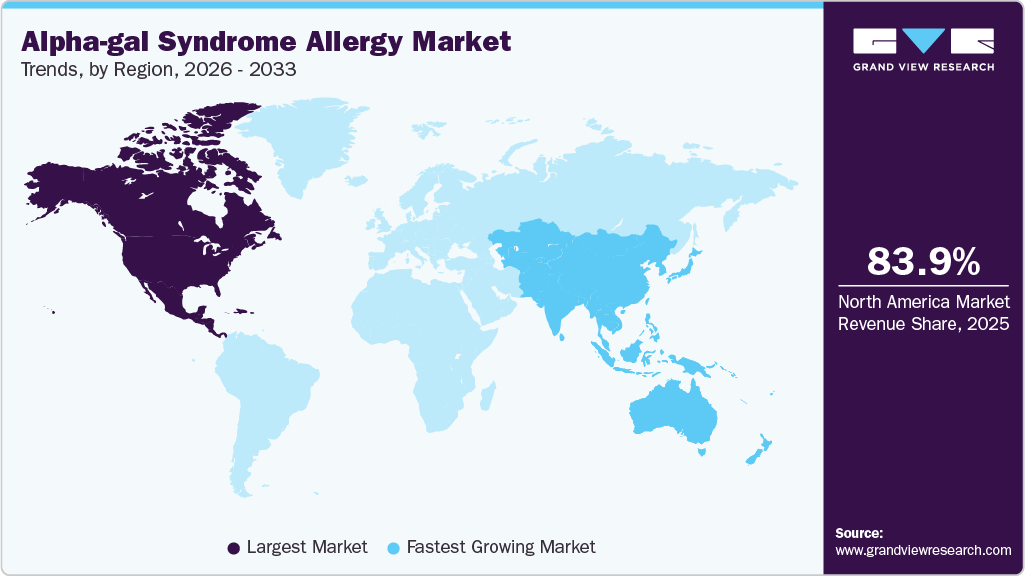
- North America alpha-gal syndrome allergy market held the largest share of 83.96% of the global market in 2025.
- The alpha-gal syndrome allergy industry in the U.S. is expected to grow significantly over the forecast period.
- By drug class, the epinephrine segment held a significant market share of 57.43% in 2025.
- By prescription status, the prescription drugs segment held the highest market share in 2025.
- By distribution channel, the retail pharmacies segment held the highest market share in 2025.
Market Size & Forecast
- 2025 Market Size: USD 78.09 Million
- 2033 Projected Market Size: USD 147.98 Million
- CAGR (2026-2033): 8.39%
- North America: Largest market in 2025
- Asia Pacific: Fastest growing market
AGS, an immunoglobulin E (IgE)‑mediated allergic response triggered after sensitisation to the carbohydrate galactose‑α‑1,3‑galactose via tick bites, has transitioned from a rarely documented condition to a recognised public health concern in a relatively short period. According to surveillance and research summaries reflecting data through 2025, the documented incidence of AGS has surged, with large cohort analyses reporting a substantial increase in positive test results over the last decade. Evidence presented at a 2025 clinical conference showed a near 100‑fold rise in positive test results between 2013 and 2024, indicating both broader spread of exposure and enhanced detection efforts by clinicians and laboratories. These trends are influencing market dynamics, driving demand for specialized diagnostic tools, clinician education, and patient support services.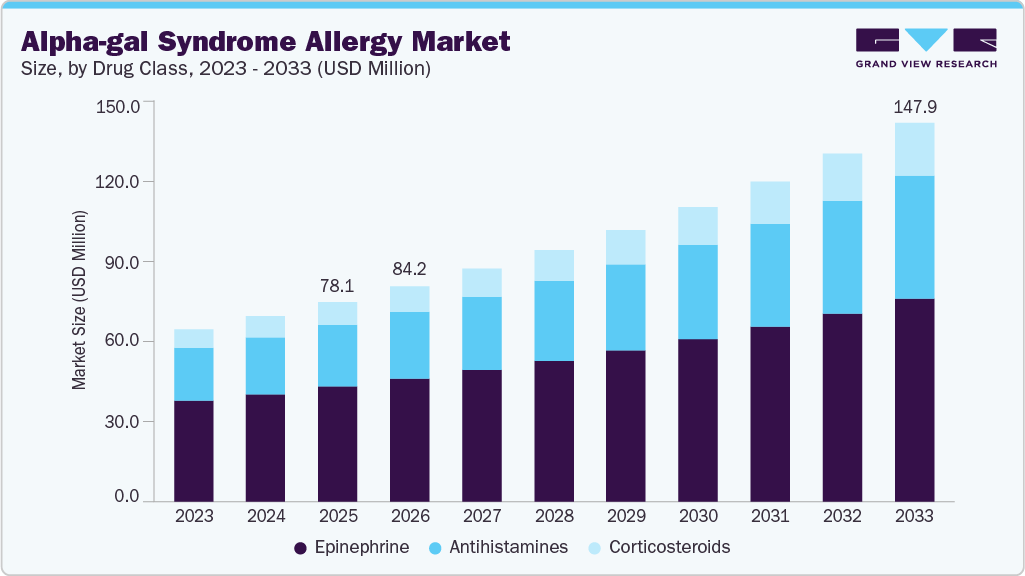
A principal driver of the AGS market’s current trajectory is the expanding geographic distribution of tick species associated with sensitization, notably the lone star tick in North America. Recent regional reports underscore the observable expansion of tick populations into areas previously considered low‑risk, which has corresponded with new AGS case reporting in those localities. For instance, in November 2025, state public health data document shows an increase in confirmed cases of tick‑linked red meat allergy in Midwestern regions such as Iowa, where authorities instituted formal tracking for AGS due to rising incidence. Similarly, in January 2026, national health agency updates reflect ongoing case documentation across varied U.S. regions, reinforcing that vector expansion is materially broadening the at‑risk population. This expanding epidemiological footprint is prompting strategic responses from healthcare systems, including investments in diagnostic platforms tailored to delayed meat-allergic responses, integration of IgE testing capabilities into broader allergy panels, and heightened engagement with primary care and allergy specialists to improve early detection.
In parallel with epidemiological drivers, market developments are influenced by persistent gaps in provider awareness and clinical guidelines, which shape unmet needs and opportunity areas within the AGS ecosystem. Even with rising case counts, evidence suggests many clinicians remain unfamiliar with AGS presentation and diagnostic pathways, contributing to underdiagnosis and extended time to identification. In December 2025, Recent reviews and case analyses emphasize delays in diagnosis due to symptom variability and a lack of targeted clinical pathways, reinforcing the need for structured clinical education and practice guidance. The absence of targeted therapies or preventive vaccines further underscores unmet clinical needs; current management strategies focus on avoidance of tick exposure and dietary modification. As a result, companies operating in diagnostics, clinical decision support, and provider education have opportunities to address these gaps through products and services that enhance recognition, stratify risk, and support patient management across diverse care settings. Continued investment in real‑world evidence generation, integration of AGS metrics into allergy surveillance systems, and expanded clinician training remain pivotal to advancing the overall market maturity.
Market Characteristics & Concentration
The Alpha‑Gal Syndrome (AGS) allergy market is emerging due to rising incidences linked to tick bites, especially from species like the lone star tick. Innovation is primarily seen in diagnostics, where advancements in specific IgE testing offer higher accuracy for AGS detection. Ongoing research into immunological therapies also signals future growth. However, the market faces barriers due to underdiagnosis, limited awareness among healthcare providers, and the niche nature of the condition. Diagnostic tools remain at the forefront, but therapeutic solutions are still sparse. Regulatory bodies are shaping AGS detection standards, ensuring reliable testing methods, but product substitutes, such as avoidance strategies, dominate current management. Geographically, the market is expanding, particularly in the U.S., with increasing cases reported in new regions like the Midwest.
The degree of innovation in the alpha‑gal syndrome market is mainly focused on diagnostic advancements, particularly in testing for specific IgE antibodies against alpha‑gal. New diagnostic assays are being developed to improve sensitivity, given AGS's delayed allergic response. Research into potential therapies, including biologics or immunomodulators, is still in early stages, with no widely approved treatments currently available. According to clinical reports, diagnostic innovations are critical in increasing detection rates, but the path toward therapeutic breakthroughs remains slow. As awareness grows, there will be more investment in creating tools and therapies to address this emerging allergic condition.
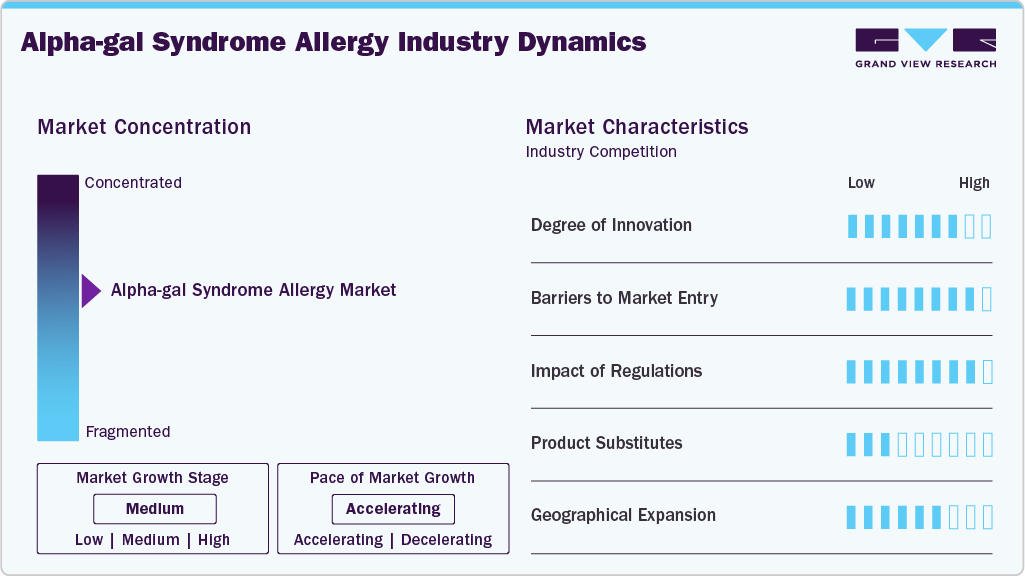
Market entry in the AGS space faces several barriers, including the condition's limited awareness and recognition among healthcare professionals. A study conducted in 2024 showed that many clinicians still lack knowledge of AGS, leading to underdiagnosis. Additionally, the absence of approved therapies creates hesitation in developing targeted treatments, limiting commercial opportunities. Regulatory hurdles, including the complexity of validating novel diagnostic tools and potential reimbursement challenges for AGS-specific tests, further slow market entry. The fragmented understanding of the disease and unclear demand forecasts also contribute to the risk profile, deterring investments in AGS-specific products and services.
Regulations in the AGS market mainly impact diagnostics and product labelling. Regulatory bodies are focusing on validating more accurate diagnostic tests for AGS and ensuring quality control in laboratory services. Health agencies are also implementing guidelines to regulate tick-borne allergies, shaping how AGS is diagnosed and managed. In January 2026, the U.S. CDC highlighted the need for standardized diagnostic practices. Furthermore, regulations are pushing for transparency in pharmaceutical product ingredients, particularly in disclosing mammalian-derived excipients in drugs, to prevent allergic reactions. These regulatory frameworks are crucial in defining how AGS is approached in clinical settings and influencing future market dynamics.
In the AGS market, product substitutes include dietary management strategies and broader allergy testing services. As there are currently no approved therapies, patients primarily manage AGS through avoidance of mammalian products and tick prevention strategies. While these alternatives help control the symptoms, they are not curative. Surrogate diagnostic tests, like general allergy panels, are sometimes used, though they lack specificity for AGS. Furthermore, emerging precision allergen immunotherapies may eventually serve as substitutes for current management strategies. These alternatives drive demand for educational services and diagnostic innovation while delaying the need for more advanced therapeutic products.
Geographical expansion is a key trend in the AGS market as tick vectors, particularly the lone star tick, spread across regions previously unaffected. In November 2025, the CDC noted AGS cases had risen significantly in states like Iowa, where cases were formally tracked for the first time. This geographic spread is causing AGS to move from a localized concern to a broader public health issue. Internationally, AGS is gaining recognition in Europe and Asia as tick-borne diseases and allergic reactions linked to mammalian products are becoming more prevalent. This regional expansion is prompting healthcare systems worldwide to integrate AGS detection into clinical practice, creating market opportunities for diagnostic companies.
Drug Class Insights
The epinephrine segment dominated the market with the largest revenue share of 57.43% in 2025, driven by its critical role in managing acute and potentially life-threatening reactions linked to Alpha-gal syndrome. Patients with this condition face delayed anaphylaxis after exposure to mammalian derived products, making rapid epinephrine administration essential. Clinical guidelines consistently recommended epinephrine as the first line treatment for systemic allergic reactions, sustaining strong prescription demand in high tick exposure regions. For instance, June 2025, Yale Medicine reported that more than 110,000 suspected cases were identified between 2010 and 2022, and up to 450,000 people may have been affected by 2023, noting that anaphylactic shock required injectable epinephrine such as EpiPen and prompt medical evaluation. Rising awareness, expanding auto injector availability, improved device designs, generic competition, and supportive reimbursement frameworks further strengthened segment growth prospects.
The corticosteroids segment is projected to grow at a fastest CAGR of 10.79% over the forecast period, driven by their role in reducing inflammatory responses and managing persistent allergic symptoms associated with Alpha-gal syndrome. While epinephrine remains the first line therapy for acute anaphylaxis, corticosteroids are frequently prescribed as adjunct treatment to control prolonged or biphasic allergic reactions. Increasing clinical recognition of delayed hypersensitivity responses, which may occur several hours after allergen exposure, has supported greater use of systemic and oral corticosteroids in moderate to severe cases. Expanding access to specialty allergy care and physician guided management plans further contributes to prescription growth. Additionally, the availability of cost effective generic formulations and established safety profiles in short term use are expected to sustain steady segment expansion over the forecast period.
Prescription Status Insights
The prescription drugs segment dominated the market with the largest revenue share of 73.68% in 2025, driven by the clinical management requirements of patients diagnosed with Alpha-gal syndrome. Management of this condition often involves physician supervised treatment plans, including prescribed epinephrine auto injectors and targeted pharmacological therapies for moderate to severe allergic reactions. The need for accurate diagnosis through laboratory confirmed IgE testing further channels patients into formal healthcare settings, increasing prescription based drug utilization. Additionally, regulatory controls surrounding emergency anaphylaxis treatments and biologic therapies reinforce dependence on prescribed medications rather than self selected over the counter options. Expanding specialist consultations in allergy and immunology, along with improved reimbursement frameworks in developed markets, continue to support the dominant position of the prescription drugs segment over the forecast period.
The over-the-counter (OTC) drugs segment is projected to grow at the fastest CAGR of 9.27% over the forecast period, driven by increasing patient preference for accessible and cost-effective symptom relief options associated with Alpha-gal syndrome. Individuals experiencing mild allergic manifestations such as itching, rashes, or gastrointestinal discomfort often rely on non-prescription antihistamines and supportive therapies for early-stage management. Expanding consumer awareness regarding tick-related allergies and improved self-recognition of symptoms are encouraging greater utilization of retail pharmacy products. Wider product availability across online and offline distribution channels further enhances market penetration, particularly in regions with limited access to specialist care. Additionally, growing emphasis on self-management strategies and preventive care is expected to support steady demand for OTC formulations throughout the forecast period.
Distribution Channel Insights
The retail pharmacies segment dominated the market, accounting for the largest revenue share of 39.67% in 2025, driven by their broad accessibility and central role in dispensing medications to patients diagnosed with Alpha-gal syndrome. Patients requiring prescription epinephrine auto-injectors, antihistamines, and supportive therapies frequently rely on retail pharmacy networks for timely medication access and refills. The convenience of neighborhood pharmacy locations, extended operating hours, and pharmacist counseling services support high patient footfall and repeat purchases. In addition, the availability of both prescription and over-the-counter allergy medications under one distribution channel enhances consumer preference. Expanding pharmacy chains, improved reimbursement processing, and the integration of digital prescription services are further strengthening retail pharmacies' dominant position in the market.
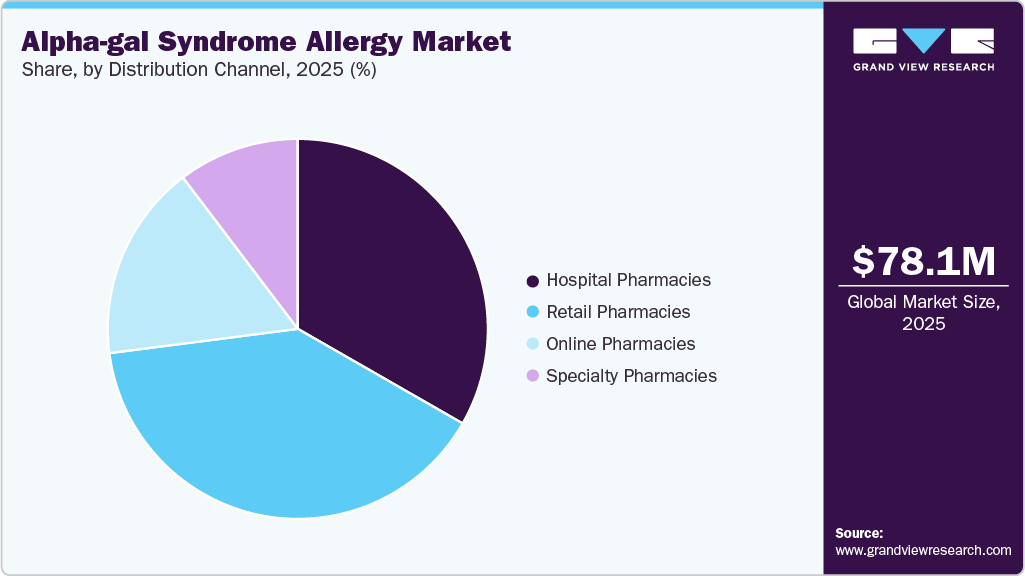
The online pharmacies segment is projected to grow at the fastest CAGR of 9.75% over the forecast period, driven by increasing digital adoption and consumer preference for convenient medication procurement for conditions such as Alpha-gal syndrome. Patients managing chronic allergy risks often require regular refills of antihistamines and prescribed emergency medications, making subscription-based and home delivery models particularly attractive. The expansion of e-commerce healthcare platforms, secure digital prescription verification systems, and teleconsultation services has improved accessibility, especially in semi-urban and rural regions. Competitive pricing, discount programs, and broader product comparisons further enhance patient engagement with online channels. Additionally, rising internet penetration and growing confidence in digital health ecosystems are expected to sustain strong growth momentum for online pharmacy distribution throughout the forecast period.
Regional Insights
North America alpha-gal syndrome allergy market held the largest share of 83.96% of the global market in 2025, due to the increasing spread of tick populations, particularly the lone star tick, which is responsible for AGS in the U.S. According to the CDC, cases of AGS in the U.S. have risen steadily over the past few years, reaching over 110,000 suspected cases by 2025. This expansion in cases is leading to heightened awareness and an increase in diagnostic testing, including IgE tests for alpha-gal. Health authorities in both the U.S. and Canada are investing in public health campaigns to educate the population and healthcare professionals about AGS. The growing prevalence is creating demand for specialized diagnostic tools, patient management services, and further research into possible treatment options. These factors are shaping the AGS market’s trajectory in North America, with key healthcare systems beginning to integrate AGS screening into routine allergy testing.
U.S. Alpha-gal Syndrome Allergy Market Trends
In the U.S., the market for Alpha-Gal Syndrome allergy has gained momentum due to the rapid increase in reported cases, especially in states previously not associated with tick-borne diseases. As of 2025, a CDC report revealed a significant rise in AGS diagnoses, with suspected cases more than doubling in some regions. One example is Iowa, where formal tracking began in 2025, showing a surge in AGS diagnoses. The growing awareness of AGS has driven demand for more Over-the-counter (OTC) Drug solutions and preventive measures. Public health organizations have begun to implement regional surveillance programs, which have increased the identification of new cases. Additionally, more healthcare providers are now including AGS testing in their allergy panels. These factors indicate that the U.S. market for AGS diagnostics and management tools will continue to expand in the coming years, driven by improved recognition and healthcare infrastructure investments.
Europe Alpha-gal Syndrome Allergy Market Trends
Europe is gradually recognizing Alpha-Gal Syndrome (AGS) as a significant allergy concern, though the market remains in its early stages. Research from European institutions in 2024 and 2025 indicates that AGS cases are rising, particularly in countries with large populations of ticks, such as France, Germany, and Austria. France has reported an increase in AGS awareness, with health authorities including AGS in discussions on tick-borne diseases. AGS tests are gaining traction, especially in countries like Germany, where health professionals are beginning to include specific IgE testing for alpha-gal as part of routine allergy diagnostics. Despite the emerging market, there is still a lack of standardized guidelines for AGS treatment. As more cases are identified, it is expected that Europe will see a steady rise in demand for specialized diagnostics and preventive services tailored to AGS management.
The UK Alpha-gal Syndrome allergy market has only recently begun to attract attention. With an increasing number of reported cases in regions like the south and the Midlands, where tick populations are expanding, the National Health Service (NHS) in the UK has started to include AGS awareness programs, reflecting the growing recognition of this condition. AGS remains underdiagnosed in the UK due to limited awareness among healthcare providers. Advocacy groups have been pushing for more training for clinicians, which is expected to drive market growth for diagnostic tools and healthcare services aimed at early AGS detection. As awareness increases, the demand for AGS-specific management services will likely rise as well.
The Germany Alpha-gal Syndrome allergy market is witnessing gradual growth in the awareness of AGS. Research published highlighted a rise in suspected AGS cases, particularly in areas with high tick activity like Bavaria and the Black Forest region. However, AGS is still largely underdiagnosed, with healthcare providers relying primarily on broad allergy panels rather than specific tests for alpha-gal. In 2025, some German hospitals have started integrating specific IgE testing for AGS into their allergy screening programs, but widespread adoption is still in progress. There is also an emerging demand for educational initiatives to address the gap in provider knowledge. Despite these early challenges, the German healthcare system is expected to increasingly prioritize AGS detection and management, especially as the number of cases continues to grow.
In France, the Alpha‑Gal Syndrome allergy market shows evidence of clinical recognition, albeit with limited prevalence data. Historical surveillance by the Réseau d’allergovigilance reported that alpha‑gal allergy accounted for approximately 3.4% of anaphylactic food allergy observations in France, highlighting its presence within the national allergy profile, especially in areas with significant tick exposure. AGS in France has primarily been documented through case series and allergy clinics, where patients present delayed allergic reactions to mammalian meat following tick bites. The condition remains underdiagnosed, as formal nationwide monitoring for AGS is not yet established; however, growing clinical awareness is prompting allergists to introduce specific IgE testing for alpha‑gal in differential diagnostics for unexplained food allergy cases. This trend is strengthening the market for AGS diagnostics and educational initiatives among French healthcare providers, particularly in regions where tick populations overlap with high human outdoor activity.
Asia-Pacific Alpha-gal Syndrome Allergy Market Trends
The Asia‑Pacific Alpha‑Gal Syndrome (AGS) market is at an earlier stage of development compared with Western regions, but emerging epidemiological evidence indicates measurable sensitisation and clinical case presence in parts of East Asia. Sensitisation to alpha‑gal has been reported in populations within Japan at an estimated 2-4% prevalence of subclinical IgE responses, suggesting regional exposure to ticks capable of inducing AGS, particularly Haemaphysalis longicornis, a species endemic to East Asia. While systematic national surveillance is largely absent, clinical reports and small cohort studies suggest that AGS presentations follow similar exposure dynamics to other regions, albeit with varying tick species involvement compared to Amblyomma americanum in North America. Diagnosis and awareness remain limited, with health systems prioritising broader allergy screening; however, increasing case recognition in Japan and reports from South Korea signal a gradual market need for Over the Counter (OTC) Drugs and physician education initiatives that differentiate AGS from other food allergies.
The Japan Alpha‑gal Syndrome allergy market shows early but substantiated signs of regional sensitivity to the condition, primarily linked to tick exposure from indigenous species such as Haemaphysalis longicornis. A 2024 review and subsequent research indicate that sensitisation to alpha‑gal following tick bites has been documented within Japanese populations, an important foundation for increased clinical vigilance. While formal prevalence figures and national surveillance systems specific to AGS are not yet established, historical cases of red meat allergy with strong alpha‑gal IgE positivity have been reported, highlighting clinical occurrences in Japan. The local healthcare market has yet to see widespread implementation of AGS‑specific diagnostics, and awareness among general practitioners remains limited relative to other allergic conditions. As tick‑related allergies become better understood - and as case reporting and medical education improve - demand for differentiated diagnostic tools and management protocols is anticipated to rise, particularly in areas with higher tick exposure.
In China, the Alpha‑gal Syndrome (AGS) allergy market is still in the early stages, with limited case reports and diagnostic capabilities for AGS. However, the growing awareness of tick-borne diseases and the increasing number of reports of food allergies, including AGS-like symptoms, point to potential market growth. A 2023 study published in a Chinese medical journal identified several suspected AGS cases in regions with endemic tick populations, particularly in rural areas where tick exposure is more common. The rise in other tick-borne conditions, such as Lyme disease, has highlighted the need for improved allergy diagnostics. Currently, AGS remains underdiagnosed in China due to limited physician awareness and the absence of routine specific IgE testing for alpha-gal. However, as tick-related health issues gain more prominence in public health, the demand for AGS testing and patient education will likely increase, driving future market expansion.
Latin America Alpha-gal Syndrome Allergy Market Trends
In Latin America, Alpha‑Gal Syndrome (AGS) allergy is a relatively new and underreported condition, with few studies on the prevalence of AGS in the region. However, some countries, such as Brazil and Argentina, are seeing increased awareness around tick-borne diseases, and health professionals are starting to recognize AGS as a potential concern. Brazil, in particular, has reported sporadic cases of AGS linked to the spread of the lone star tick (Amblyomma americanum) into new regions. A report highlighted the rise in tick-borne diseases in rural Brazilian communities, indirectly signaling the potential for AGS awareness. As clinicians in Latin America become more attuned to tick-related allergies, the demand for AGS diagnostic tools and treatment protocols is expected to grow. However, the widespread adoption of AGS-specific tests is currently limited by the lack of formal clinical guidelines and training programs across the region.
Brazil Alpha-gal Syndrome Allergy Market Trends
In Brazil, the market for alpha‑gal syndrome (AGS) allergy is emerging as awareness about tick-borne diseases increases. The country's vast rural areas, where tick exposure is common, have seen an uptick in reported cases of AGS. A clinical case report from 2025 described the first documented case of Alpha‑Gal Syndrome in the state of Rio Grande do Norte (northeastern Brazil). The patient developed delayed allergic reactions after eating goat meat following frequent exposure to tick bites in a rural setting. As the Brazilian medical community starts recognizing AGS, the demand for specialized diagnostics and treatment management services is expected to rise. Public health campaigns and collaborations with international health organizations are anticipated to push AGS awareness further, driving market demand in the coming years.
Middle East & Africa Alpha-gal Syndrome Allergy Market Trends
In the Middle East and Africa, the Alpha‑Gal Syndrome (AGS) market is still in its infancy, with limited recognition of the condition and few diagnosed cases. Tick-borne diseases are an emerging concern in the region, with some reports of red meat allergies and related symptoms in countries such as Saudi Arabia and South Africa. Research has identified alpha‑gal antigens in tick species native to South Africa, including Amblyomma hebraeum and Rhipicephalus evertsi. In these ticks, proteins containing alpha‑gal were immunolocalized, and sera from individuals with alpha‑gal allergy showed elevated IgE/IgG4 against these tick antigens. This suggests that sensitization mechanisms exist locally and that ticks capable of inducing AGS responses are present in African regions. The lack of formal healthcare infrastructure for tick-borne allergy testing and a general lack of awareness among healthcare providers are key barriers to recognizing AGS in this region. However, the growing focus on tick-borne diseases and allergy awareness could foster future growth in diagnostic services. As AGS gains recognition, regional demand for diagnostic testing and patient education is expected to increase, laying the foundation for future market expansion.
Saudi Arabia Alpha-gal Syndrome Allergy Market Trends
In Saudi Arabia, formal data on alpha‑gal syndrome (AGS) remain limited, but clinical awareness of tick‑bite‑related allergic reactions is beginning to develop. Tick‑borne conditions, including delayed allergic reactions to mammalian meat, have been noted sporadically in case reports from the broader Middle East & Africa region, suggesting localized occurrence of AGS‑like symptoms following tick exposure. While no large‑scale prevalence studies are published for Saudi Arabia, Regional healthcare discussions emphasize the need to distinguish AGS from other food and allergy disorders due to its delayed onset of reactions several hours after meat ingestion and potential for severe responses including anaphylaxis. Continued surveillance and targeted research initiatives are essential to accurately estimate disease burden and to inform diagnostic adoption in clinical practice across Saudi Arabia, where allergy specialists are increasingly prioritizing tick‑borne conditions.
Key Alpha-gal Syndrome Allergy Company Insights
The alpha-gal syndrome (AGS) allergy market is highly competitive, with key players offering emergency treatments for anaphylaxis. Leading companies dominate with epinephrine auto-injectors, some offering additional features like voice instructions for ease of use. Generic options are also available, providing affordable alternatives to branded injectors. Other players offer pre-filled syringes and innovative delivery systems, including nasal sprays as alternatives to traditional injectors. Additionally, companies focusing on broader allergy management add complexity to the market. As awareness of AGS rises, the market continues to evolve with diverse treatment options, driving competition and innovation in emergency allergy care.
Key Alpha-gal Syndrome Allergy Companies:
The following key companies have been profiled for this study on the alpha-gal syndrome allergy market
- Viatris
- Teva Pharmaceutical Industries Ltd.
- Amneal Pharmaceuticals
- kaleo, Inc.
- Adamis Pharmaceuticals
- ALK-Abello A/S
- Pfizer
- Bausch Health Companies
- Antares Pharma
- ARS Pharmaceuticals
Recent Developments
- In June 2025, climate researchers reported that the geographic spread and population growth of lone star ticks-the primary vector for AGS sensitisation-have dramatically expanded beyond traditional regions in the U.S., increasing the public health risk of the allergy across new northern and western states.
- In October 2025, researchers presented data showing a near 100‑fold increase in positive alpha‑gal antibody test results between 2013 and 2024, underscoring rapid growth in case detection and signalling AGS’s emergence as a significant allergic disease concern.
- In November 2025, health officials in Iowa recorded 76 cases of AGS after the lone star tick migrated into previously low‑risk regions, prompting the state to begin formal surveillance of the allergy.
Alpha-gal Syndrome Allergy Market Report Scope
Report Attribute
Details
Market size value in 2026
USD 84.22 million
Revenue forecast in 2033
USD 147.98 million
Growth rate
CAGR of 8.39% from 2026 to 2033
Base year for estimation
2025
Historical data
2021 - 2024
Forecast period
2026 - 2033
Quantitative units
Revenue in USD million/billion and CAGR from 2026 to 2033
Report coverage
Revenue forecast, company ranking, competitive landscape, growth factors, and trends
Segments covered
Drug class, prescription status, distribution channel, region
Regional scope
North America; Europe; Asia Pacific; Latin America; Middle East & Africa
Country scope
U.S.; Canada; Mexico; UK; Germany; France; Italy; Spain; Denmark; Sweden; Norway; China; Japan; India; Australia; South Korea; Thailand; Brazil; Argentina; South Africa; Saudi Arabia; UAE; Kuwait
Key company profiled
Viatris, Teva Pharmaceutical Industries Ltd., Amneal Pharmaceuticals, kaleo, Inc., Adamis Pharmaceuticals, ALK-Abello A/S, Pfizer, Bausch Health Companies, Antares Pharma, ARS Pharmaceuticals
Customization scope
Free report customization (equivalent to 8 analysts working days) with purchase. Addition or alteration to country, regional & segment scope.
Pricing and purchase options
Avail customized purchase options to meet your exact research needs. Explore purchase options
Global Alpha-gal Syndrome Allergy Market Report Segmentation
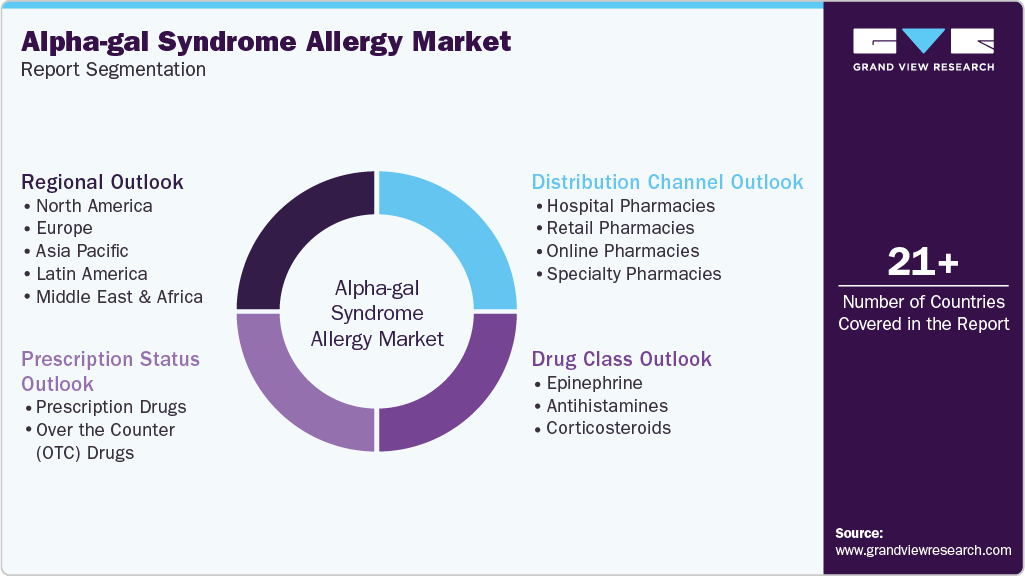
This report forecasts revenue growth at global, regional, and country levels and provides an analysis of the latest industry trends in each of the sub-segments from 2021 to 2033. For this study, Grand View Research has segmented the global alpha-gal syndrome allergy market report based on drug class, prescription status, distribution channel, and region:
-
Drug Class Outlook (Revenue, USD Million, 2021 - 2033)
-
Epinephrine
-
Antihistamines
-
Corticosteroids
-
-
Prescription Status Outlook (Revenue, USD Million, 2021 - 2033)
-
Prescription Drugs
-
Over the Counter (OTC) Drugs
-
-
Distribution Channel Outlook (Revenue, USD Million, 2021 - 2033)
-
Hospital Pharmacies
-
Retail Pharmacies
-
Online Pharmacies
-
Specialty Pharmacies
-
-
Regional Outlook (Revenue, USD Million, 2021 - 2033)
-
North America
-
U.S.
-
Canada
-
Mexico
-
-
Europe
-
UK
-
Germany
-
France
-
Italy
-
Spain
-
Denmark
-
Sweden
-
Norway
-
-
Asia Pacific
-
Japan
-
China
-
India
-
Australia
-
South Korea
-
Thailand
-
-
Latin America
-
Brazil
-
Argentina
-
-
Middle East & Africa
-
South Africa
-
Saudi Arabia
-
UAE
-
Kuwait
-
-
Frequently Asked Questions About This Report
b. The global alpha-gal syndrome allergy market size was valued at USD 78.09 million in 2025 and is anticipated to reach USD 84.22 million in 2026.
b. The global alpha-gal syndrome allergy market is expected to witness a compound annual growth rate of 8.39% from 2026 to 2033 to reach USD 147.98 million by 2033.
b. Based on drug class, the epinephrine segment dominated the market with the largest revenue share of 57.43% in 2025, driven by its critical role in managing acute and potentially life-threatening reactions linked to Alpha-gal syndrome.
b. Some of the key players in alpha-gal syndrome allergy market are Viatris, Teva Pharmaceutical Industries Ltd., Amneal Pharmaceuticals, kaleo, Inc., Adamis Pharmaceuticals, ALK-Abello A/S, Pfizer, Bausch Health Companies, Antares Pharma, and ARS Pharmaceuticals
b. The alpha-gal syndrome (AGS) market is driven by expanding tick populations, rising diagnosis and awareness, improved IgE testing availability, and the significant unmet need for targeted therapies.


Share this report with your colleague or friend.
Need a Tailored Report?
Customize this report to your needs — add regions, segments, or data points, with 20% free customization.


ISO 9001:2015 & 27001:2022 Certified
We are GDPR and CCPA compliant! Your transaction & personal information is safe and secure. For more details, please read our privacy policy.
Trusted market insights - try a free sample
See how our reports are structured and why industry leaders rely on Grand View Research. Get a free sample or ask us to tailor this report to your needs.