UK Formal Wear Consumer Insights - Usage, Attitudes, And Brand Performance Report
Introduction:
The formal wear market in the UK is experiencing a significant transformation, shaped by evolving work culture and changing consumer preferences. In the wake of the pandemic, many workplaces have adopted more relaxed dress codes, resulting in decreased demand for traditional daily business attire. However, formal wear for special occasions such as weddings, galas, and black-tie events continues to thrive, where luxury and sophistication remain central to consumer choices. Mainstream retailers are responding to these shifts with more versatile and comfort-driven formalwear that blends casual and formal aesthetics, catering to professionals navigating hybrid work environments. Sustainability has become a crucial factor in the market, with growing popularity for rental services, eco-friendly brands, and circular fashion initiatives that appeal to environmentally conscious consumers. Moreover, the industry is gradually becoming more inclusive, with emerging gender-neutral collections and expanding size ranges, reflecting broader societal movements toward diversity and personal expression. Brands that successfully incorporate these trends-whether through sustainable practices, increasingly diverse collections, or adaptable styles-are well-positioned to capture the evolving demands of UK consumers seeking both functionality and individual identity in their formal wardrobe choices.
Here are some of the market trends dominating the UK formal wear market:
-
Bespoke Tailoring: Bespoke tailoring on Savile Row is synonymous with precision and attention to detail, where each suit is individually crafted to reflect the client’s personal style and requirements. The process involves multiple fittings and consultations, ensuring a perfect fit that enhances both comfort and sophistication. This personalized approach attracts high-net-worth individuals who view tailored garments as an investment in quality and individuality. As demand for exclusive, high-end fashion grows, Savile Row's bespoke tailoring remains a coveted experience, blending heritage with modern sensibilities for an elite clientele.
-
Luxury and Comfort: Luxury and comfort are seamlessly combined in high-end bespoke tailoring, where every suit is designed not only to look exceptional but also to provide an unparalleled level of comfort. The choice of premium materials ensures that the garment feels as good as it looks, with attention to fabric weight, texture, and breathability. This thoughtful approach allows clients to wear their tailored pieces all day without sacrificing comfort for style. As a result, these suits become long-term investments, offering lasting value both in terms of aesthetics and wearability.
-
Hybrid Styles: Hybrid styles are becoming increasingly popular as consumers seek versatility and comfort in their formal wear. This trend blends traditional formal elements with casual pieces, creating outfits that work for both professional settings and relaxed social occasions. For example, pairing a tailored blazer with casual trousers or wearing a dress with sneakers allows individuals to achieve a polished look while maintaining ease of movement. This fusion of styles reflects the modern desire for flexibility, offering a balance between sophistication and comfort for the contemporary wardrobe.
Methodology:
The insights covered in this report are drawn from GVR’s ‘Voice of Consumer Survey’ and its periodic updates. The latest survey represents 75,000+ consumer interviews conducted across 20 countries for 100+ product categories. These insights are specifically catered to the brands operating in the formal wear industry to guide them in their strategic decision-making process. This report provides insights covering category usage & attitude, buying behavior, brand performance metrics, and brand health indicators of leading players in the UK formal wear market.
Chapter 1: Usage and Attitude
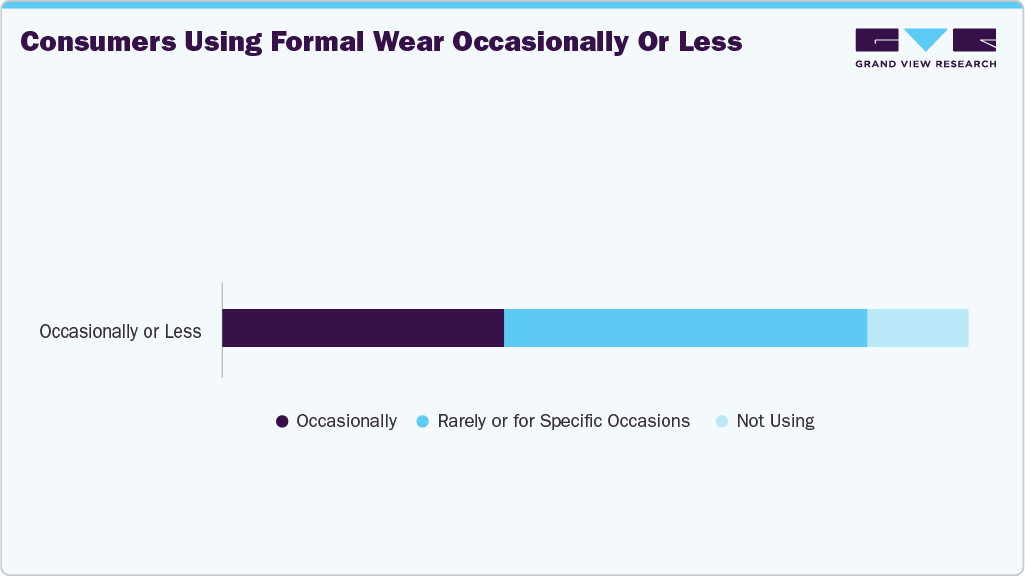
UK consumers are highly aware of emerging trends and comfort, and prioritize convenient products. This is backed by the analysis that 45% of consumers use formal wear occasionally or less, out of which 22% of consumers say they use it rarely. This shift highlights a growing preference for versatile clothing that can transition between settings, reducing the need for traditional formal attire.
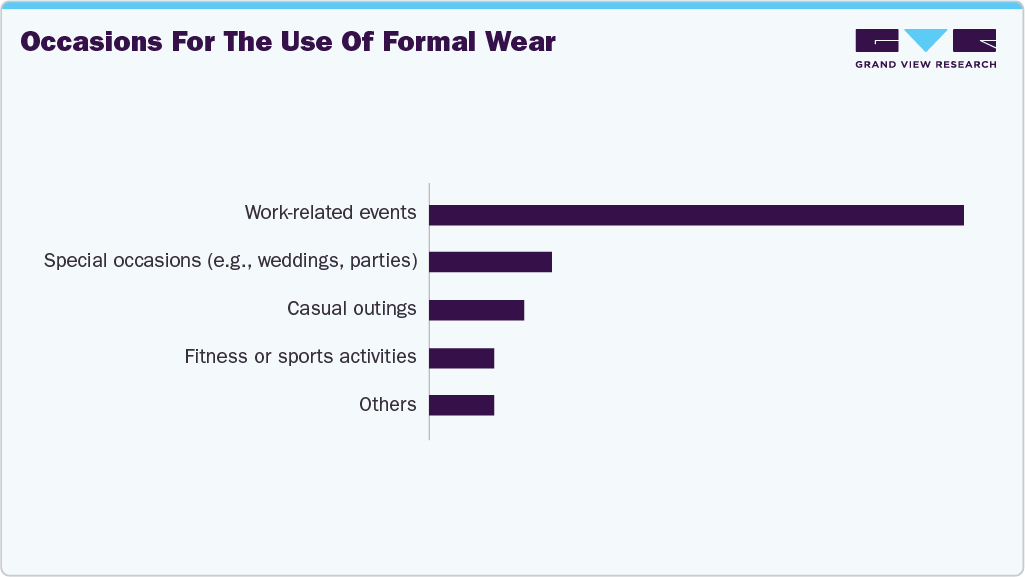
In the UK, formal wear remains most commonly associated with professional settings, with 74% of consumers indicating that they wear formal attire primarily for work-related events. This strong correlation reflects the enduring importance of appearance in corporate and business environments, even as overall dress codes become more relaxed. Meanwhile, 17% of consumers reserve formal wear for special occasions such as weddings, parties, and other celebratory events, underscoring its continued relevance in traditional social functions. Interestingly, 13% also wear formal attire for casual outings, suggesting a segment of consumers who appreciate a polished look even in informal settings. Many of these choices are driven by personal wardrobe rotation, as individuals seek to maximize the versatility and value of their existing clothing. This data illustrates the evolving but still significant role of formal wear in British wardrobes, shaped by both professional needs and individual style preferences.
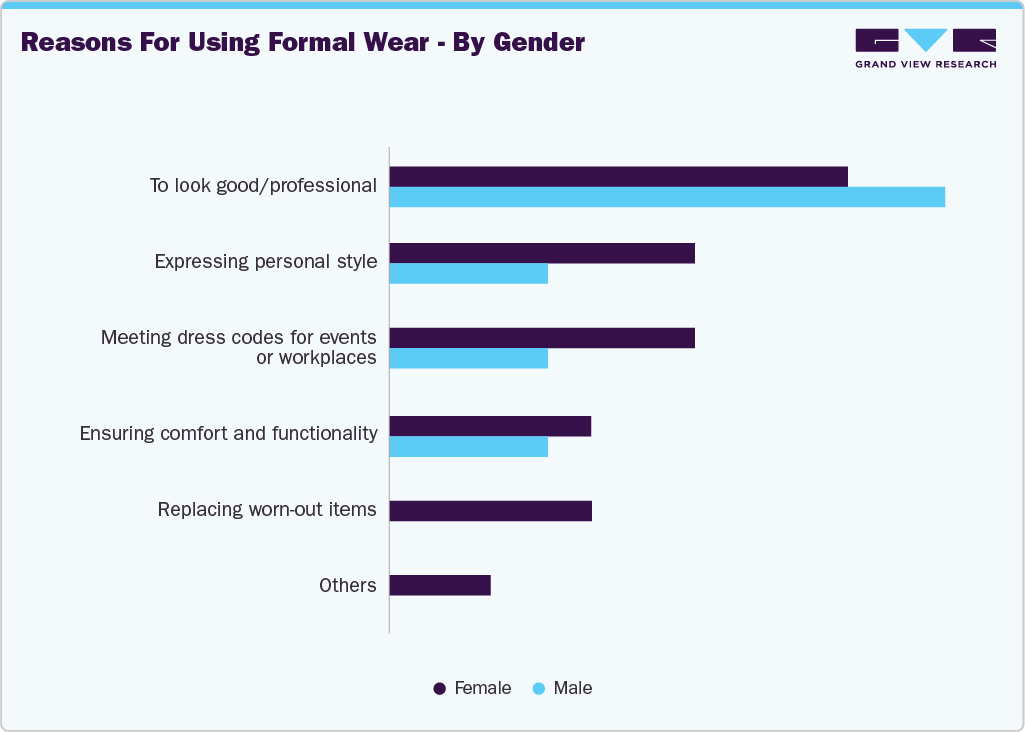
The primary motivations for wearing formal attire in the UK reveal distinct preferences across genders, with a strong emphasis on appearance and professionalism. A significant 64% of women and 78% of men cite looking good or professional as their main reason for choosing formal wear, highlighting the continued importance of polished presentation in both social and professional settings. Expressing personal style and adhering to dress codes are equally influential for women, with 43% mentioning each as key drivers, compared to 22% of men for both categories. This suggests that women place greater value on expressing their styles and event-specific dress requirements. Comfort and functionality are also notable factors, though less prominent, with 29% of women and 22% of men identifying these as priorities. Additionally, many individuals appreciate how formal attire can contribute to feeling comfortable and confident, as well as its durable and long-lasting construction, qualities that add to its practicality and long-term appeal. Overall, the data reflect how formal wear serves multiple purposes, ranging from enhancing one’s image to meeting social expectations, while also revealing subtle gender-based differences in how it's approached.
Despite its many advantages, formal wear in the UK is not without its drawbacks. One common negative aspect is the discomfort often associated with ill-fitting clothing, which can make wearing formal attire a less enjoyable experience. Many individuals express disappointment and dissatisfaction with formal wear due to uncomfortable fits or materials that restrict movement or cause irritation. These issues can detract from the overall appeal and practicality of dressing formally, especially when comfort is sacrificed for the sake of appearance. As a result, there is growing awareness of the need for more comfortable, well-tailored options that balance style with wearability.
Buying Behavior
When purchasing formal wear in the UK, comfort and fit are the top priorities for shoppers, with 70% of consumers emphasizing these factors. Price and value for money also play a significant role, as 78% of individuals consider affordability a key consideration when making their purchase. While brand name and reputation hold some importance, influencing 35% of buyers, it is the material quality and durability that 61% of shoppers particularly value, indicating a preference for long-lasting investment pieces. Additionally, unique designs and exclusivity appeal to 35% of consumers, though it is less of a deciding factor compared to comfort, price, and durability. This data highlights that while style and branding matter, practicality and value remain dominant considerations in formal wear purchases. In the UK, many people purchase formal wear about once a quarter, making it a seasonal shopping habit. This frequency suggests that formal attire is often bought for specific events or occasions rather than regular use.
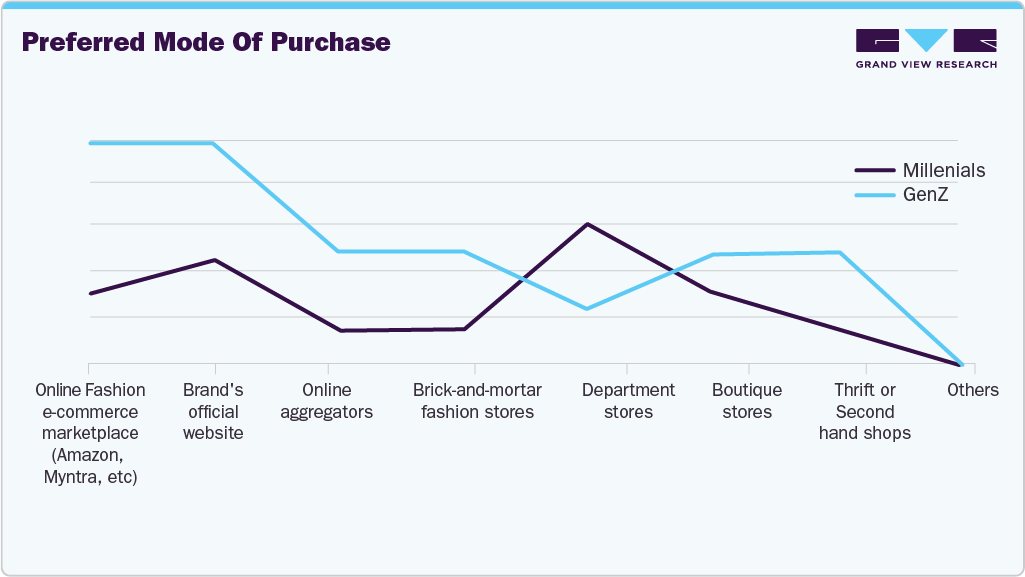
When it comes to purchasing formal wear in the UK, shopping preferences among Gen Z and millennials show notable differences, though some common ground exists. Both generations commonly prefer buying from a brand’s official website, valuing the assurance of authenticity and access to the latest collections. However, Gen Z shoppers tend to favor online fashion e-commerce marketplaces, drawn by the variety, convenience, and often trend-driven selections available. In contrast, millennials are more inclined toward department stores, where they can benefit from in-person service, try-ons, and a curated shopping experience. These trends reflect the evolving balance between digital convenience and traditional retail trust among younger consumers.
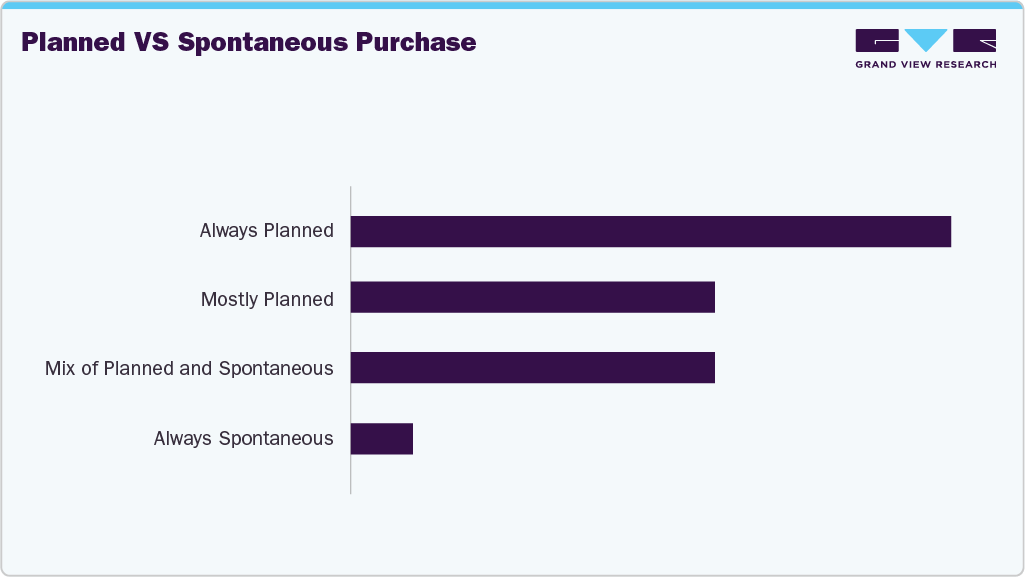
We can confidently state that formal wear belongs to a more planned purchase category, as 7 out of 10 people say their purchase is planned. Of these, 43% of consumers say it is always planned, and 26% purchase either planned or spontaneously, depending on the situation or available offers. Only about 4% of the population displays spontaneous purchase behavior. This is largely due to the fact that formal wear is often associated with specific events or occasions, requiring careful consideration of style, fit, and appropriateness. Additionally, the higher cost of formal attire compared to casual wear encourages shoppers to plan their purchases to ensure they get the best value. While seasonal sales and discounts may spur some impulse buys, the nature of formal wear makes it a more deliberate and thought-out decision for most consumers.
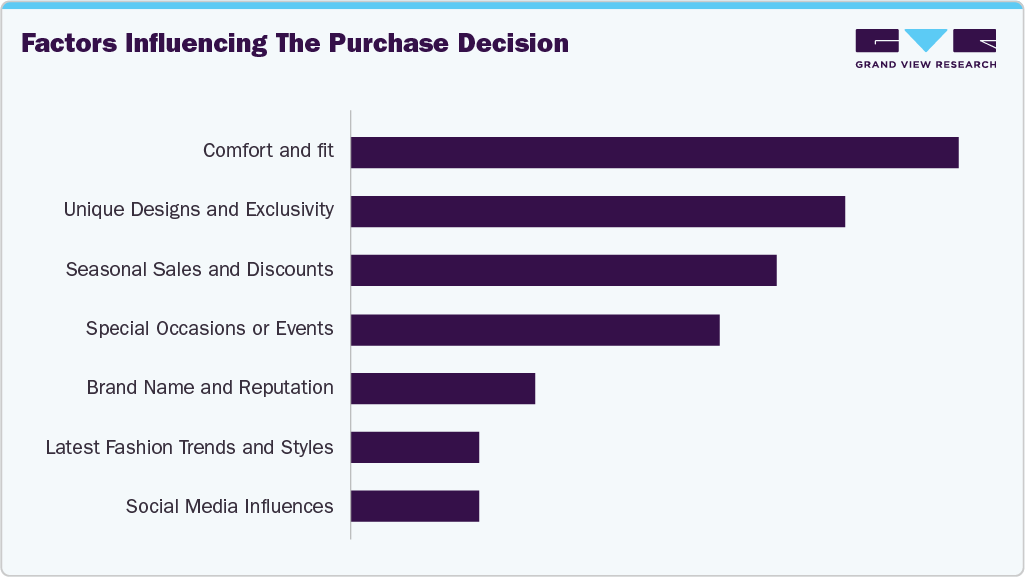
The immediate triggers for purchasing formal wear in the UK are largely influenced by comfort and fit, with 43% of consumers citing it as a key factor in their decision-making. This reflects a growing preference for attire that not only looks good but also provides comfort, particularly for long periods of wear. Unique designs and exclusivity also play a significant role, with 35% of shoppers attracted to formal wear that offers something distinctive or special, helping them stand out at events. Additionally, seasonal sales and discounts serve as a strong motivator for 30% of buyers, providing an opportunity to acquire high-quality formal wear at a more affordable price. However, a significant barrier to purchasing formal wear is the high prices for quality items, with 43% of consumers considering cost a limiting factor. These combined factors highlight how both practical considerations, the desire for exclusive, well-priced items, and financial barriers influence purchase behavior in the formal wear market. Furthermore, 8 out of 10 consumers in the UK are brand-conscious when it comes to formal wear, with many prioritizing well-known labels for their perceived quality and prestige.
Brand Power Play (Brand Health and Performance)
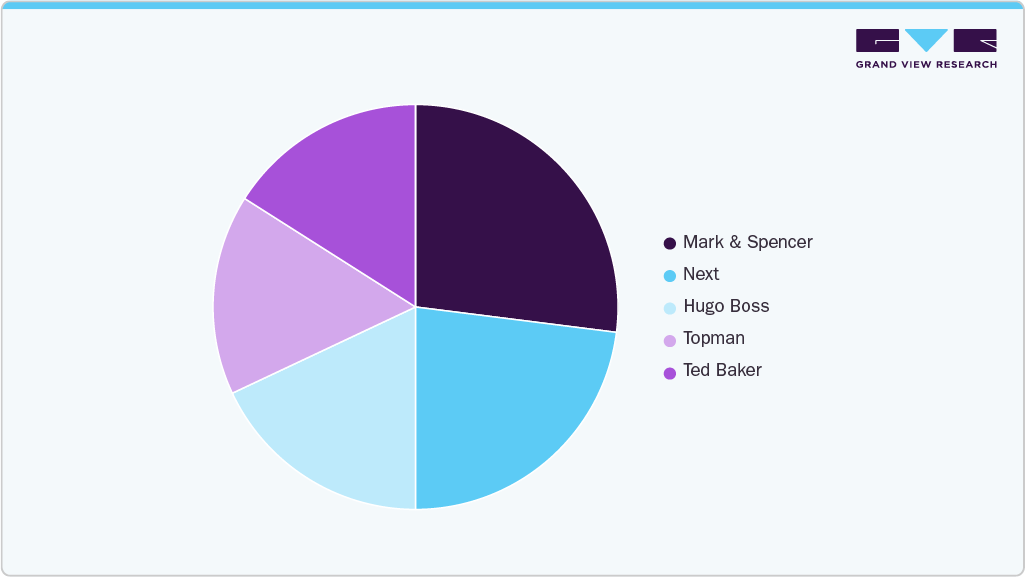
Some of the popular brands with formal wear in the UK include Marks & Spencer, Next, Hugo Boss, Ted Baker, and Topman. Although the formal wear market is undeniably competitive and large, Marks & Spencer dominates the market with a 52% market share (by awareness). Marks & Spencer enjoys the highest brand awareness for formal wear in the UK due to its long-standing reputation for quality, affordability, and reliable customer service. Its wide range of stylish, well-crafted formal wear appeals to a broad demographic, making it a trusted choice for both everyday and special occasion attire.
Purchase Funnel
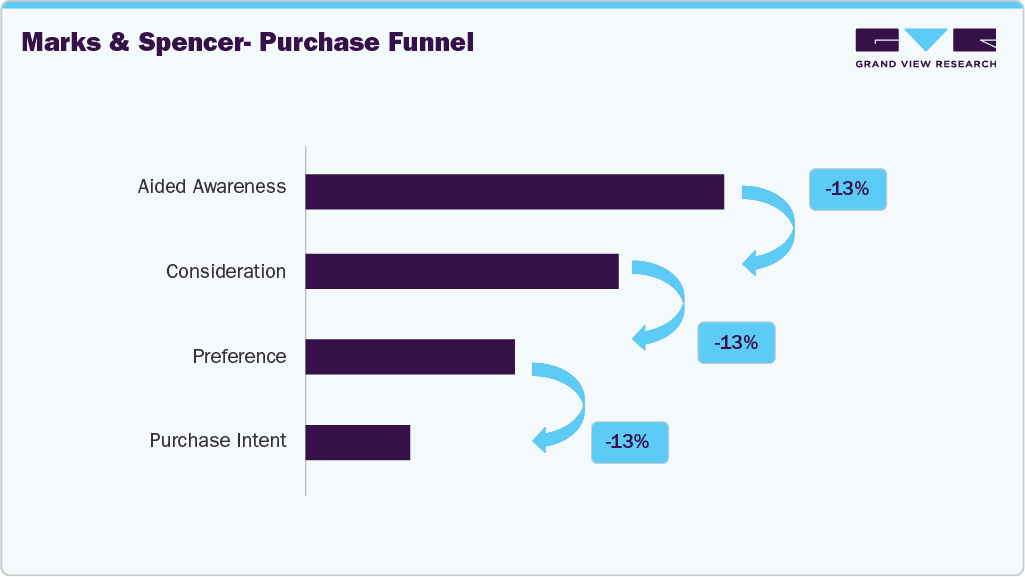
Marks & Spencer leads the purchase funnel for formal wear in the UK, with a strong aided awareness of 52%, indicating that more than half of consumers are familiar with the brand when considering formal attire. The brand maintains solid consideration at 39%, suggesting that it is a top choice for many shoppers when looking for formal wear. However, its preference drops to 26%, indicating that while many consider Marks & Spencer, a smaller portion ultimately chooses it over competitors. Purchase intent stands at 13%, reflecting the final step of the funnel where fewer individuals are ready to commit to a purchase. In comparison, Next and Hugo Boss also exhibit a decent purchase funnel, with solid awareness and consideration, but their preference and purchase intent are lower than Marks & Spencer’s. This suggests that Marks & Spencer’s long-established reputation, range of options, and value for money continue to resonate strongly with UK consumers, even though the brand faces competition from more premium labels like Hugo Boss and stylish options such as Next. Next and Hugo Boss have a decent purchase funnel for formal wear in the UK due to their strong brand recognition and appeal to distinct customer segments. Next attracts a wide range of consumers with its stylish yet affordable options, making it a popular choice for those seeking value without compromising on fashion. Hugo Boss, on the other hand, appeals to a more premium market with its reputation for high-quality, sophisticated formal wear, drawing in customers willing to invest in luxury attire.
The overall NPS score of the leading brands varies from -25 to 33.
