
- Home
- »
- Alcohol & Tobacco
- »
-
Tequila Market Size, Share & Growth, Industry Report, 2033GVR Report cover
![Tequila Market Size, Share & Trends Report]()
Tequila Market (2026 - 2033) Size, Share & Trends Analysis Report By Product (Blanco, Reposado, Anejo), By Grade (Value, Premium, High-End Premium & Super Premium), By Distribution Channel, By Region, And Segment Forecasts
- Report ID: GVR-4-68040-488-1
- Number of Report Pages: 115
- Format: PDF
- Historical Range: 2021 - 2025
- Forecast Period: 2026 - 2033
- Industry: Consumer Goods
- Report Summary
- Table of Contents
- Interactive Charts
- Methodology
- Download FREE Sample
-
 Download Sample Report
Tequila Market Summary
The global tequila market size was estimated at USD 12,565.8 million in 2025 and is projected to reach USD 25,073.7 million by 2033, growing at a CAGR of 9.0% from 2026 to 2033. A significant growth driver is the increasing demand for premium and artisanal tequila. Consumers are shifting their focus from quantity to quality, with many willing to pay more for high-quality, 100% agave tequilas.
Key Market Trends & Insights
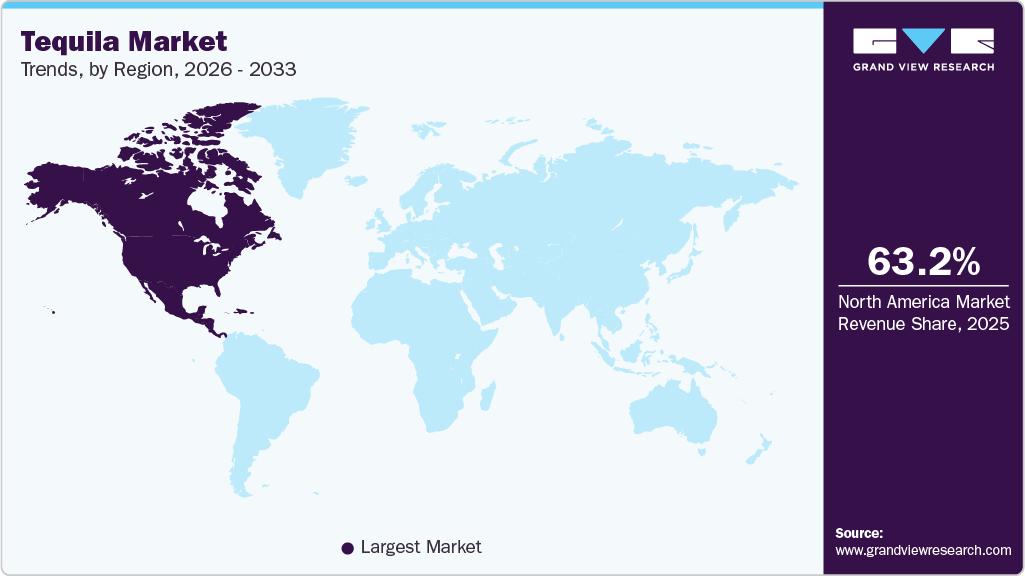
- The North America tequila market held the largest global share of 63.2% in 2025.
- The U.S. tequila industry dominated North America with the largest revenue share in 2025.
- By product, Blanco accounted for a revenue share of 63.5% in 2025.
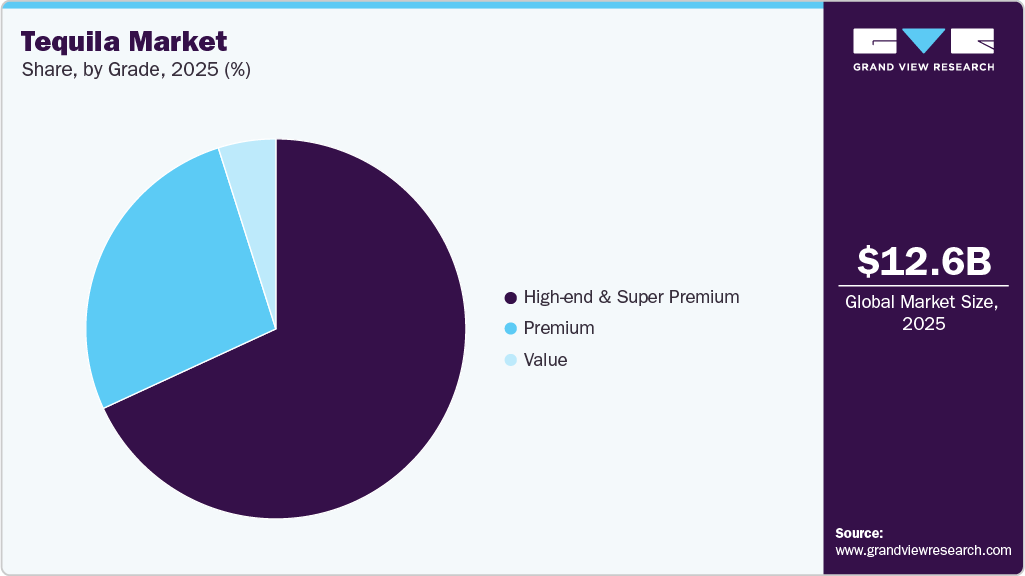
- By grade, high-end & super premium tequila held a revenue share of 68.2% in 2025.
- By distribution channel, the off-trade channel held a revenue share of 73.2% in 2025.
Market Size & Forecast
- 2025 Market Size: USD 12,565.8 Million
- 2033 Projected Market Size: USD 25,073.7 Million
- CAGR (2026-2033): 9.0%
- North America: Largest market in 2025
This trend is particularly pronounced among younger consumers, with 54% of those aged 18-34 preferring premium ones. The premium segment is projected to grow substantially, contributing significantly to revenue growth in the tequila industry. Consumer education and awareness are crucial factors in the growth of the tequila market. As consumers become more knowledgeable about the differences between tequila and mezcal, demand for authentic products is growing. Approximately 60% of consumers know these spirits' unique production methods and flavor profiles, enhancing their market appeal. This increased awareness also fosters a greater appreciation for the craftsmanship that goes into producing high-quality tequila. For instance, El Tesoro Mundial: Yamazaki Edition (2025) is a limited-edition premium añejo finished in Japanese whisky casks, released as part of El Tesoro’s Mundial collection to showcase cross-category innovation.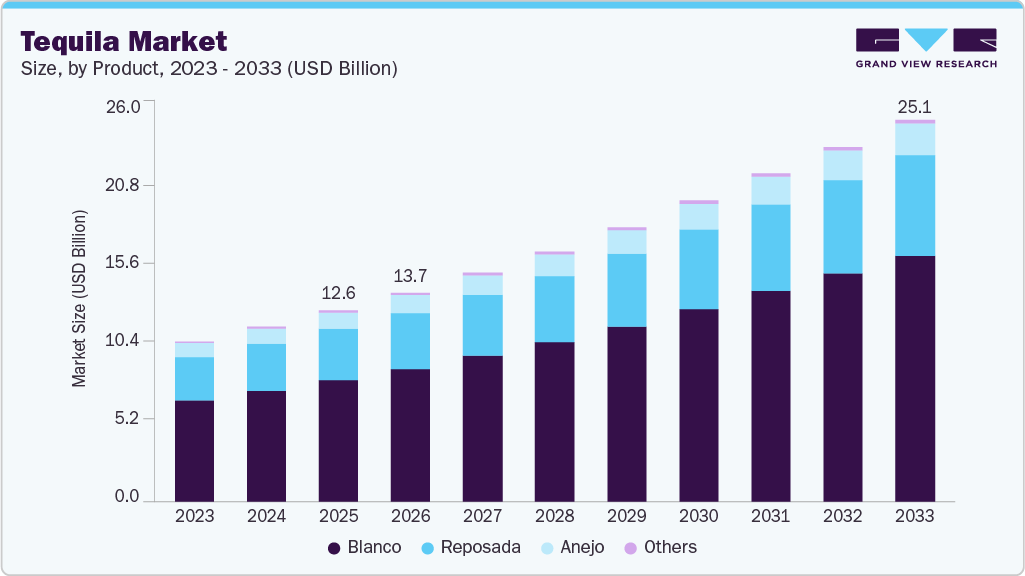
North America remains the dominant tequila industry, accounting for over two-thirds of global tequila sales in 2025. The U.S. tequila market alone is expected to grow significantly, driven by evolving consumer tastes and an increasing inclination toward agave-based spirits. Meanwhile, Europe and Asia also witness rising demand for premium spirits, further expanding the industry's reach.
One of the primary market growth drivers is the significant rise in global exports and cross-border consumption. Mexico exported approximately 402 million liters of tequila in 2024, reflecting a 133% increase over the past decade, demonstrating strong global demand and market expansion. Additionally, in 2024 alone, tequila exports reached 400.3 million liters, highlighting continued growth driven by international markets such as the United States, Germany, Canada, and Japan. The U.S. remains the dominant importer, purchasing over 334 million liters in 2024, indicating tequila’s deep penetration in major spirits markets.
There has been a notable rise in consumer curiosity about tequila, particularly among younger demographics. This interest is fueled by a desire to explore international spirits and unique drinking experiences. The region's expanding middle class and rising disposable incomes have made premium and craft spirits more accessible to consumers in countries such as China, Japan, and India. As urbanization continues to progress in Asia Pacific, social lifestyles are evolving. The region's young adults are increasingly adopting Western drinking habits, including a growing preference for cocktails featuring tequila. This trend is particularly evident in major urban centers where cocktail culture thrives.
A major trend shaping the market is the rapid shift toward premium and super-premium tequila products. Production of 100% agave tequila increased by 151% between 2018 and 2023, reflecting growing consumer preference for higher-quality, authentic spirits. Premium tequila bottles priced above USD 50 recorded 14% sales growth, and the average tequila bottle price increased by approximately 20% over the past five years, highlighting strong premiumization trends.
This shift is driven by evolving consumer preferences, particularly among millennials and urban consumers who prioritize authenticity, craftsmanship, and premium drinking experiences. High-end tequila is increasingly consumed neat or in premium cocktails rather than as a low-cost shot, elevating its market positioning.
The rise of cocktail culture has significantly transformed tequila's image, elevating it from a simple party drink to a sophisticated spirit used in a range of cocktails. This shift has led to increased interest in tequila-based cocktails such as Palomas and Margaritas, which are becoming staples in bars and restaurants. In addition, manufacturers are innovating by introducing ready-to-drink (RTD) cocktails that cater to at-home consumption trends, further fueling the market growth.
The penetration of e-commerce has significantly impacted tequila sales, especially after the pandemic, which accelerated online purchasing. Consumers are increasingly inclined to buy alcoholic beverages online, providing new opportunities for the expansion of the tequila industry.
One of the primary challenges is the limited supply of blue agave, the essential ingredient for tequila production. Agave plants take several years to mature, and environmental factors such as droughts and pests can adversely affect yields, leading to supply shortages and price volatility. This situation is compounded by the strict regulatory environment governing tequila production, which includes rigorous standards for labeling and geographical indications. These regulations can create barriers for new entrants and stifle innovation within the industry, making it difficult for smaller brands to compete against established players.
Economic factors also play a crucial role; the tequila market’s performance depends heavily on economic conditions in key importing countries, such as the United States and Canada. Economic downturns or shifts in consumer spending patterns can significantly impact demand for tequila products. Lastly, issues related to supply chain stability further complicate production efforts, particularly concerning the sourcing of agave. These combined restraints highlight the complexities producers must navigate to maintain growth.
Consumer Insights
Consumer trends and preferences in the tequila market have evolved significantly due to premiumization, changing demographics, cocktail culture, sustainability awareness, and digital influence. These trends are increasingly shaping purchasing behavior globally, particularly among millennials and urban consumers.
One of the most prominent consumer trends is the strong shift toward premium and ultra-premium tequila. Consumers are increasingly prioritizing quality, authenticity, and aged variants such as añejo and extra añejo. Premium and super-premium tequila now account for nearly 45% of total tequila consumption, highlighting the growing willingness to pay for superior taste and production quality.
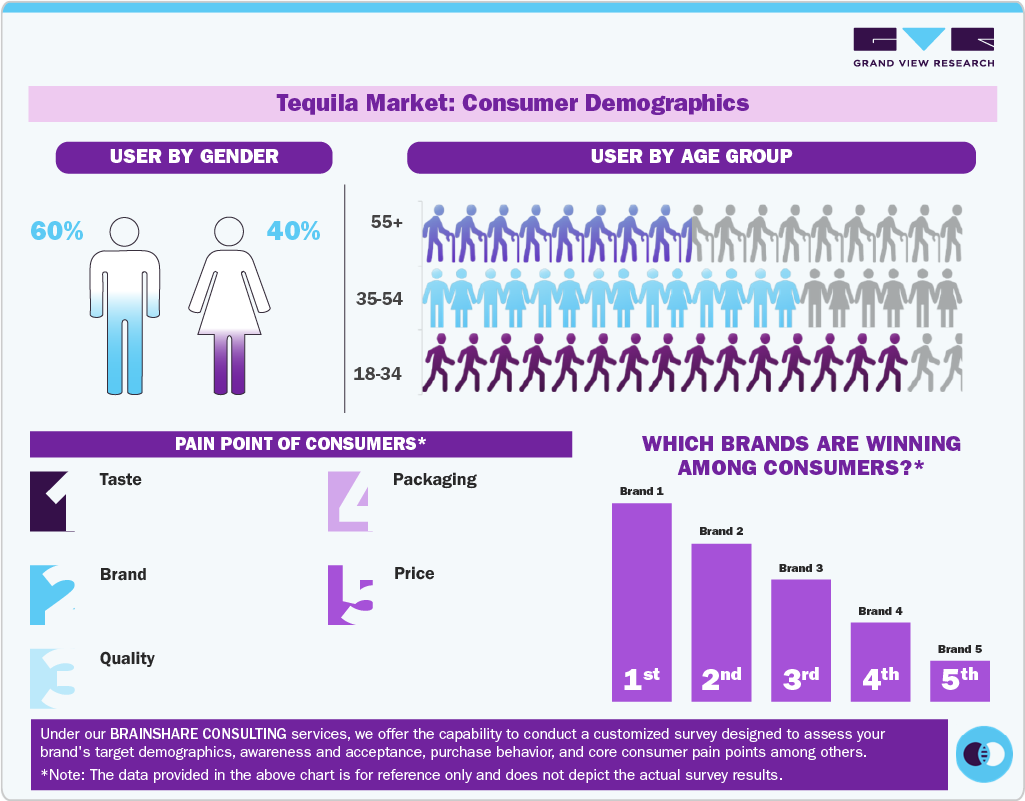
Furthermore, approximately 68% of millennials prefer buying premium tequila, reflecting a broader shift toward “quality over quantity” and experiential consumption. Younger consumers are also driving category growth, with millennials accounting for about 65% of tequila consumption growth over the past five years. This trend is reinforced by increasing disposable incomes, lifestyle-driven consumption, and a preference for luxury and artisanal alcoholic beverages.
Product Insights
Blanco tequila was the most extensively consumed product, with a tequila industry share of 63.45% in 2025. The growth of the Blanco tequila segment is propelled by several key market drivers that underscore its popularity and versatility. Blanco tequila is favored for its clean and crisp profile. It is an ideal base for a wide range of cocktails, particularly classics like Margaritas and Palomas. This versatility has made it a staple in bars and restaurants, contributing significantly to its market dominance.
The rising premiumization trend is another crucial factor driving the demand for Blanco tequila. Consumers increasingly seek high-quality spirits from 100% blue agave, reflecting a broader shift towards artisanal and premium beverages. This trend is particularly pronounced among younger consumers, who prioritize authenticity and are willing to pay more for superior products. In addition, blanco tequila is often perceived as a more authentic and traditional option than aged varieties, thereby enhancing its appeal among consumers seeking genuine experiences.
Increased consumer education about different types of tequila and their production methods has led to a greater appreciation for Blanco tequila. As consumers become more knowledgeable about the nuances of agave spirits, they are more inclined to explore and enjoy various offerings within the category. These combined factors position Blanco tequila favorably within the global spirits market, driving its continued growth and popularity.
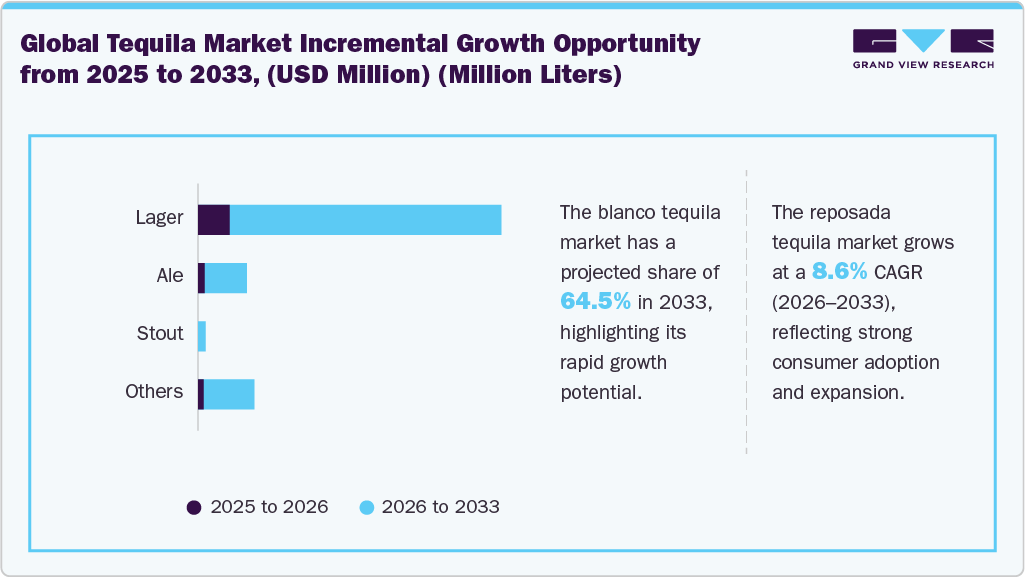
The reposado tequila market is expected to grow at a CAGR of 8.6% from 2026 to 2033. The segment is experiencing significant growth, driven by several key market factors that enhance its appeal to consumers. Reposado tequila, aged in oak barrels for at least two months and up to a year, offers a unique flavor profile that combines the fresh agave taste of blanco tequila with the complex, mellow notes imparted by the aging process. This balance of flavors has resonated well with consumers seeking more sophisticated drinking experiences.Moreover, the rise of cocktail culture has further propelled the popularity of reposado tequila. Its versatility makes it an excellent choice for crafting cocktails that call for a richer flavor profile, appealing to mixologists and home bartenders alike. The increasing awareness among consumers about the quality and craftsmanship behind reposado tequila, coupled with the growing interest in artisanal and small-batch products, has also contributed to its expanding market presence.
In addition, reposado tequila's ability to cater to diverse taste preferences from those who enjoy the boldness of unaged tequila to those who appreciate the subtleties introduced through aging positions it favorably within the broader spirits market. As consumers continue to explore and experiment with different types of tequila, reposado will likely maintain its upward trajectory in popularity.
Grade Insights
The high-end premium and super-premium tequila market accounted for a revenue share of 68.2% in 2025. High-end premium tequila refers to tequila priced between USD 175 and USD 255, compared to Super Premium, which is tequila priced over USD 255. The super-premium tequila segment is witnessing robust growth driven by several key market drivers that reflect evolving consumer preferences and market dynamics. A significant factor is the increased demand for high-quality spirits, as consumers increasingly seek premium and super-premium options that offer unique and sophisticated drinking experiences. This trend is fueled by rising disposable incomes, particularly among millennials and affluent consumers, who are willing to invest in high-quality products from 100% blue agave.
Moreover, the premiumization trend has gained momentum, with consumers gravitating towards artisanal and craft beverages that emphasize authenticity and traditional production methods. Brands such as Patron, Don Julio, and Clase Azul have successfully capitalized on this trend by highlighting their heritage and craftsmanship, appealing to discerning consumers who value provenance in their purchasing decisions.
The premium tequila market is expected to grow at a CAGR of 8.4% from 2026 to 2033, driven by several key factors that reflect evolving consumer preferences and market dynamics. A primary driver is the increased consumer willingness to pay for quality, as more individuals seek authentic and artisanal products. This trend is particularly pronounced among millennials and affluent consumers who prioritize unique and luxurious drinking experiences. The premium segment, characterized by meticulous production processes, offers richer, more complex flavors than lower-tier options, attracting discerning consumers.
Moreover, the expansion of sales channels, mainly through e-commerce platforms, has made high-end premium tequila more accessible to a broader audience. As consumers become more knowledgeable about tequila's diverse offerings, the appreciation for premium products continues to rise. The presence of significant industry players investing in marketing and product innovation also strengthens this segment's growth potential. Overall, these factors position the high-end premium market for continued expansion, as they align with contemporary trends in the spirits industry.
Distribution Channel Insights
The sales of tequila through the off-trade channel accounted for a share of 73.2% in 2025. The increasing consumer preference for premium and artisanal spirits significantly drives the off-premises sales of tequila. As consumers become more discerning, they are willing to invest in high-quality products that offer unique flavors and traditional production methods. This trend is particularly evident in the growing demand for premium tequila brands, which cater to consumers seeking authentic experiences and distinctive taste profiles. The rise of e-commerce has also expanded access to a wider range of tequila options, allowing consumers to explore styles such as blanco, reposado, and añejo from the comfort of their homes. This shift towards online purchasing has been accelerated by changing consumer habits during the pandemic, where safety and convenience became paramount, leading to increased sales through liquor stores and online retailers.
Moreover, the popularity of ready-to-drink (RTD) tequila cocktails has emerged as a significant driver in the off-trade segment. These convenient, pre-mixed options appeal particularly to younger demographics who favor hassle-free drinking experiences without the need to mix or add additional ingredients. The introduction of various flavored RTD tequila products has further attracted consumers seeking innovative, refreshing options for social gatherings and parties. This trend aligns with the broader growth of the RTD category, which has seen substantial sales increases in recent years. As consumers continue to prioritize convenience alongside quality, off-premises tequila sales are expected to thrive, supported by both traditional retail channels and the expanding online market.
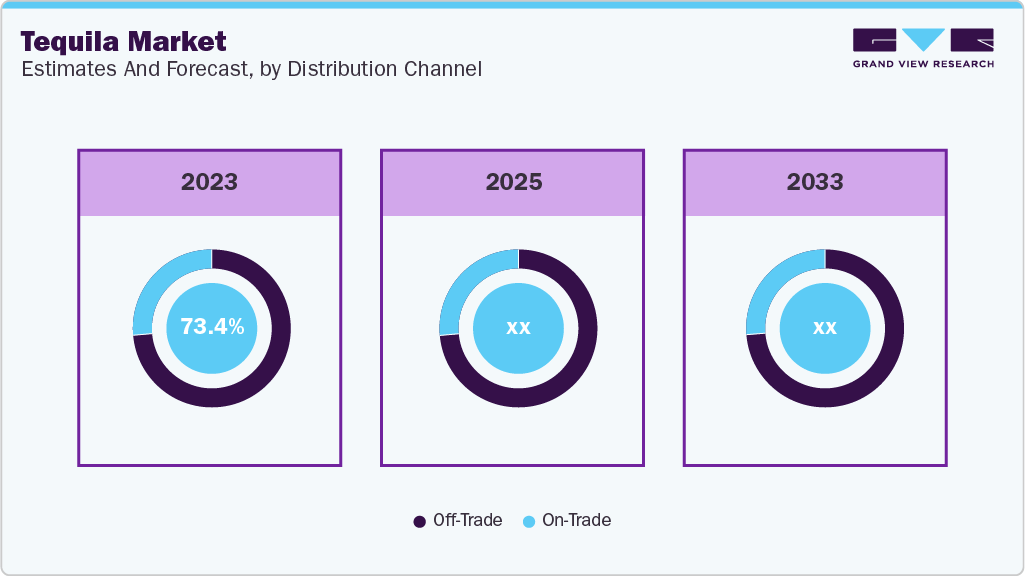
The sales of tequila through the on-trade channel are expected to grow at a CAGR of 9.9% from 2026 to 2033. It is primarily driven by the social and experiential aspects associated with its consumption in bars and restaurants. These venues serve as social hubs where consumers gather to enjoy drinks in a lively atmosphere, making them ideal for tequila, which is often associated with celebration. The interactive nature of on-premise settings allows bartenders to educate patrons about different tequila varieties, enhancing the overall drinking experience. Notably, younger consumers, particularly those aged 18 to 34, are increasingly frequenting these establishments, and many are willing to pay more for premium options. This demographic trend is significant as it aligns with the growing preference for high-quality spirits and unique cocktail experiences, further boosting tequila sales in the on-trade environment.
Regional Insights
The North America tequila industry held the largest revenue share of 63.2% in 2025. The growth in North America is driven by several key factors that reflect changing consumer preferences and economic conditions. One of the primary reasons is the increased consumer demand for premium and craft tequilas, as individuals are becoming more discerning about the quality of spirits they consume. This trend is particularly evident among millennials and affluent consumers willing to pay a premium for high-quality, 100% agave tequilas, often perceived as more authentic and flavorful.
In addition, the transformation of tequila's image from a party drink to a refined spirit has significantly contributed to its popularity. Consumers increasingly appreciate tequila's versatility in cocktails, such as Margaritas and Tequila Sunrises, and as a sipping spirit comparable to whiskey or cognac. This shift is supported by the rise of cocktail culture in bars and restaurants, where mixologists favor high-quality tequila.
Mexico was the second-largest tequila consumer, accounting for nearly 20% of the North American market. The presence of significant distilleries in key tequila-producing regions such as Jalisco, Michoacán, Tamaulipas, Nayarit, and Guanajuato enhances the production capabilities and supports the launch of new products. Expanding sales channels, particularly through on-trade venues such as bars and restaurants, has also increased tequila consumption. As consumer awareness regarding the quality and authenticity of tequila rises, there is a growing appreciation for artisanal brands that emphasize traditional production methods.
U.S. Tequila Market Trends
The U.S. tequila industry is expected to grow CAGR of 8.6% from 2026 to 2033. A significant driver is the increased consumer interest in premium and super-premium tequilas, as individuals are increasingly willing to pay more for high-quality products from 100% blue agave. This trend aligns with the broader movement toward premiumization in the spirits industry, where consumers prioritize quality over quantity. In addition, the rising popularity of cocktail culture has significantly boosted tequila consumption, particularly in bars and restaurants, where classic cocktails like Margaritas and innovative tequila-based drinks are becoming staples on menus.
In addition, the influence of celebrity endorsements and the launches of celebrity-owned tequila brands have generated significant buzz around the category, drawing attention to premium options. Celebrity endorsements are pivotal in driving tequila sales in the U.S., significantly influencing consumer perceptions and purchasing behaviors. High-profile figures such as George Clooney, Dwayne "The Rock" Johnson, and Kendall Jenner have successfully launched their tequila brands, creating a strong association between these celebrities and the spirit. This association not only elevates tequila's status to a luxury item but also attracts diverse consumer demographics, particularly younger audiences who are fans of these celebrities.
Asia Pacific Tequila Market Trends
The Asia Pacific tequila industry is expected to grow at a CAGR of 9.7% from 2026 to 2033. One of the primary drivers is the increasing disposable income among consumers in countries such as China, Japan, and India. As the middle class expands and more individuals gain higher earnings, there is a growing willingness to spend on premium and craft spirits, including tequila. This trend is particularly pronounced among younger consumers eager to explore international beverages and unique drinking experiences. Premium and super-premium tequila segments are particularly driving the industry expansion, supported by younger consumers seeking international spirits and luxury lifestyle products. Additionally, agave spirit imports in Japan increased by 22% in 2024, demonstrating strong growth in premium categories driven by cocktail culture and high-end bar experiences.
The tequila market in India is experiencing strong growth, driven by rising disposable incomes, urbanization, and premiumization. Rising cocktail consumption in metropolitan areas such as Mumbai, Delhi, and Bengaluru is driving tequila demand, as consumers increasingly shift toward premium international spirits and cocktail-based drinking experiences. Additionally, agave-based spirits recorded 36% volume growth in India in 2024, highlighting strong consumer interest in tequila and related categories. Another significant trend is the entry of domestic producers and celebrity-backed tequila brands targeting premium and luxury segments. For instance, Radico Khaitan launched a luxury tequila brand, premium-priced, reflecting increasing demand for ultra-premium products among affluent Indian consumers. Furthermore, tequila imports into India increased significantly, rising from 464,000 liters in 2022 to over 1.06 million liters in 2023, a growth rate exceeding 129%, indicating strong expansion driven by urban millennial consumers and evolving alcohol preferences.
Europe Tequila Market Trends
Europe represents one of the fastest-growing markets for tequila globally. Tequila exports to Europe exceeded 34.8 million liters in 2023, reflecting strong demand growth across key markets such as the UK, Germany, France, and Spain. Premium tequila imports increased by 38% between 2021 and 2024, driven by consumers shifting toward high-quality, aged tequila varieties such as reposado and añejo. A major trend in Europe is the premiumization of spirits consumption and the expansion of mixology culture. Approximately 46% of tequila demand in Europe is driven by premium and aged tequila variants, supported by increased consumer awareness, upscale nightlife venues, and premium retail availability.
Additionally, tequila cocktail consumption increased by 29% between 2021 and 2024, supported by over 24,000 bars actively promoting tequila-based drinks, demonstrating its growing acceptance in mainstream nightlife culture. European consumers are also increasingly interested in organic and sustainable tequila products, reflecting broader trends in alcohol consumption toward sustainability and authenticity.
The tequila market in the Germany is expected to grow at a CAGR of 9.4% from 2026 to 2033. Germany is one of the leading markets for tequila in Europe, driven by strong import volumes and growing premium spirit consumption. Germany imports approximately 4 million liters of tequila annually, highlighting its status as a key European tequila consumer market. Germany also accounted for approximately 24% of Europe’s premium tequila consumption in 2026, reflecting high demand for premium and artisanal tequila among affluent consumers.
Another major trend in Germany is the growing popularity of cocktail culture and luxury spirits. Tequila is increasingly positioned as a premium lifestyle beverage, particularly among millennials and Gen Z consumers seeking authentic, craft, and high-quality spirits. Germany is also among the largest tequila importers globally, with consumption reaching over 8 million liters annually in recent years, supported by nightlife culture and rising consumer awareness. Additionally, the expansion of duty-free retail, specialty liquor stores, and premium bars is improving tequila's accessibility, further supporting the industry's growth.
Key Tequila Company Insights
The competitive landscape of the tequila market is characterized by a mix of established brands and emerging players, each vying for market share in a rapidly growing industry. North America dominates the tequila industry, accounting for over 60% of global tequila sales, with major players such as Jose Cuervo, Patrón, Don Julio, and Sauza leading the charge. In addition, the rise of celebrity-owned tequila brands has further intensified competition, as high-profile endorsements draw new consumers into the category. Brands like Casamigos (co-founded by George Clooney) and Teremana (founded by Dwayne Johnson) have gained substantial market traction, appealing particularly to younger demographics.
Key Tequila Companies:
The following key companies have been profiled for this study on the tequila market.
- Jose Cuervo
- Patrón
- Don Julio
- Sauza
- 1800 Tequila
- El Jimador
- Milagro
- Clase Azul
- Espolón
- Olmeca (including Altos)
- Casamigos
- Tres Generaciones
- Código 1530
- Corralejo
- Maestro Dobel
Recent Developments
-
In September 2025, La Pulga Tequila, the hometown tequila brand founded by restaurateur Sarah Castillo, is releasing its second Horned Frogs edition—a striking black-label Blanco tequila designed in tribute to TCU’s blackout tradition.
-
In June 2025, Santo Spirits announced the first limited-edition offering in its portfolio of agave spirits with the launch of Santo Tequila Extra Añejo.
-
In January 2025, Meximodo Tequila Blanco, a women-led organic tequila, launched in the premium spirits category, emphasizing clean ingredients and distinctive positioning.
Tequila Market Report Scope
Report Attribute
Details
Market size value in 2026
USD 13,714.2 million
Revenue forecast in 2033
USD 25,073.7 million
Growth rate
CAGR of 9.0% from 2026 to 2033
Actuals
2021 - 2025
Forecast period
2026 - 2033
Quantitative units
Revenue in USD million/billion, volume in million liters, and CAGR from 2026 to 2033
Report coverage
Revenue forecast, volume forecast, company ranking, competitive landscape, growth factors, and trends
Segments covered
Product, grade, distribution channel, region
Regional scope
North America; Europe; Asia Pacific; Central & South America; Middle East & Africa
Country scope
U.S.; Canada; Mexico; Germany; UK; France; Italy; Spain; China; Japan; India; Australia & New Zealand; South Korea; Brazil; South Africa
Key companies profiled
Jose Cuervo; Patrón; Don Julio; Sauza; 1800 Tequila; El Jimador; Milagro; Clase Azul; Espolón; Olmeca (including Altos); Casamigos; Tres Generaciones; Código 1530; Corralejo; Maestro Dobel
Customization scope
Free report customization (equivalent up to 8 analysts working days) with purchase. Addition or alteration to country, regional & segment scope.
Pricing and purchase options
Avail customized purchase options to meet your exact research needs. Explore purchase options
Global Tequila Market Report Segmentation
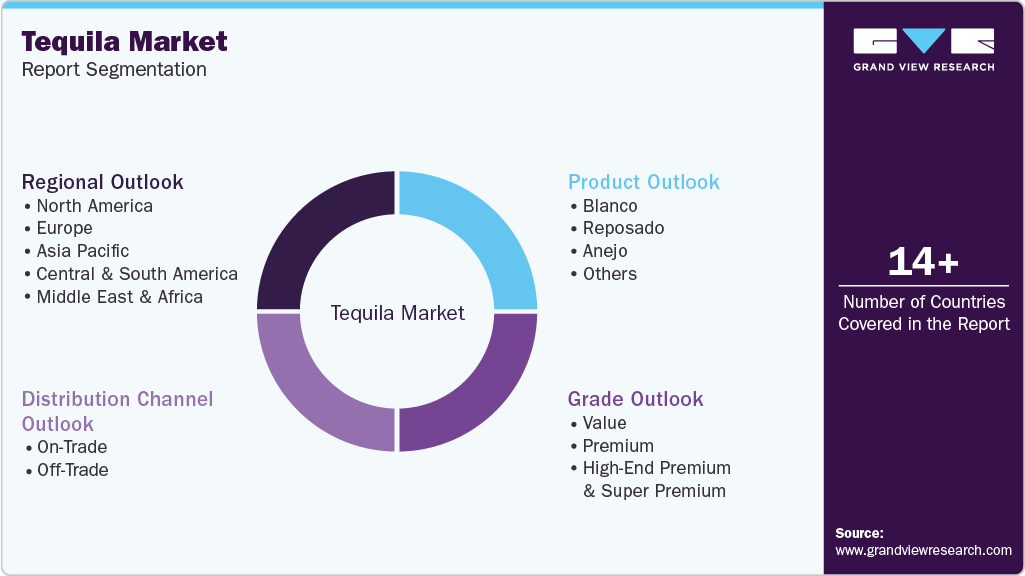
This report forecasts volume & revenue growth at the global, regional, and country levels and provides an analysis of the latest industry trends and opportunities in each of the sub-segments from 2021 to 2033. For this study, Grand View Research has segmented the global tequila market report based on product, grade, distribution channel, and region:
-
Product Outlook (Volume, Million Liters; Revenue, USD Million, 2021 - 2033)
-
Blanco
-
Reposado
-
Anejo
-
Others
-
-
Grade Outlook (Volume, Million Liters; Revenue, USD Million, 2021 - 2033)
-
Value
-
Premium
-
High-End Premium & Super Premium
-
-
Distribution Channel Outlook (Volume, Million Liters; Revenue, USD Million, 2021 - 2033)
-
On-Trade
-
Off-Trade
-
-
Regional Outlook (Volume, Million Liters; Revenue, USD Million, 2021 - 2033)
-
North America
-
U.S.
-
Canada
-
Mexico
-
-
Europe
-
Germany
-
UK
-
France
-
Italy
-
Spain
-
-
Asia Pacific
-
China
-
Japan
-
India
-
Australia & New Zealand
-
South Korea
-
-
Central & South America
-
Brazil
-
-
Middle East & Africa
-
South Africa
-
-
Frequently Asked Questions About This Report
b. The global tequila market was valued at USD 12,565.79 million in 2025 and is expected to reach USD 13,714.22 million in 2026.
b. Some of the key players operating in the tequila market include Jose Cuervo; Patrón; Don Julio; Sauza; 1800 Tequila; El Jimador; Milagro; Clase Azul; Espolón; Olmeca (including Altos); Casamigos; Tres Generaciones; Codigo 1530; Corralejo; Maestro Dobel
b. A significant driver is the increasing demand for premium and artisanal tequila. Consumers are shifting their focus toward quality over quantity, with many willing to pay more for high-quality, 100% agave tequilas. This trend is particularly pronounced among younger consumers, with 54% of those aged 18-34 preferring premium options. The premium segment is projected to grow substantially, contributing significantly to revenue growth in the industry.
b. The global tequila market is expected to expand at a compound annual growth rate (CAGR) of 9.0% from 2026 to 2033 to reach USD 25,073.74 million by 2033.
b. The high-end premium and super-premium tequila segments were the largest together, accounting for a market share of 68.16% in 2025. High-end premium tequila refers to tequila priced between USD 175 and USD 255, compared to Super Premium, which is tequila priced over USD 255.


Share this report with your colleague or friend.
Need a Tailored Report?
Customize this report to your needs — add regions, segments, or data points, with 20% free customization.


ISO 9001:2015 & 27001:2022 Certified
We are GDPR and CCPA compliant! Your transaction & personal information is safe and secure. For more details, please read our privacy policy.
Trusted market insights - try a free sample
See how our reports are structured and why industry leaders rely on Grand View Research. Get a free sample or ask us to tailor this report to your needs.












