
- Home
- »
- Consumer F&B
- »
-
Specialty Coffee Market Size & Share, Industry Report, 2033GVR Report cover
![Specialty Coffee Market Size, Share & Trends Report]()
Specialty Coffee Market (2026 - 2033) Size, Share & Trends Analysis Report By Age Group (18-24 Years, 25-39 Years, 40-59 Years, Above 60), By Distribution Channel (Retail, Away From Home), By Region, And Segment Forecasts
- Report ID: GVR-4-68040-060-1
- Number of Report Pages: 108
- Format: PDF
- Historical Range: 2021 - 2025
- Forecast Period: 2026 - 2033
- Industry: Consumer Goods
- Report Summary
- Table of Contents
- Interactive Charts
- Methodology
- Download FREE Sample
-
 Download Sample Report
Specialty Coffee Market Summary
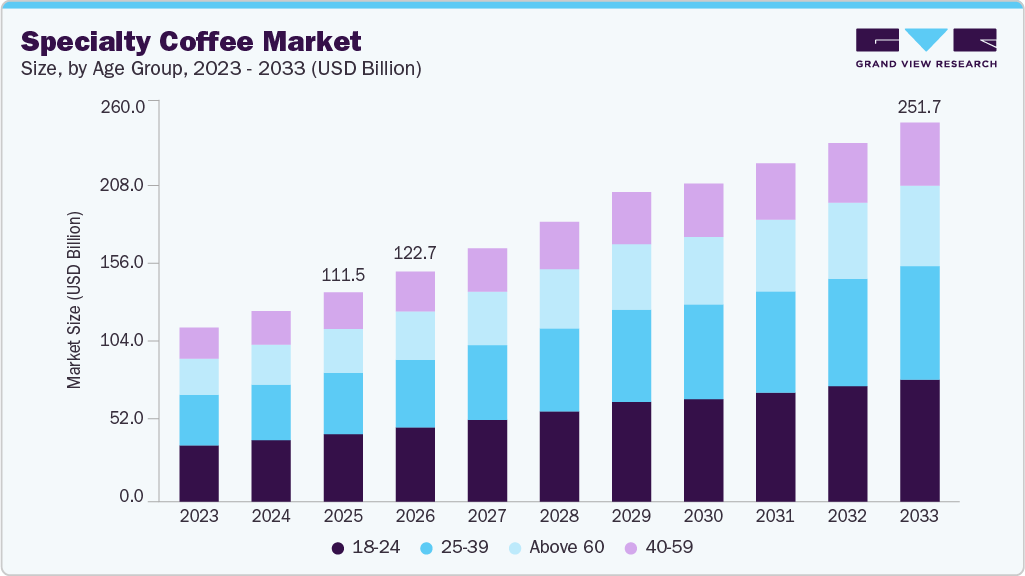
The global specialty coffee market size was estimated at USD 111.5 billion in 2025 and is projected to reach USD 251.70 billion by 2033, growing at a CAGR of 10.8% from 2026 to 2033. The market growth can be attributed to evolving consumer preferences and an increased awareness of high-quality coffee products.
Key Market Trends & Insights
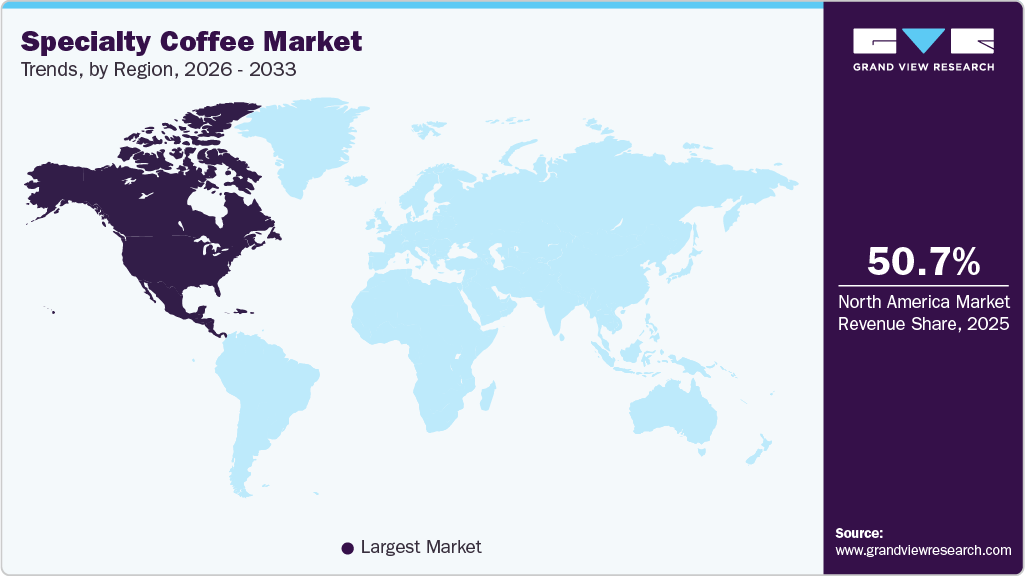
- By region, North America led the market with a share of 50.7% in 2025.
- The U.S. specialty coffee industry held the largest share of North America in 2025.
- By age group, the 18-24 age group segment accounted for a revenue share of 32.3% in 2025.
- By distribution channel, away-from-home sales segment accounted for a market share of 72.4% in 2025.
Market Size & Forecast
- 2025 Market Size: USD 111.5 Billion
- 2033 Projected Market Size: USD 251.70 Billion
- CAGR (2026-2033): 10.8%
- North America: Largest market in 2025
One of the most compelling trends is the increasing interest among consumers in ethically sourced and sustainably produced coffee. Moreover, certifications such as Fair Trade, Rainforest Alliance, and organic labeling are becoming key benchmarks for consumers when selecting coffee. As more coffee brands embrace transparent sourcing practices and invest in sustainability initiatives, they cater to a market segment that prioritizes ethical consumption and environmental stewardship, thereby further fueling demand for specialty coffee.The growing coffee culture, particularly among millennials and Generation Z, is expected to boost product demand in the specialty coffee industry. The emergence of third-wave coffee shops, which prioritize artisanal brewing techniques and unique coffee origins, has cultivated a culture of exploration and appreciation for the sensory experience of coffee. Moreover, customers are increasingly seeking knowledge about the origins of their coffee beans, preparation methods, and flavor profiles, prompting coffee brands to adapt their marketing strategies to educate consumers about the demand for specialty coffee.
The rise of the 'at-home coffee experience' during and following the COVID-19 pandemic has also significantly spiked interest in specialty coffee. As many consumers shifted to remote work and sought out ways to recreate café experiences at home, there was a notable increase in the purchase of high-quality coffee beans and brewing equipment. Home barista culture gained momentum, with consumers investing in espresso machines, pour-over kits, and grinder technologies to achieve café-quality coffee at home. This trend reflects the increasing desire for controlled and curated coffee experiences, further driving the overall market growth as consumers seek to replicate their favorite coffee shop beverages.
Online sales are surging as consumers increasingly prefer the convenience and variety offered by e-commerce platforms. Many coffee brands are harnessing the power of social media and digital marketing to build loyal customer bases and showcase their unique blends. Meanwhile, brick-and-mortar cafes continue to serve as vital touchpoints for consumers, allowing them to engage with the product and brand at a personal level. Additionally, partnerships with gourmet food retailers and premium grocery chains are proving effective in reaching a wider audience.
Technological advancements also play a significant role in the specialty coffee market. Improvements in coffee processing techniques, brewing technology, and data analytics have enhanced the quality and consistency of coffee products. Roasters and brewers now utilize sophisticated software and equipment to refine their techniques, resulting in innovative products that cater to discerning tastes. Additionally, innovations in cold brew and nitro coffee formats have expanded the product offerings available to consumers, further enticing them to explore specialty options. As personal preferences shift towards convenience and quality, coffee brands that invest in modern brewing technology and inventive product formulations are likely to gain a competitive edge.
Age Group Insights
The 18-24 years segment led the specialty coffee market, accounting for a revenue share of 32.3% in 2025, driven by a distinctive blend of lifestyle choices and social media influence. This demographic, often labeled as millennials and Generation Z, emphasizes unique experiences and high-quality products. They are increasingly drawn to artisanal brands that promote sustainability and ethical sourcing, reflecting their broader values of social responsibility and environmental consciousness. Moreover, digital engagement is another key trend among the 18-24 age group, as they are avid users of social media platforms like Instagram and TikTok, where visually appealing coffee presentations can go viral. This accessibility to information and experiences drives their preference for trendy coffee beverages, such as cold brews and nitro coffee, which appeal to their desire for novelty and excitement.
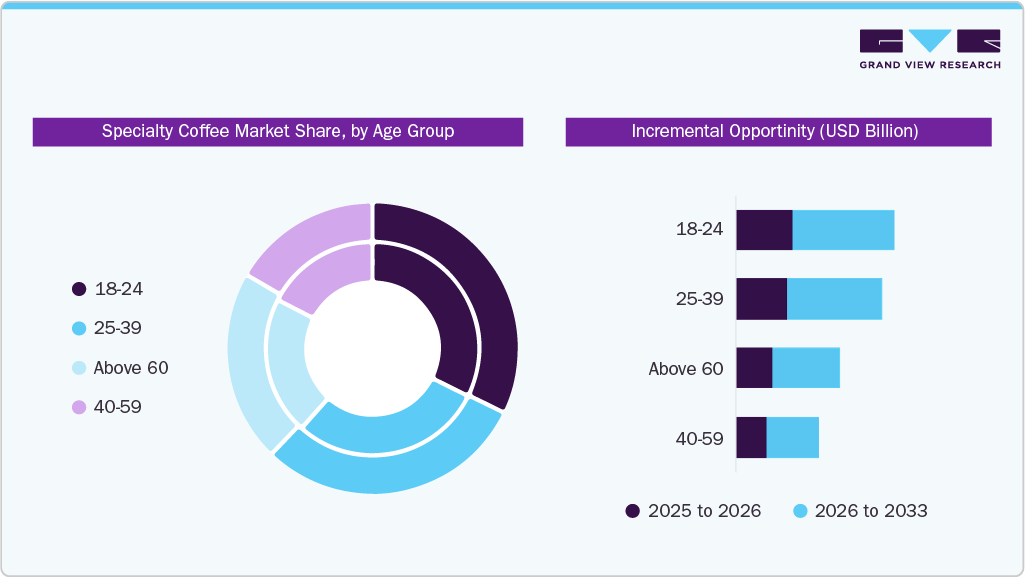
The 25-39 years segment is expected to grow at a CAGR of 7.7% from 2026 to 2033. This demographic tends to prioritize quality over quantity, often seeking out premium coffee experiences that align with their evolving tastes and schedules. As professionals with disposable income, they are increasingly willing to invest in high-quality coffee products that enhance their daily routines, whether at home or in artisanal cafés. Moreover, this age group is heavily influenced by health and wellness trends, leading to increased demand for organic, fair-trade, and health-conscious coffee options. They are also more likely to explore alternative coffee beverages, such as plant-based or low-calorie options, reflecting their interest in personal health management.
Distribution Channel Insights
The sales of specialty coffee through away-from-home channels accounted for a revenue share of 72.4% in 2025. As consumer preferences evolve, an increasing number of coffee enthusiasts are seeking high-quality, artisanal coffee experiences outside their homes. This trend is fueled by a growing café culture, especially among younger demographics who prioritize social interaction and unique tasting experiences. Establishments such as specialty coffee shops, cafes, and restaurants are adapting their offerings to include single-origin brews, artisan blends, and hands-on barista techniques, effectively catering to the discerning tastes of their clientele. Additionally, the rise of remote work has transformed traditional workspaces into informal social hubs where people congregate to enjoy specialty coffee, further driving its demand in the away-from-home segment.
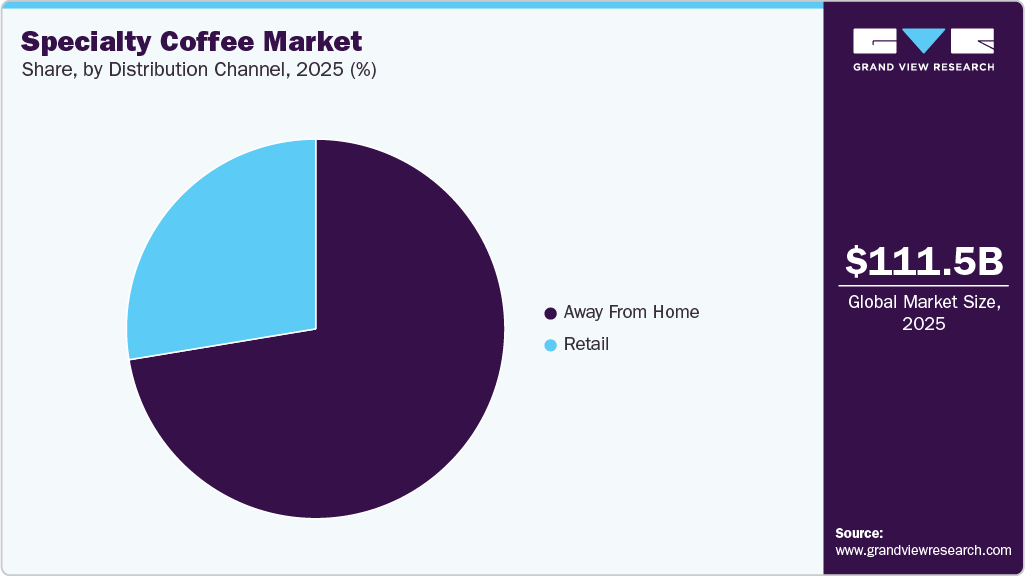
The sales of specialty coffee through retail channels are expected to grow at a CAGR of 8.1% from 2026 to 2033, propelled by the increasing availability and accessibility of premium products in supermarkets and convenience stores. As consumers become more educated about coffee quality and origins, they are demanding better choices even in their everyday shopping experiences. Moreover, e-commerce platforms provide consumers with unparalleled access to a vast array of specialty coffees, often accompanied by detailed ratings, reviews, and origin stories, empowering informed purchasing decisions. Additionally, attractive packaging and marketing campaigns are enhancing consumer awareness and interest, thereby driving sales in this distribution channel.
Regional Insights
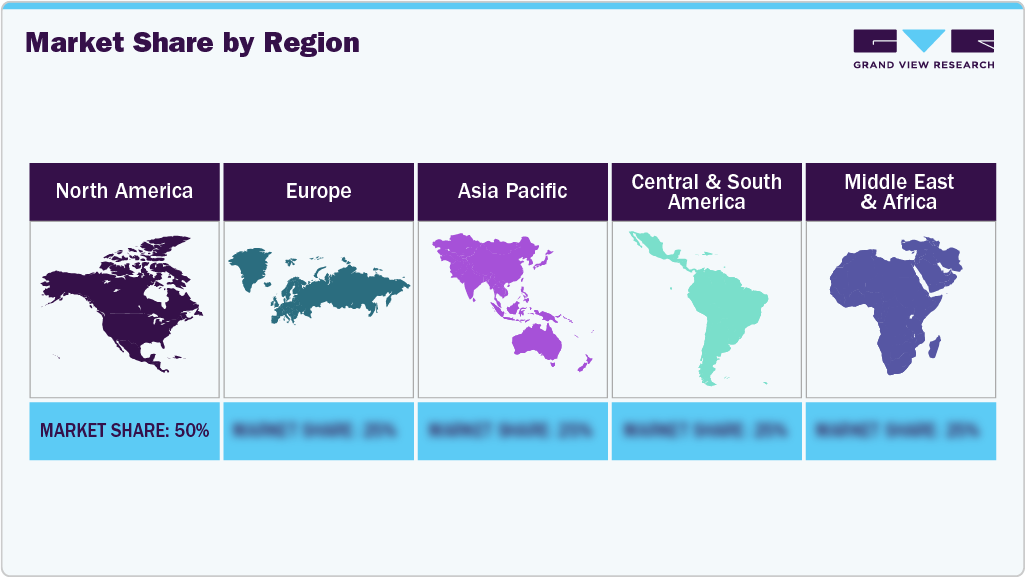
The specialty coffee industry in North America accounted for a revenue share of 50.7% in 2025, driven primarily by an increasing consumer preference for high-quality, ethically sourced coffee. Specialty coffee shops have proliferated in urban areas, emphasizing craftsmanship and unique flavor profiles. Consumers are becoming more aware of the coffee supply chain, fostering a demand for transparency and sustainability, which specialty coffee brands are keen to fulfill. Additionally, trends such as the rise of cold brew and nitro coffee have attracted new demographics, particularly younger consumers, to specialty coffee drinks.
U.S. Specialty Coffee Market Trends
The U.S. specialty coffee industry is expected to grow at a CAGR of 9.9% from 2026 to 2033, driven largely by the increasing consumer preference for high-quality, ethically sourced coffee. Americans are becoming more discerning coffee drinkers, with a growing appreciation for artisanal brewing methods and unique flavor profiles. Moreover, the rise of third-wave coffee shops and roasters has played a significant role in educating consumers about the intricacies of coffee production and brewing, further fueling demand.
Europe Specialty Coffee Market Trends
The specialty coffee industry in Europe is expected to grow at a CAGR of 10.7% from 2026 to 2033. European coffee drinkers are increasingly valuing quality over quantity, reflected in the thriving third-wave coffee movement that emphasizes artisanal coffee preparation and unique flavor profiles sourced from quality beans. This region's market is notably influenced by the popularity of specialty coffee shops that offer highly curated coffee experiences, providing consumers with an opportunity to explore various brewing methods, such as pour-over and Aeropress. Moreover, the demand for sustainable practices is also prominent, as consumers in Europe show a keen interest in ethically sourced coffee, with certifications like Fair Trade and Rainforest Alliance gaining traction.
Asia Pacific Specialty Coffee Market Trends
The specialty coffee industry in the Asia Pacific is expected to grow at a CAGR of 12.6% from 2026 to 2033, spurred by a burgeoning middle class with increasing disposable incomes and an evolving coffee culture. Countries like China, India, Japan, South Korea, and Australia are leading this trend, where consumers are becoming more sensitive about their coffee choices. Moreover, specialty coffee shops are spreading rapidly, often incorporating local flavors and unique brewing techniques, thus creating a fusion between traditional coffee practices and modern preferences. Besides, the younger generation is influenced by global trends and the rise of café culture, which promotes coffee as a lifestyle choice rather than just a daily beverage.
Key Specialty Coffee Company Insights
The global specialty coffee market is characterized by intense competition among key players seeking to capitalize on the increasing consumer demand for high-quality coffee experiences. Major companies in this sector, such as Starbucks Coffee Company, F. Gaviña & Sons, Inc., Barista Coffee Company Limited, and Kurasu, have adopted a multi-faceted approach to strengthen their market positions.
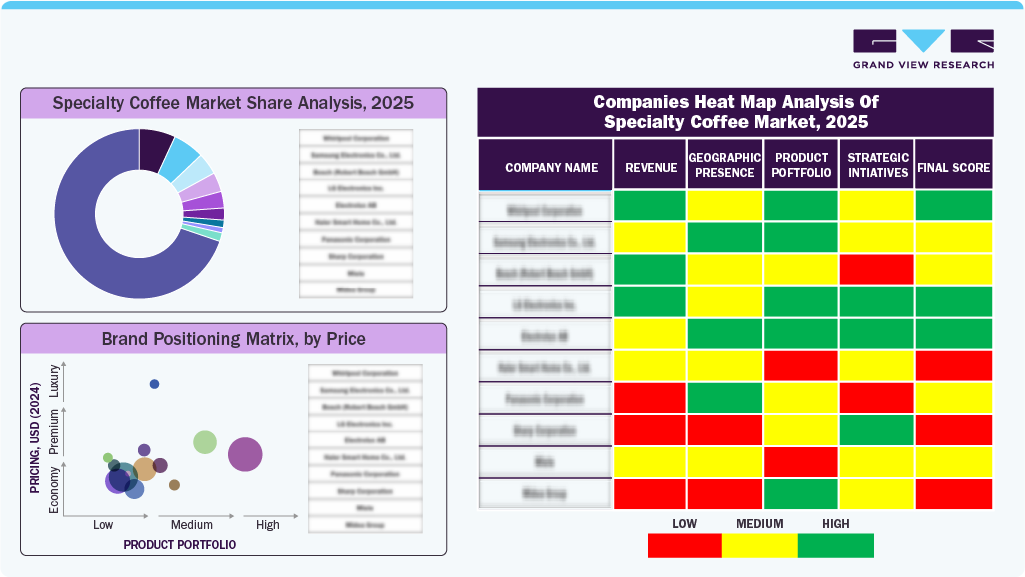
Key players have increased their efforts to launch innovative products tailored to evolving consumer preferences for sustainable, ethically sourced coffee. For instance, Starbucks has expanded its menu to include diverse specialty offerings such as non-dairy milk and cold brews infused with unique flavors. Moreover, partnerships with local coffee growers have enabled these companies to enhance their supply chain sustainability while providing transparency to conscientious consumers.
Key Specialty Coffee Companies:
The following key companies have been profiled for this study on the specialty coffee market.
- Starbucks Coffee Company
- F. Gaviña & Sons, Inc.
- Barista Coffee Company Limited
- Coffee Day Enterprises Ltd.
- Kurasu
- Eight O’Clock Coffee Company
- Keurig Green Mountain Inc.
- Costa Coffee
- The J.M. Smucker Company
- Inspire Brands
Recent Developments
-
In September 2025, Coffee Island, in partnership with Vita Nova, entered the Maharashtra market with two cafés in Pune, India, bringing its European-style specialty coffee experience to the city. The outlets feature signature coffees made from single estate beans, blends, and home blends, alongside an all-day food menu by chef Arjyo Banerjee and a range of retail products, including cold brews, protein coffee, iced teas, and craft chocolates.
-
In August 2024, specialty coffee brand AbCoffee partnered with Shoppers Stop to establish coffee outlets within their stores nationwide. They have launched three new coffee decks in key cities: Delhi, Bengaluru, and Mumbai. This strategic collaboration enhances AbCoffee's brand visibility and customer reach, leveraging Shoppers Stop's strong footfall. It also enriches the retail experience for Shoppers Stop's customers, adding value through in-store dining options.
Specialty Coffee Market Report Scope
Report Attribute
Details
Market size value in 2026
USD 122.68 billion
Revenue forecast in 2033
USD 251.70 billion
Growth rate
CAGR of 10.8% from 2026 to 2033
Actual data
2021 - 2025
Forecast period
2026 - 2033
Quantitative units
Revenue in USD million/billion, and CAGR from 2026 to 2033
Report coverage
Revenue forecast, company ranking, competitive landscape, growth factors, and trends
Segments covered
Age group, distribution channel, region
Regional scope
North America; Europe; Asia Pacific; Latin America; and Middle East & Africa
Country scope
U.S.; Canada; Mexico; UK; Germany; France; Italy; Spain; China; Japan; India; South Korea; Australia & New Zealand; Brazil; and South Africa
Key companies profiled
Starbucks Coffee Company; F. Gaviña & Sons, Inc.; Barista Coffee Company Limited; Coffee Day Enterprises Ltd.; Kurasu; Eight O’Clock Coffee Company; Keurig Green Mountain Inc.; Costa Coffee; The J.M. Smucker Company; Inspire Brands
Customization scope
Free Report customization (equivalent to up to 8 analyst working days) with purchase. Addition or alteration to country, regional & segment scope.
Pricing and purchase options
Avail customized purchase options to meet your exact research needs. Explore purchase options
Global Specialty Coffee Market Report Segmentation
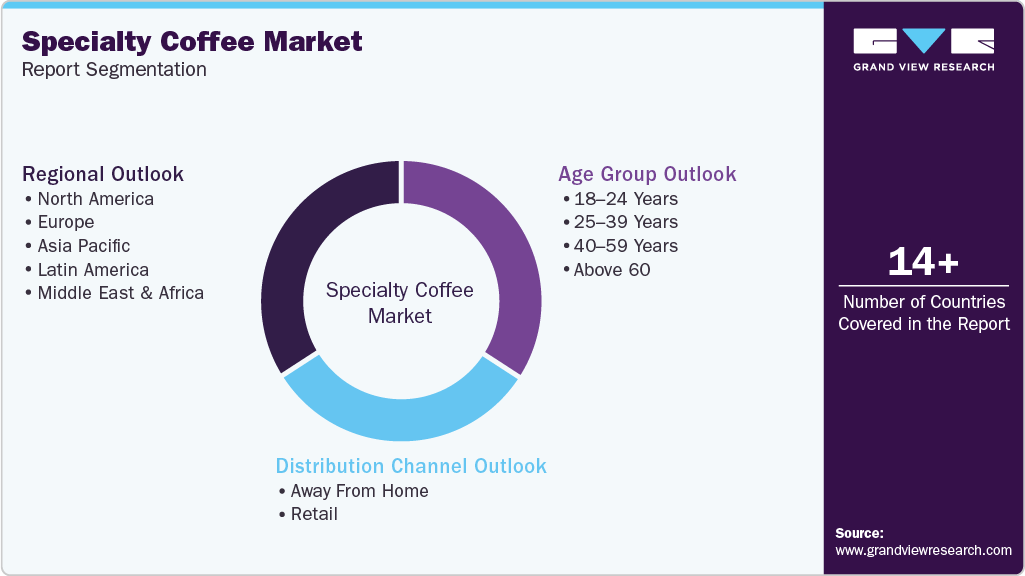
This report forecasts revenue growth at the global, regional, and country levels and provides an analysis of the latest industry trends and opportunities in each of the sub-segments from 2021 to 2033. For this study, Grand View Research has segmented the global specialty coffee market report based on age group, distribution channel, and region:
-
Age Group Outlook (Revenue, USD Billion, 2021 - 2033)
-
18-24 Years
-
25-39 Years
-
40-59 Years
-
Above 60
-
-
Distribution Channel Outlook (Revenue, USD Billion, 2021 - 2033)
-
Away from Home
-
Coffee Shops and Cafes
-
Hotels and Restaurants
-
Others
-
-
Retail
-
Supermarkets & Hypermarkets
-
Convenience Stores
-
Online
-
Others
-
-
-
Regional Outlook (Revenue, USD Billion, 2021 - 2033)
-
North America
-
U.S.
-
Canada
-
Mexico
-
-
Europe
-
UK
-
France
-
Germany
-
Spain
-
Italy
-
-
Asia Pacific
-
China
-
Japan
-
India
-
Australia & New Zealand
-
South Korea
-
-
Latin America
-
Brazil
-
-
Middle East & Africa
-
South Africa
-
-
Frequently Asked Questions About This Report
b. Key factors driving the market growth include rising preference for ready-to-drink coffee and premium coffees and increasing number of coffee shops
b. The global specialty coffee market size was estimated at USD 111.5 billion in 2025 and is expected to reach USD 122.68 billion in 2026
b. The global specialty coffee market is expected to grow at a compound annual growth rate of 10.8% from 2026 to 2033 to reach USD 251.70 billion by 2033.
b. North America dominated the specialty coffee market with a market share of 50.7% in 2025. This is attributed to factors such as increased consumer awareness, a thriving coffee culture, higher disposable incomes, and a desire for high-quality, ethically sourced coffee products.
b. Some key players operating in the specialty coffee market include Starbucks Coffee Company; F. Gaviña & Sons, Inc.; Barista Coffee Company Limited; Coffee Day Enterprises Ltd.; Kurasu; Eight O’Clock Coffee Company; Keurig Green Mountain Inc.; Costa Coffee; The J.M. Smucker Company; Inspire Brands


Share this report with your colleague or friend.
Need a Tailored Report?
Customize this report to your needs — add regions, segments, or data points, with 20% free customization.


ISO 9001:2015 & 27001:2022 Certified
We are GDPR and CCPA compliant! Your transaction & personal information is safe and secure. For more details, please read our privacy policy.
Trusted market insights - try a free sample
See how our reports are structured and why industry leaders rely on Grand View Research. Get a free sample or ask us to tailor this report to your needs.












