
- Home
- »
- Medical Devices
- »
-
Patient Lift Market Size, Share, Growth, Industry Report 2033GVR Report cover
![Patient Lift Market Size, Share & Trends Report]()
Patient Lift Market (2026 - 2033) Size, Share & Trends Analysis Report By Product (Ceiling Lifts, Mobile Lifts, Sit-to-Stand Lifts, Bath/Shower Lifts), By Type (Manual Lifts, Electric Lifts), By End-use (Hospitals, Homecare, Elderly Care), By Region, And Segment Forecasts
- Report ID: GVR-4-68040-853-8
- Number of Report Pages: 120
- Format: PDF
- Historical Range: 2021 - 2025
- Forecast Period: 2026 - 2033
- Industry: Healthcare
- Report Summary
- Table of Contents
- Segmentation
- Methodology
- Download FREE Sample
-
 Download Sample Report
Patient Lift Market Summary
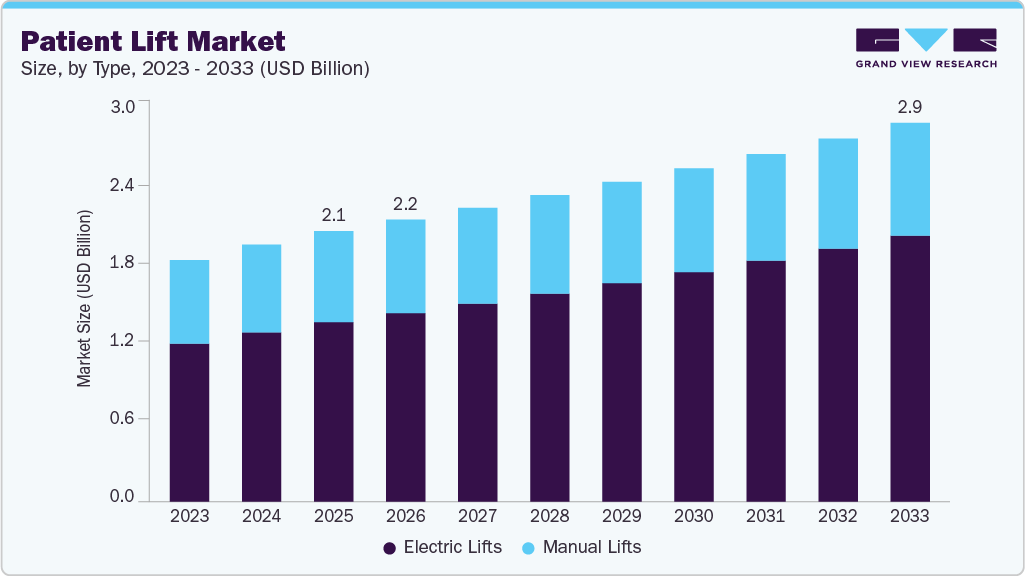
The global patient lift market size was estimated at USD 2.10 billion in 2025 and is projected to reach USD 2.94 billion by 2033, growing at a CAGR of 4.31% from 2026 to 2033. The growth is driven by several key factors, including the rising geriatric population, increasing prevalence of chronic and mobility-related diseases, and growing demand for safe patient handling solutions.
Key Market Trends & Insights
- North America dominated the patient lift market with the largest revenue share of 40.79% in 2025.
- The patient lift market in the U.S. accounted for the largest market revenue share in North America in 2025.
- By product, the mobile lifts segment led the market with the largest revenue share in 2025.
- By type, the electric lifts segment led the market with the largest revenue share in 2025.
- By end use, the hospitals segment led the market with the largest revenue in 2025.
Market Size & Forecast
- 2025 Market Size: USD 2.10 Billion
- 2033 Projected Market Size: USD 2.94 Billion
- CAGR (2026-2033): 4.31%
- North America: Largest market in 2025
As the aging population expands, the need for effective mobility aids to prevent injuries and enhance comfort continues to grow. Hospitals and long-term care facilities are increasingly adopting patient lifts to reduce caregiver strain and comply with safety regulations. Technological advancements, like the development of electric and portable lifts, further boost market growth by improving efficiency and user convenience. The expansion of home healthcare services also contributes significantly to the rising adoption of patient lift systems worldwide.
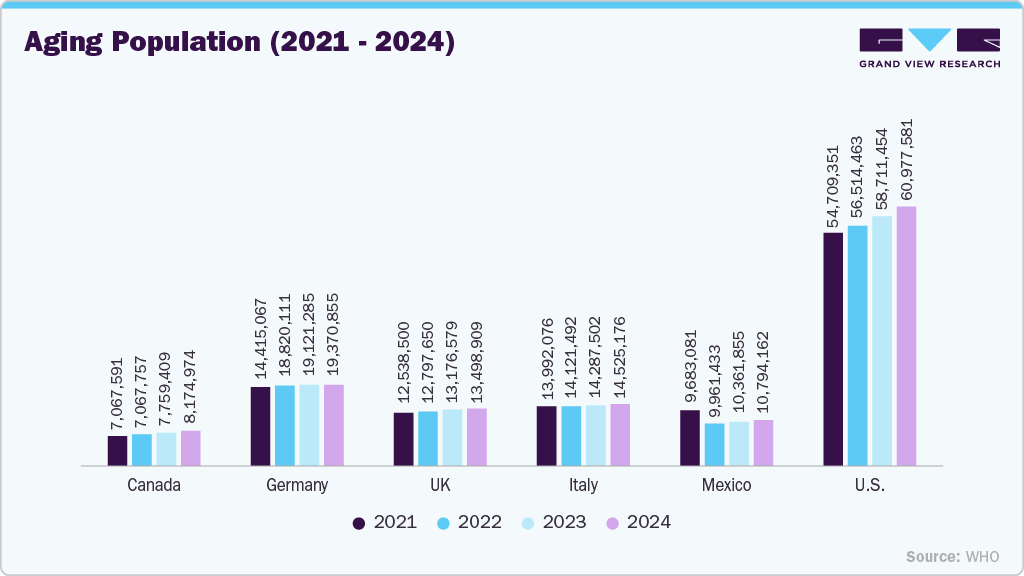
The rising geriatric population is a key driver of the industry, as aging individuals are more prone to mobility challenges, chronic illnesses, and physical weakness that limit independent movement. Older adults often require assistance with daily activities such as transferring from beds to chairs or wheelchairs, making patient lifts essential for ensuring safety and comfort. The increasing prevalence of age-related conditions like arthritis, Parkinson’s disease, and stroke further fuels the demand for reliable lifting equipment in hospitals, nursing homes, and home care settings. With the global trend of longer life expectancy, healthcare systems are expanding elderly care services, creating a sustained need for advanced, easy-to-use patient lift solutions that enhance patient safety and caregiver efficiency.
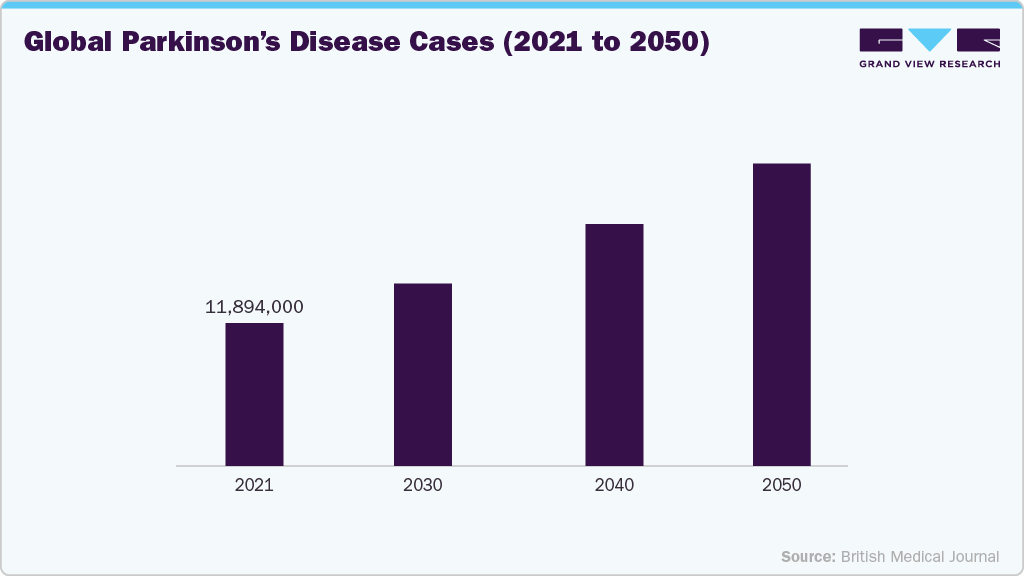
The increasing prevalence of chronic diseases such as arthritis, stroke, obesity, Parkinson’s disease, and Alzheimer’s is significantly driving the patient lift market. These conditions often lead to reduced mobility, muscle weakness, or dependence on caregivers for movement and daily activities. As the number of patients requiring long-term care and rehabilitation grows, hospitals, nursing homes, and home healthcare providers increasingly adopt patient lifts to ensure safe and efficient transfers. These devices prevent injuries during manual handling and improve comfort and dignity for patients with limited mobility. The rising burden of chronic illnesses creates sustained demand for advanced lifting technologies that support quality care and enhance caregiver productivity.
The expansion of rehabilitation and long-term care facilities is a significant factor driving the growth of the market. As the global population ages and the prevalence of chronic conditions such as stroke, arthritis, and neurological disorders increases, the demand for specialized rehabilitation and elderly care centers continues to rise. These facilities require patient lifts to assist in the safe transfer and movement of individuals with limited mobility, reducing the risk of injury to patients and caregivers. Moreover, long-term care settings often deal with patients who need continuous support for daily activities, making reliable and efficient lifting solutions essential for maintaining comfort and safety. The growing investment in healthcare infrastructure, coupled with an emphasis on patient safety, caregiver ergonomics, and quality of care, is leading hospitals, nursing homes, and rehabilitation centers to adopt advanced lifting systems such as ceiling-mounted, mobile, and electric lifts. According to the WHO in 2023, access to quality rehabilitation services in Africa is improving. Since the launch of the Rehabilitation 2030 initiative, 13 of 47 Member States have completed STARS assessments, while four countries (DRC, Cameroon, Liberia, and South Africa) are in progress, and three have completed other assessments-showing growing regional commitment to strengthening rehabilitation services.
“It is a privilege to preside over the inaugural Regional Rehabilitation Meeting, a pivotal platform for nations to exchange expertise and successful strategies. I am optimistic that our collective outcomes will significantly advance the goals of the WHO Rehabilitation 2030 initiative. I eagerly anticipate the progressive dialogue and shared learning that awaits us.” Dr Chiara Retis, VID Team Lead, WHO REGIONAL OFFICE FOR AFRICA
“There is need to invest in African-driven rehabilitation research to address the unique rehabilitation needs in the Region.” Professor Quinette Louw, Distinguished Professor of Rehabilitation, Stellenboch University, South Africa
“Strengthening the rehabilitation and assistive technology workforce is crucial in African nations. Tailored strategies, led by health ministries, should focus on making rehabilitation a key public health service, attracting development partners for support. A phased approach, with specialized programmes and professional training, can combat brain-drain and foster sustainable workforce growth.” Dr Jean de Dieu Habyarimana, Ministry of Health
Market Concentration & Characteristics
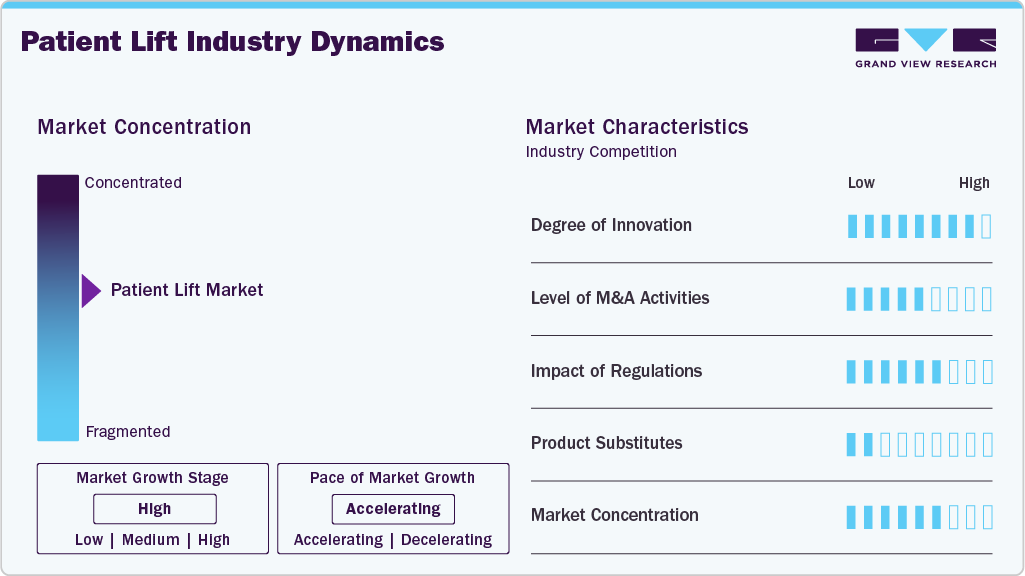
The patient lift industry is in a medium-growth stage, characterized by moderate technological advancement, demand from established healthcare settings, and expanding adoption in outpatient and homecare environments.
The degree of innovation in the industry has advanced significantly in recent years, driven by the growing demand for safer, more innovative, and more efficient mobility solutions. Modern patient lifts integrate electric and hydraulic mechanisms, battery-powered operation, and lightweight, foldable frames for improved portability and convenience. Technological enhancements such as IoT-enabled monitoring, ergonomic design, and advanced safety sensors make these devices more reliable and user-friendly. For instance, in September 2025, advanced patient lift transfer chairs and Hoyer lifts revolutionized home healthcare by enhancing safety and easing patient movement. These portable, compact, and electric-assisted designs reduce fall risks and caregiver strain while enabling smoother transfers. This innovation surge underscores the industry’s commitment to improving patient comfort and caregiver safety in home settings.
Innovations like transfer chairs and home Hoyer lifts aren’t just equipment - they’re lifelines, restoring dignity and independence for families.”- Dr. Laurie Archbald-Pannone
The level of mergers and acquisitions in the market has been moderate but significantly increasing, reflecting growing consolidation among key healthcare equipment manufacturers. Established players are acquiring smaller or specialized mobility solution companies to expand product portfolios, strengthen distribution networks, and enhance technological capabilities. These strategic mergers also aim to integrate advanced lifting technologies such as electric and intelligent systems, improving competitiveness in both hospital and home-care segments. Collaborations between medical device firms and rehabilitation equipment manufacturers are becoming more common, fostering innovation and global market expansion. The M&A activity indicates a trend toward market consolidation and strategic growth in the industry.
The impact of regulations on the market is substantial, as government and healthcare authorities emphasize patient safety, caregiver protection, and product quality standards. Regulations from organizations such as OSHA, FDA, and ISO mandate the use of safe patient-handling equipment in hospitals and care facilities, encouraging wider adoption of lifts to reduce manual handling injuries. Compliance with these standards ensures that patient lifts meet strict design, load capacity, and operational safety requirements, boosting user confidence and product reliability. However, regulatory compliance can also increase manufacturing and certification costs, posing challenges for smaller companies. Strong regulatory frameworks drive innovation, standardization, and market growth while ensuring safer environments for patients and caregivers.
The market's product expansion is driven by increasing demand for versatile and user-friendly mobility solutions across healthcare and home settings. Manufacturers are broadening their portfolios to include various products such as ceiling-mounted lifts, mobile floor lifts, sit-to-stand lifts, and transfer chairs designed to meet diverse patient needs. Recent innovations feature electric and battery-powered systems, lightweight materials, and foldable designs for enhanced portability and ease of use. Companies are also introducing innovative lifts with sensor-based controls and remote monitoring to improve safety and efficiency. This continuous product expansion reflects the industry's focus on customization, comfort, and advanced technology, catering to hospitals, rehabilitation centers, and the growing home healthcare segment.
The market is expanding substantially, particularly across North America, Europe, and the Asia-Pacific. North America is led by an advanced healthcare infrastructure and strict safety regulations, while Europe benefits from supportive care programs. Rapid urbanization, an aging population, and growing healthcare investments are accelerating adoption in Asia-Pacific. Emerging markets in Latin America and the Middle East also embrace patient lift technologies, driven by rising awareness and improved access to modern medical equipment.
Product Insights
The mobile lifts segment dominates the patient lift market, driven by their versatility, portability, and wide range of applications across hospitals, clinics, and homecare settings. These lifts allow caregivers to transfer patients between beds, wheelchairs, and bathrooms without requiring fixed installations, making them highly convenient and cost-effective. Their adjustable design, compact structure, and enhanced safety features like locking casters and ergonomic handles further contribute to their popularity. As healthcare providers increasingly seek flexible and space-efficient lifting solutions, mobile lifts continue to lead the market, supported by ongoing innovations that improve maneuverability and patient comfort.
The sit-to-stand lifts segment is expected to be the fastest-growing patient lift market during the forecast period, fueled by the rising demand for devices that partially assist mobile patients in standing and transferring safely. These lifts are widely used in rehabilitation centers, hospitals, and homecare environments to promote patient mobility and independence while reducing caregiver strain. The growing elderly population and increasing focus on early mobility in recovery programs drive adoption. Advancements in design, like compact, battery-powered models with enhanced support systems, are making sit-to-stand lifts more accessible and efficient, further accelerating their market growth.
Type Insights
The electric lifts segment dominates the industry and is expected to grow during the forecast period. This dominance is driven by the increasing adoption of powered lifting systems that enhance patient and caregiver safety, efficiency, and comfort. Electric lifts reduce physical strain and the risk of injury during transfers, making them ideal for hospitals, rehabilitation centers, and home care environments. Their advanced features, like battery-powered operation, remote controls, and smooth lifting mechanisms, further improve usability. As healthcare facilities prioritize automation and patient safety, demand for electric lifts will rise steadily in the coming years.
The manual lifts segment is witnessing significant growth in the industry, driven by its cost-effectiveness, ease of use, and suitability for small healthcare facilities and homecare settings. Many hospitals and caregivers prefer manual lifts for basic patient transfer needs due to their low maintenance and independence from electrical power. These lifts provide a reliable and durable solution, especially in regions with limited access to advanced medical infrastructure. Advancements in ergonomic design and lightweight materials have improved maneuverability and safety, making manual lifts a practical and affordable option across various care environments.
End-use Insights
Hospitals accounted for the largest revenue share in the market in 2025. Due to the high demand for efficient and safe patient handling systems in clinical settings. Hospitals frequently manage patients with limited mobility, requiring reliable lifting equipment to prevent falls and reduce caregiver injuries. The increasing number of surgeries, long-term care admissions, and rehabilitation cases further fuels the adoption of advanced lifts, such as ceiling-mounted and electric models. Strict safety standards and a focus on improving patient outcomes drive hospitals to invest heavily in innovative lift solutions that enhance both operational efficiency and patient comfort.
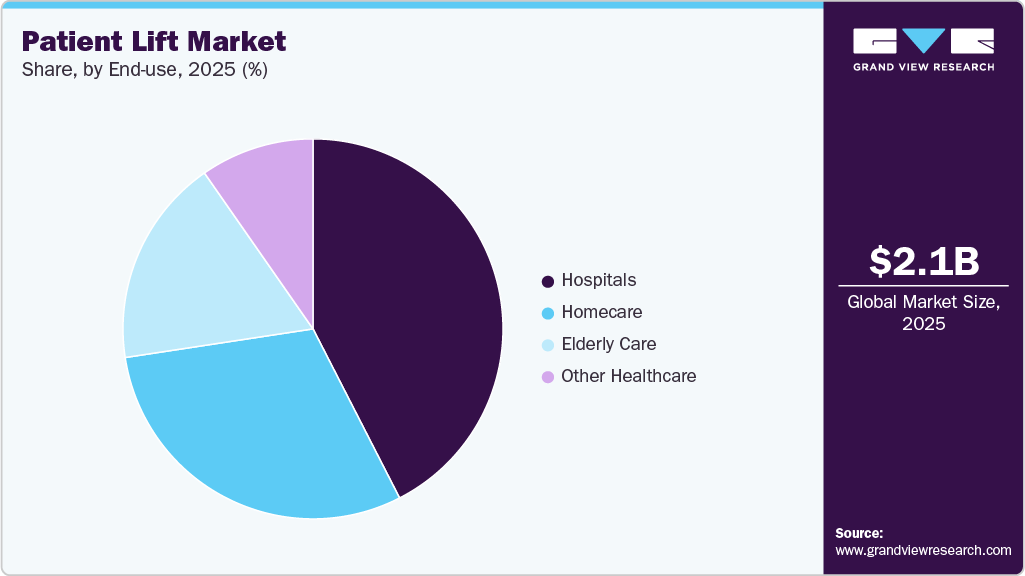
The homecare segment is expected to grow at the fastest CAGR from 2026 to 2033. This growth is driven by the rising preference for home-based healthcare, especially among the aging population and patients with chronic or mobility-limiting conditions. Families are increasingly opting for portable and easy-to-use lift systems that enable safe patient transfers without professional assistance. The availability of compact, electric, and foldable models has made patient lifts more accessible for household use. Moreover, the emphasis on cost-effective care and the emotional comfort of home recovery are further accelerating the adoption of patient lifts in homecare settings.
Regional Insights
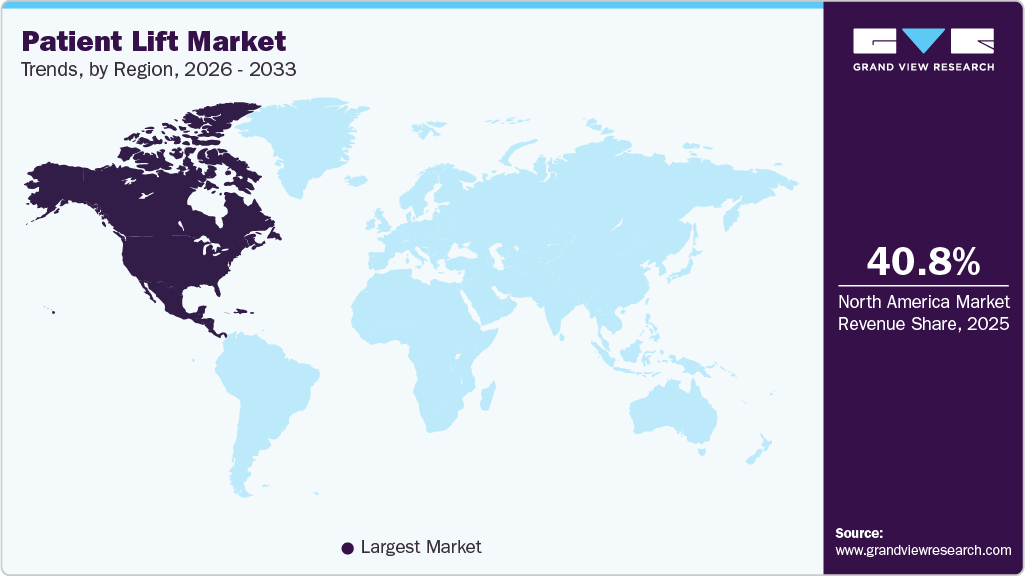
North America dominated the patient lift market with the largest revenue share of 40.79% in 2025, driven by an aging population, increasing prevalence of mobility‐impairing chronic conditions, and heightened awareness of caregiver safety. Regulatory trends and safety mandates in hospitals and long-term care facilities are encouraging adoption of mechanized lifting and transfer systems to reduce manual handling injuries. While the high upfront cost and need for specialized infrastructure pose challenges, innovations in product design, ergonomics, and assistive technologies are expanding use in hospitals, clinics, and increasingly in home care settings.
U.S. Patient Lift Market Trends
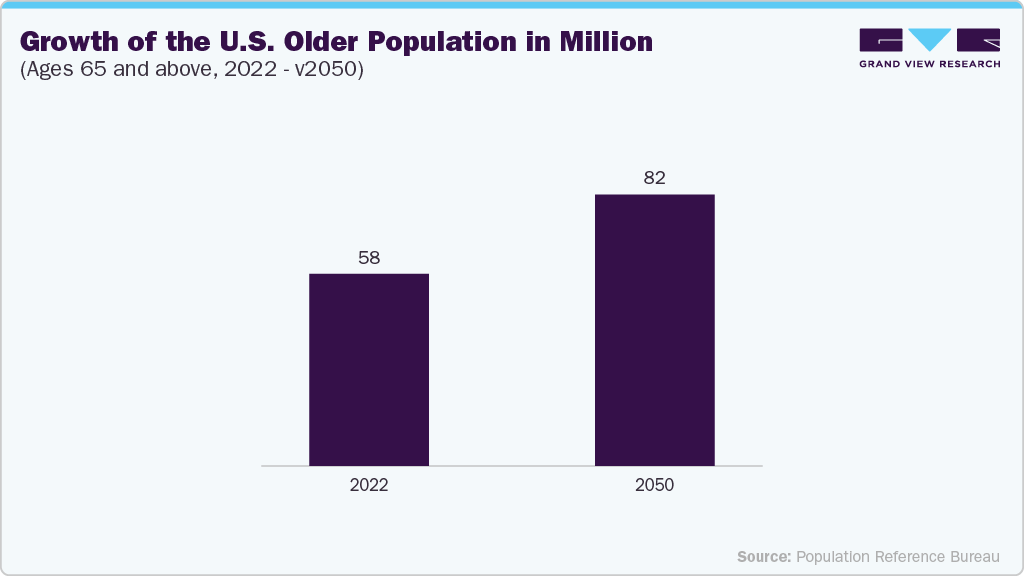
The patient lift market in the U.S. is driven by the rising geriatric population, increasing prevalence of chronic diseases, and a substantial shift toward home-based care. Healthcare providers and families are adopting advanced electric and portable lifts to improve patient safety and reduce caregiver injuries. Growing awareness of safe patient-handling regulations and continuous technological innovation, such as innovative, lightweight, and easy-to-use designs, further shape market trends and expand adoption across hospitals, rehabilitation centers, and home healthcare settings.
Europe Patient Lift Market Trends
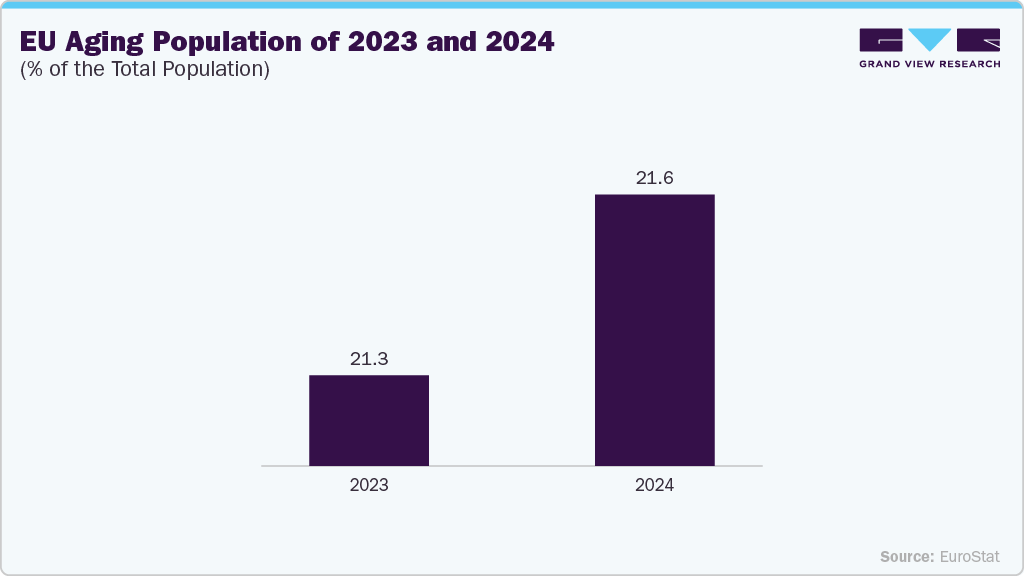
The patient lift market in Europe is experiencing significant growth, driven by a rapidly aging population, increasing demand for long-term and home-based care, and strong government support for safe patient-handling practices. Countries such as Germany, the U.K., and France are leading in adoption due to well-established healthcare systems and an emphasis on caregiver safety. The region also sees growing use of electric and ceiling-mounted lifts, supported by technological advancements and ergonomic designs. Additionally, rising awareness about mobility assistance solutions and expanded investments in rehabilitation infrastructure continue to fuel market expansion across Europe.
The UK patient lift market is growing significantly, driven by the country’s aging population, rising cases of chronic and mobility-related conditions, and a strong focus on patient and caregiver safety. The National Health Service (NHS) and private healthcare providers increasingly adopt electric and portable lifts to reduce manual handling injuries and improve efficiency in hospitals and care homes. The growing trend toward home healthcare and community-based rehabilitation also boosts demand for compact, easy-to-use lift systems. Additionally, government initiatives promoting safe patient-handling standards and investments in assistive technology innovation continue to support market growth in the UK.
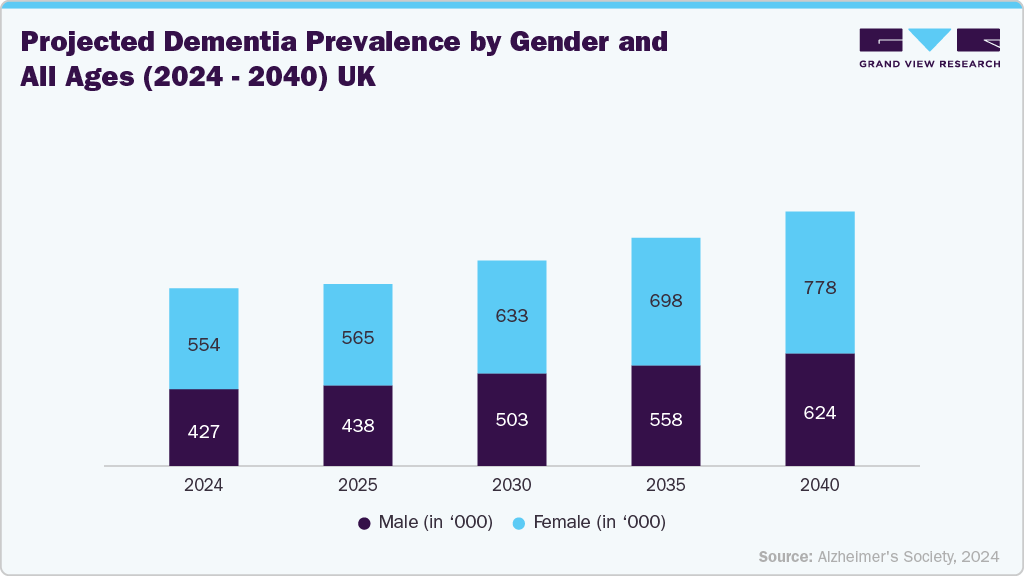
The patient lift market in Germany is expanding due to the country’s rapidly aging population, increasing prevalence of mobility impairments, and strong emphasis on workplace safety for healthcare staff. Hospitals, nursing homes, and rehabilitation centers are adopting advanced electric and ceiling-mounted lifts to enhance patient comfort and minimize caregiver strain. The growing demand for home-based care solutions is also driving the use of portable and easy-to-operate lift systems. Continuous advancements in ergonomic design and automation are shaping the market, reflecting Germany’s focus on innovation, efficiency, and high-quality patient care. According to Eurostat, Germany’s population aged 65 years and older increased from 22.2% in 2023 to 22.4% in 2024, reflecting a gradual rise in the elderly demographic. This growth highlights the country’s aging population trend, which is driving greater demand for patient lifts and mobility assistance devices.
Asia Pacific Patient Lift Market Trends
The patient lift market in Asia-Pacific is witnessing rapid growth due to a rising elderly population, increasing prevalence of chronic and mobility-related disorders, and expanding healthcare infrastructure. Countries like Japan, China, and India are leading the demand for safe patient-handling equipment in hospitals and home care. Growing awareness of caregiver safety and advancements in affordable, portable lift technologies further accelerate adoption. Additionally, government initiatives to improve elderly and rehabilitation care services continue to strengthen regional market growth. According to the Asia-Pacific Report on Population Ageing, in 2022, 670 million people aged 60 years or older reside in Asia and the Pacific, roughly one in every seven people. It is projected that by 2050 that number will have doubled to 1.3 billion, or one in four people.
India patient lift market is expanding rapidly, driven by a growing elderly population, increasing incidence of chronic illnesses, and rising demand for home-based care solutions. Hospitals and rehabilitation centers are adopting electric and mobile lifts to enhance patient safety and reduce caregiver strain. Greater awareness of safe patient-handling practices and improvements in healthcare infrastructure are fueling adoption. The entry of affordable and locally manufactured lift systems makes advanced mobility equipment more accessible nationwide. In India, PD prevalence rates range from 15 to 43 per 100,000 people. Alarmingly, the National Institute of Mental Health and Neurosciences (NIMHANS) indicated in 2022 that nearly 40-45 per cent of Indian PD patients experience early onset of motor symptoms between the ages of 22 and 49, categorizing them as having early-onset Parkinson's disease. This trend indicates that Indians are developing PD nearly a decade earlier than global averages.
The patient lift market in China is growing steadily, supported by a rapidly aging population, rising cases of mobility impairments, and government efforts to improve elderly and long-term care services. Healthcare facilities increasingly adopt electric and ceiling-mounted lifts to enhance patient safety and caregiver efficiency. The expansion of the home healthcare sector and advancements in innovative, user-friendly lift technologies are further driving demand. In addition, domestic manufacturers are focusing on cost-effective and creative designs to meet the needs of both hospitals and home users.
Middle East & Africa Patient Lift Market Trends
The patient lift market in the Middle East and Africa is gradually expanding, supported by a growing elderly population, rising cases of chronic diseases, and increasing investments in healthcare infrastructure across key countries. In the Middle East, nations like Saudi Arabia, the United Arab Emirates, and Qatar are leading adoption due to rapid healthcare modernization and the expansion of long-term care facilities. In Africa, countries like South Africa, Egypt, and Kenya are witnessing growing demand for portable and electric patient lifts as awareness of safe patient-handling practices improves. The region’s focus on enhancing patient safety, rehabilitation services, and home healthcare accessibility further drives market growth. At the same time, the presence of international medical equipment suppliers fosters technology transfer and product innovation.
Key Patient Lift Company Insights
The industry players are undertaking several strategic initiatives such as acquisitions, partnerships and collaborations. Moreover, the launch of novel products is anticipated to boost the competitive rivalry in the patient lift market.
Key Patient Lift Companies:
The following key companies have been profiled for this study on the patient lift market.
- Sunrise Medical (Platinum Equity)
- Arjo
- GF Health Products, Inc.
- Medline
- Drive DeVilbiss International
- Rhythm Healthcare, LLC
- Handi-Move International
- Bestcare Medical Co., Ltd
- Hillrom (Baxter)
- Vermeiren Group
- Joerns Healthcare
- Guldmann A/S
- Invacare Corporation
Recent Development
-
In April 2025, Arjo launched the Maxi Move 5, an advanced mobile patient floor lift designed to reduce caregiver injuries and improve care efficiency. The lift features Arjo Motion Assist for effortless maneuvering and a Powered Dynamic Positioning System (PDPS) for precise patient transfers. Clinical testing showed up to a 68% reduction in caregiver force, reinforcing its role as a next-generation solution for safer and more efficient patient handling.
-
In May 2022, Invacare Corporation introduced the Birdie Evo XPLUS in the U.S., a next-generation patient lift designed for post-acute care environments. The lift features a sleek, modern design and advanced technology that enhances patient comfort and safety during transfers between beds, chairs, or floors, reflecting Invacare’s commitment to improving efficiency and care quality in patient mobility solutions.
-
In September 2021, Baxter International Inc. announced a definitive agreement to acquire Hillrom for USD 156 per share in cash, representing a total equity value of about USD 10.5 billion and an enterprise value of approximately USD 12.4 billion, including debt. This acquisition aimed to expand Baxter’s presence in connected care, digital health, and medical technology, strengthening its global position in patient monitoring and hospital equipment solutions.
Patient Lift Market Report Scope
Report Attribute
Details
Market size value in 2026
USD 2.19 billion
Revenue forecast in 2033
USD 2.64 billion
Growth rate
CAGR of 4.31% from 2026 to 2033
Actual data
2021 - 2025
Forecast period
2026 - 2033
Quantitative units
Revenue in USD million/billion and CAGR from 2026 to 2033
Segments covered
Product, type, end-use, region
Report coverage
Revenue, competitive landscape, growth factors, and trends
Regional scope
North America; Europe; Asia Pacific; Latin America; MEA
Country scope
U.S.; Canada; Mexico; UK; Germany; France; Italy; Spain; Denmark; Sweden; Norway; Japan; China; India; Australia; South Korea; Thailand; Brazil; Argentina; South Africa; Saudi Arabia; UAE; Kuwait
Key companies profiled
Sunrise Medical (Platinum Equity); Arjo; GF Health Products, Inc.; Medline; Drive DeVilbiss International; Rhythm Healthcare, LLC; Handi-Move International; Bestcare Medical Co., Ltd; Hillrom (Baxter); Vermeiren Group; Joerns Healthcare; Guldmann A/S; Invacare Corporation
Customization scope
Free report customization (equivalent to 8 analysts working days) with purchase. Addition or alteration to country, regional & segment scope
Pricing and purchase options
Avail customized purchase options to meet your exact research needs. Explore purchase options
Global Patient Lift Market Report Segmentation
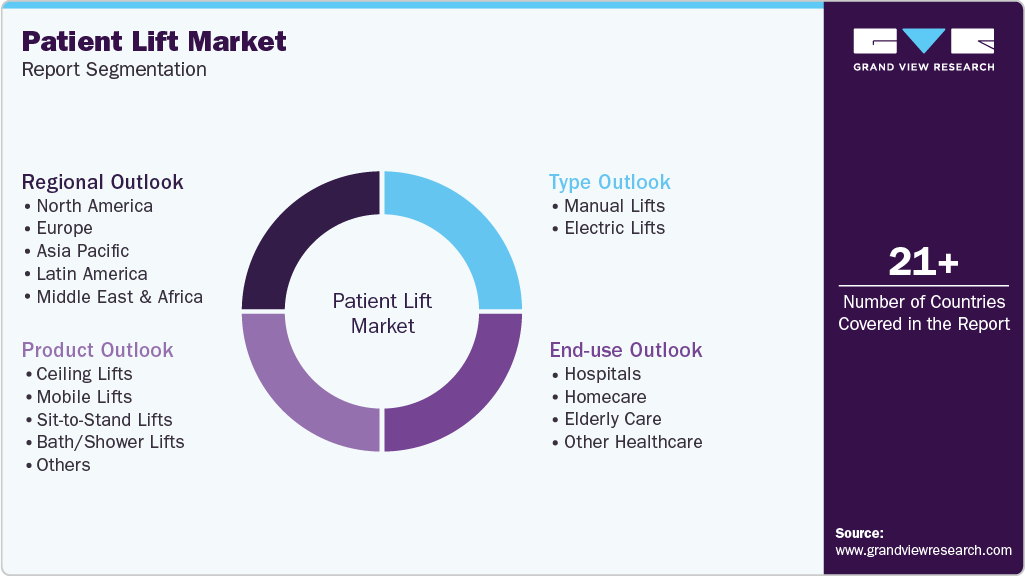
This report forecasts revenue growth at the global, regional, and country levels and provides an analysis of the latest industry trends in each of the sub-segments from 2021 to 2033. For this study, Grand View Research has segmented the global patient lift market report on the basis of product, type, end-use, and region:
-
Product Outlook (Revenue, USD Million, 2021 - 2033)
-
Ceiling Lifts
-
Mobile Lifts
-
Sit-to-Stand Lifts
-
Bath/Shower Lifts
-
Others
-
-
Type Outlook (Revenue, USD Million, 2021 - 2033)
-
Manual Lifts
-
Electric Lifts
-
-
End-use Outlook (Revenue, USD Million, 2021 - 2033)
-
Hospitals
-
Homecare
-
Elderly Care
-
Other Healthcare
-
-
Regional Outlook (Revenue, USD Million, 2021 - 2033)
-
North America
-
U.S.
-
Canada
-
Mexico
-
-
Europe
-
Germany
-
UK
-
France
-
Italy
-
Spain
-
Norway
-
Denmark
-
Sweden
-
-
Asia Pacific
-
Japan
-
China
-
India
-
Australia
-
South Korea
-
Thailand
-
-
Latin America
-
Brazil
-
Argentina
-
-
Middle East and Africa (MEA)
-
South Africa
-
Saudi Arabia
-
UAE
-
Kuwait
-
-
Frequently Asked Questions About This Report
b. The global patient lift market is expected to grow at a compound annual growth rate of 4.31% from 2026 to 2033 to reach USD 2.94 billion by 2033.
b. North America dominated the patient lift market with the largest revenue share of 40.79% in 2025.
b. Some key players operating in the patient lift market include Sunrise Medical (Platinum Equity), Arjo, GF Health Products, Inc., Medline, Drive DeVilbiss International, Rhythm Healthcare, LLC, Handi-Move International, Bestcare Medical Co., Ltd., Hillrom (Baxter), Vermeiren Group, Joerns Healthcare, Guldmann A/S, Invacare Corporation, and others.
b. Key factors driving the patient lift market include the rapidly aging global population, which increases the number of patients with limited mobility requiring assisted movement in hospitals, long-term care, and home settings. In addition, the rising prevalence of chronic diseases such as stroke, arthritis, spinal injuries, and neurological disorders is increasing demand for lifting and transfer devices.
b. The global patient lift market size was estimated at USD 2.10 billion in 2025 and is expected to be USD 2.19 billion in 2026.


Share this report with your colleague or friend.
Need a Tailored Report?
Customize this report to your needs — add regions, segments, or data points, with 20% free customization.


ISO 9001:2015 & 27001:2022 Certified
We are GDPR and CCPA compliant! Your transaction & personal information is safe and secure. For more details, please read our privacy policy.
Trusted market insights - try a free sample
See how our reports are structured and why industry leaders rely on Grand View Research. Get a free sample or ask us to tailor this report to your needs.












